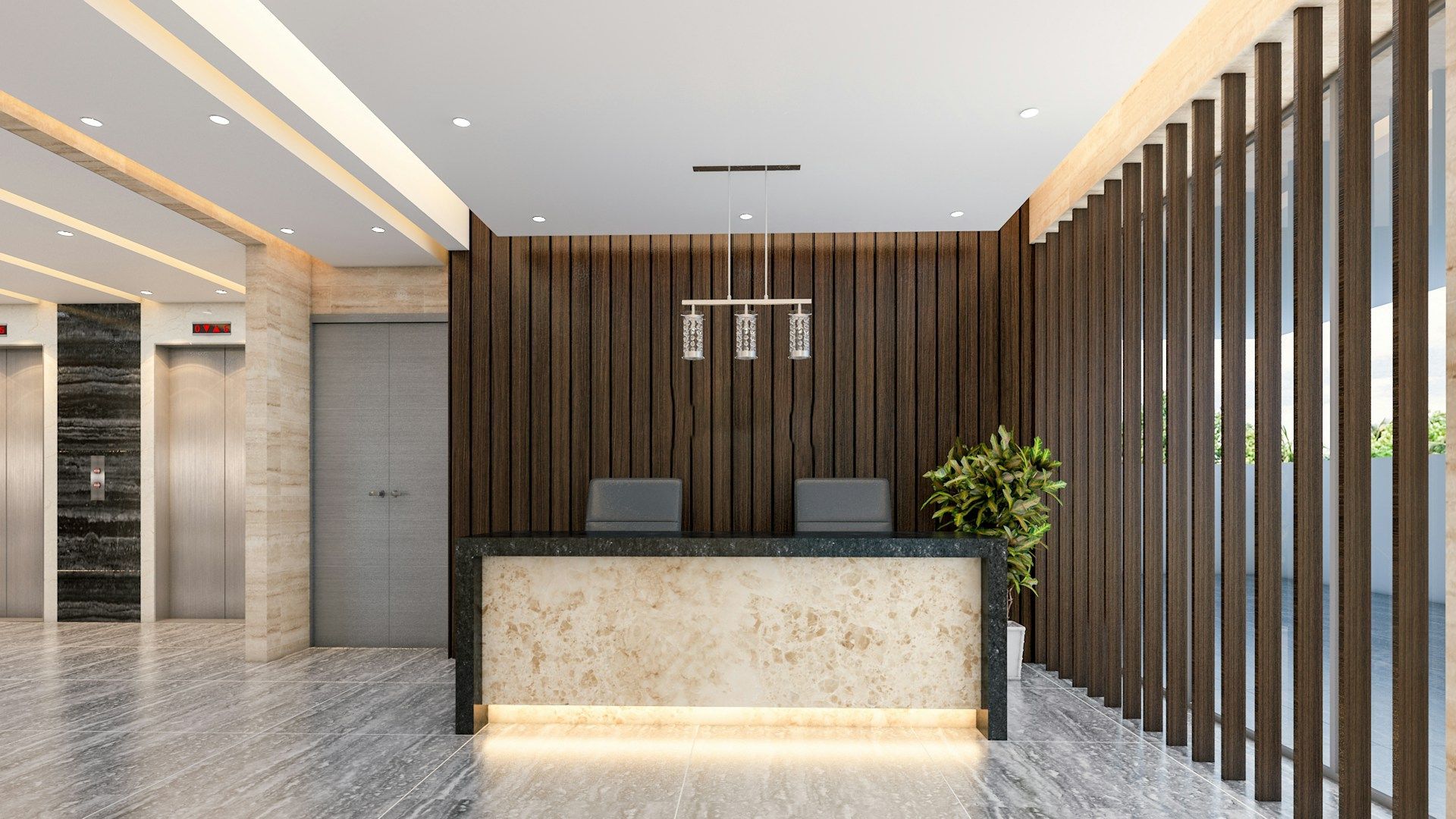
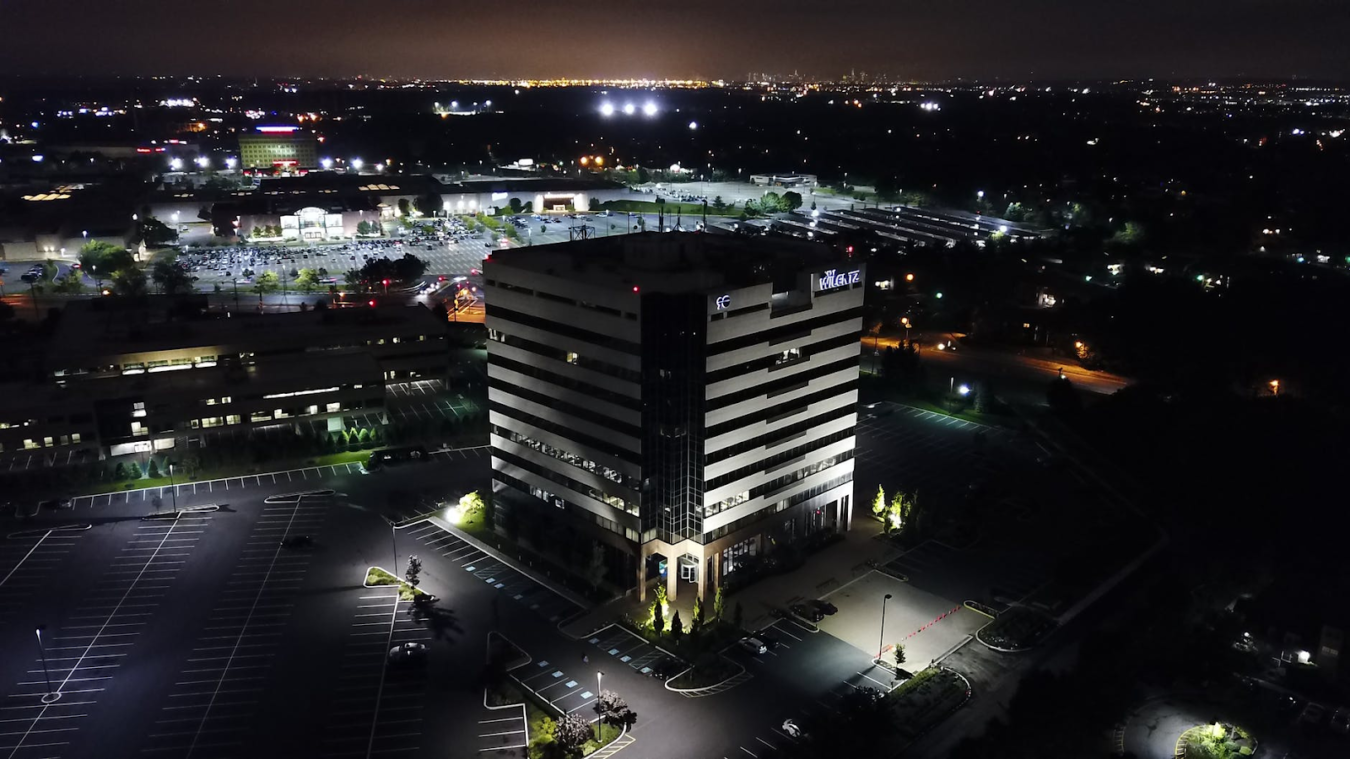
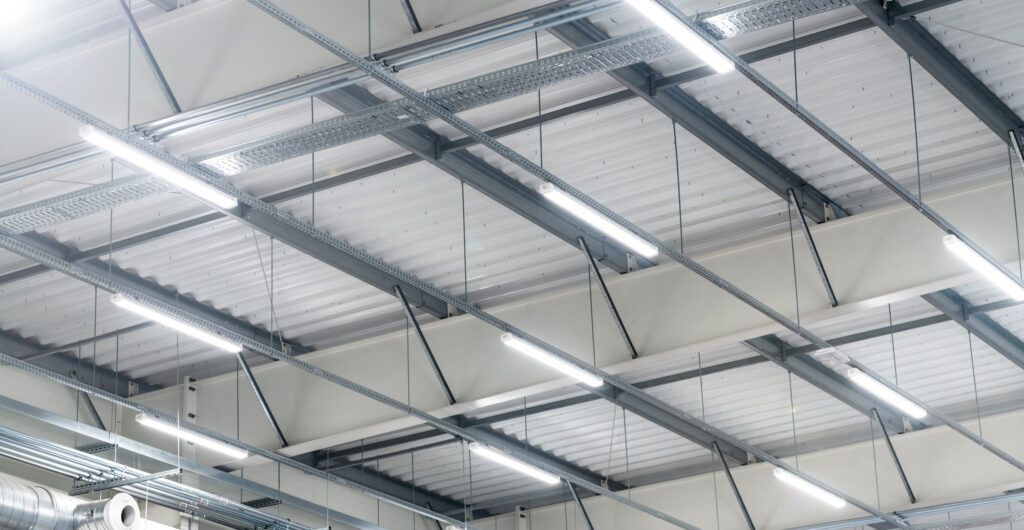
Lighting is an essential component of any commercial property.
A well-designed lighting system is indispensable for illuminating workspaces and enhancing security.
However, neglecting lighting safety can lead to severe consequences, including electrical fires, injuries, and costly property damage.
This guide will help property owners understand the importance of lighting safety and how to prevent common hazards.
Electrical Fires
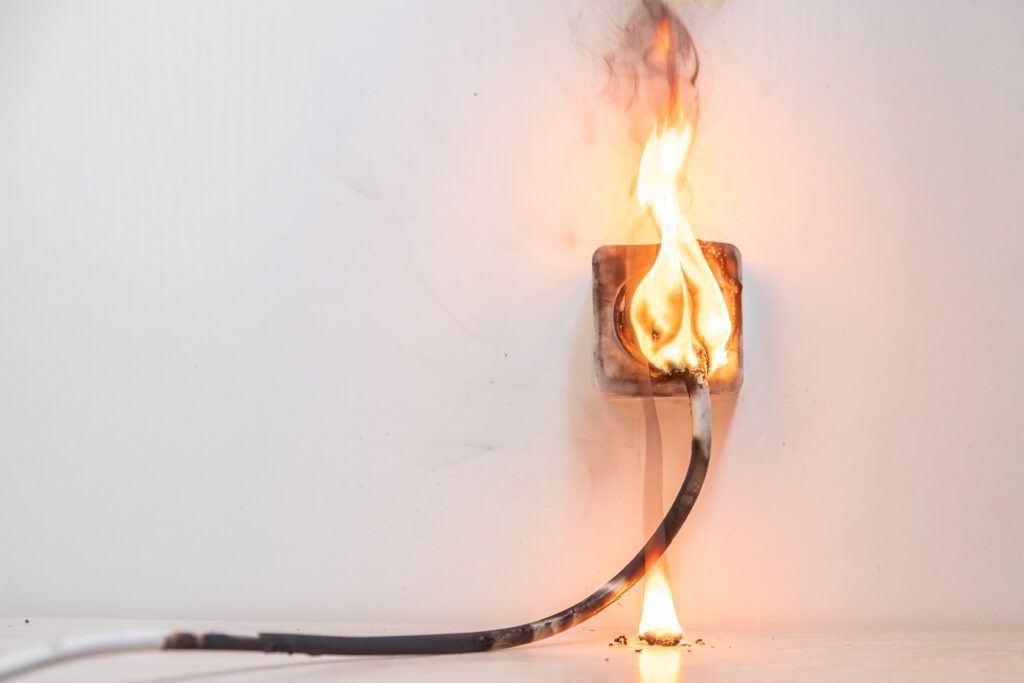
One of the most significant risks associated with commercial lighting is electrical fires. Faulty wiring, outdated fixtures, and improper installations are frequent culprits.
Non-certified lighting products can exacerbate these risks, as they may not meet safety standards. Property owners should prioritize high-quality, certified lighting products and ensure licensed professionals perform installations.
Overheating and Heat Buildup
Improper placement of light fixtures or using the wrong bulbs can lead to overheating.
Heat buildup, especially in enclosed or poorly ventilated areas, can damage fixtures and increase fire risk.
Ensuring fixtures are installed in well-ventilated locations and using energy-efficient options like LEDs can mitigate this hazard.
Electrical Shocks and Injuries
Inadequate grounding, exposed wiring, or DIY installations can result in electrical shocks and injuries.
Commercial lighting systems often involve high voltages, making safety precautions even more critical. Partnering with a professional lighting installer minimizes these risks and ensures systems comply with local safety codes.
Choosing the Right Fixtures
Energy efficiency and safety should go hand in hand when selecting lighting fixtures.
LED lights, for example, produce less heat and consume less energy, making them safer and more cost-effective options.
Always look for certification labels such as UL Listed or ETL Listed to ensure that products meet safety standards.
Avoiding Overloaded Circuits
Overloading electrical circuits with too many devices is a common cause of malfunctions and fires. Proper electrical planning is essential when upgrading or installing new lighting systems.
Circuit protection devices, like circuit breakers and surge protectors, can further enhance safety.
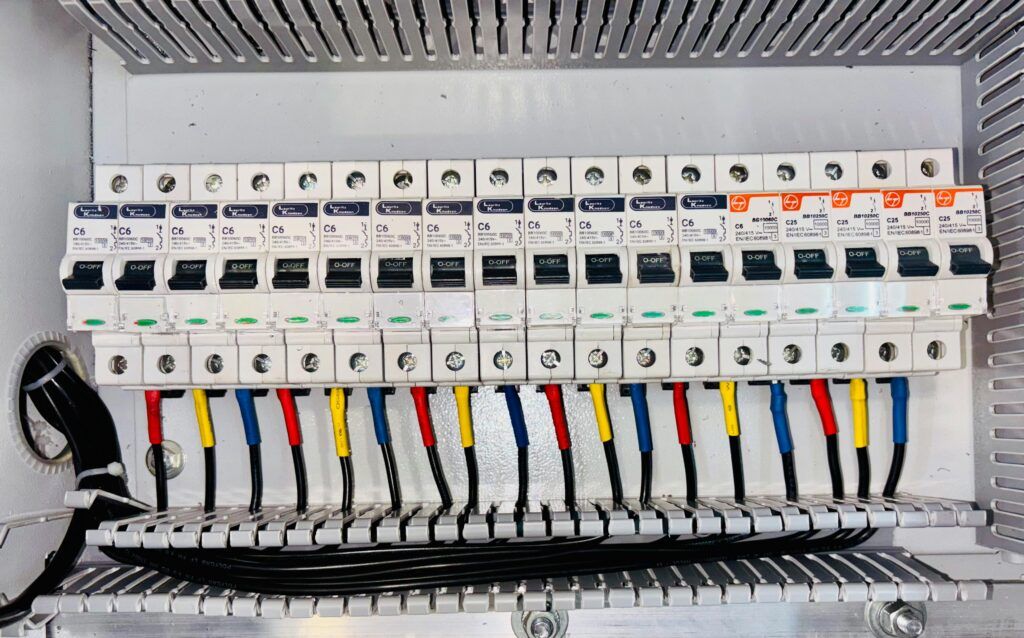
Hiring a Licensed Electrician or Lighting Professional
Professional installation is a cornerstone of lighting safety.
Licensed electricians have the expertise to ensure the proper lighting installation and follow all local regulations.
While cost-saving in the short term, DIY installations can lead to expensive and dangerous outcomes if mistakes happen.
Routine Inspections and Maintenance
Like any other building system, lighting requires regular maintenance to remain safe and functional.
Inspections should focus on identifying faulty wiring, overheating fixtures, and signs of wear and tear.
Promptly addressing these issues can prevent minor problems from escalating into significant safety hazards.
Reducing Energy Use and Risks with Controls
Lighting control systems not only enhance energy efficiency but also reduce safety risks.
Automated controls, such as motion sensors and timers, prevent lights from being left on unnecessarily, reducing the risk of overheating and energy waste.
Remote Monitoring and Alerts
Modern lighting control systems offer advanced features like remote monitoring and alerts. These systems can detect anomalies, such as heat surges or electrical faults, and notify property owners immediately.
Quick response to such alerts can prevent accidents and minimize damage.

Emergency Lighting and Exit Signs
Emergency lighting and illuminated exit signs are critical for safe evacuation during emergencies.
Regular testing and maintenance are vital to ensure these systems correctly function when needed.
You should also test backup power sources periodically, such as batteries or generators, to guarantee reliability.
Taking Advantage of Lighting Rebates
Upgrading to energy-efficient lighting not only improves safety but can also qualify property owners for rebates and incentives.
Many utility companies offer programs that offset the cost of energy-efficient upgrades, making it easier to invest in safer, more sustainable lighting systems.
Reducing Risks Through Upgrades
Modern lighting technologies, such as LEDs and advanced controls, offer significant safety benefits. They reduce heat output, lower energy consumption, and provide longer lifespans, minimizing the need for frequent maintenance and replacement.
Connect With Starbeam Lighting Solutions
Lighting safety is critical to maintaining a secure and functional commercial property. Don’t wait for an accident to happen — be proactive and take maintenance seriously.
Here at Starbeam Lighting Solutions, we are dedicated to helping commercial property owners optimize their lighting solutions. Through lighting audits and tailored recommendations, Starbeam can assist you in achieving the perfect lighting setup for your property.
Invest in the right lighting solutions today and experience the positive impact they can have on your business. Contact us today!
The post A Guide to Commercial Lighting Safety for Property Owners appeared first on Starbeam Lighting.