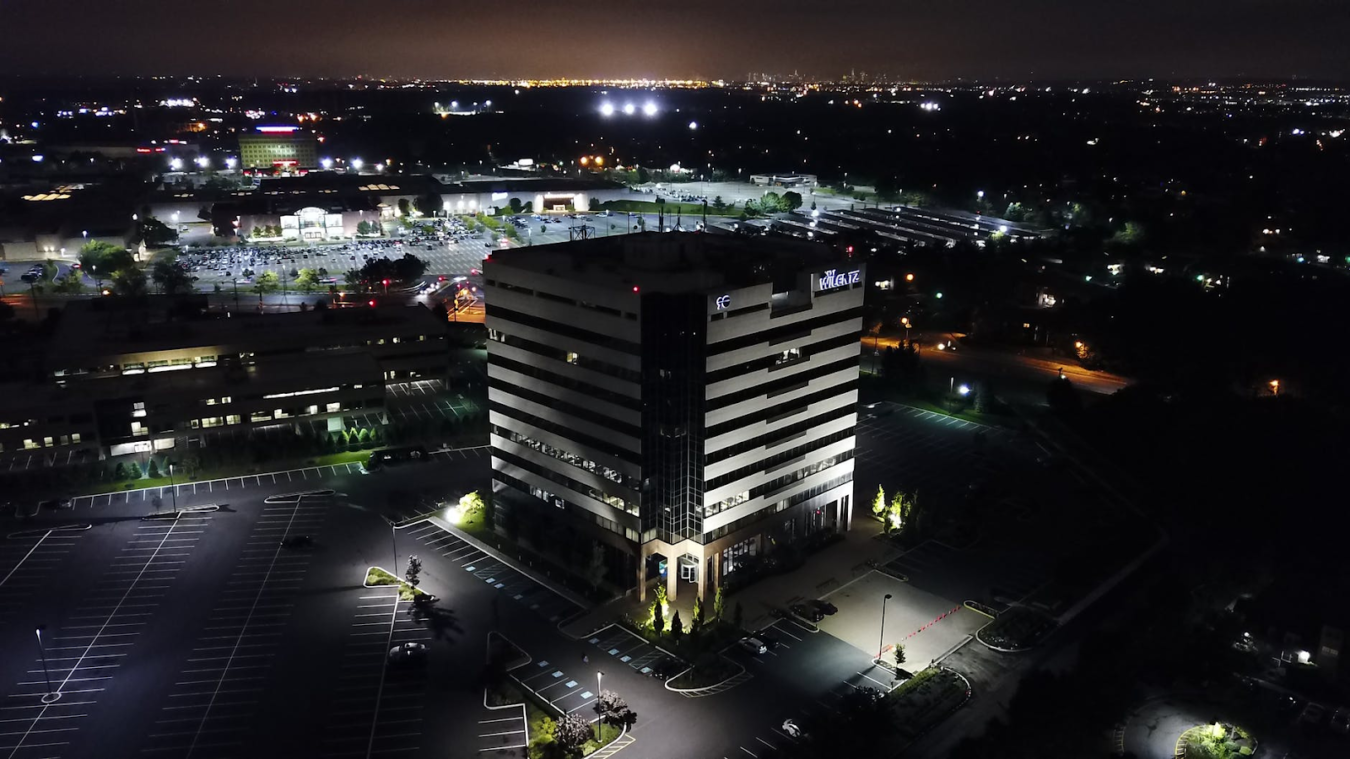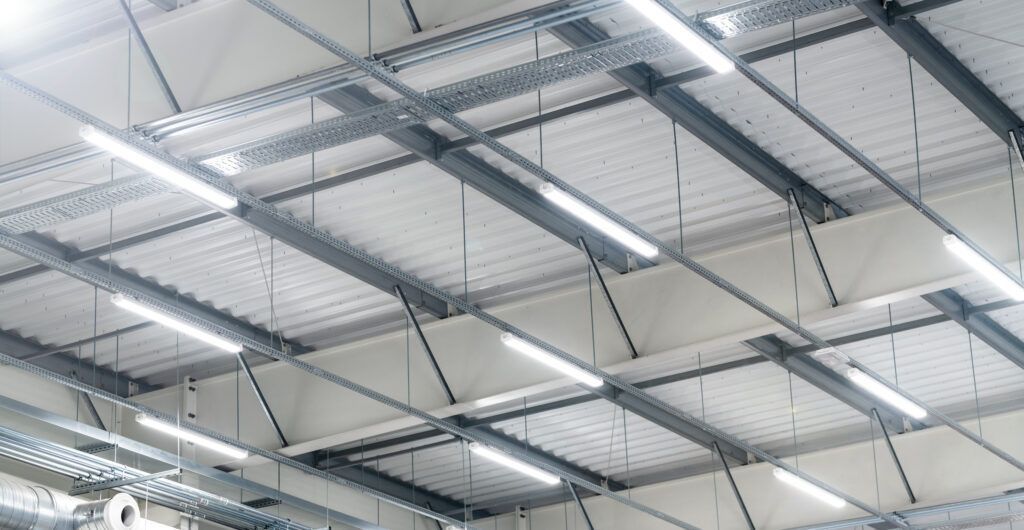
The entrance to a commercial building needs a lot of work. It welcomes employees, customers, clients, vendors, and other visitors, helping them transition from outside the building to the spaces inside.
Lighting plays an important role in making that transition successful.
A thoughtfully lit entrance can make doors, walking areas, reception desks, signage, and other important features easier to identify. It can also contribute to a greater sense of safety and security, particularly in the early morning, evening, or other periods when natural light is limited.
At the same time, entrances and lobbies often provide the first introduction to a commercial interior. Effective lighting should support safety and navigation while also complementing the character of the space.
Start With How People Move Through the Space
Good entrance lighting begins with understanding how people actually use the area.
Consider the path someone takes from the exterior of the building through the entrance and into the lobby. Along the way, there may be sidewalks, steps, doors, vestibules, reception desks, waiting areas, elevators, corridors, or stairs.
Lighting should help people recognize these different areas and comfortably navigate from one point to the next.
Instead of evaluating individual fixtures in isolation, consider the entire experience. Where do people pause? Where do they change direction? Which features need to be easy to identify?
Looking at these areas together can create a more cohesive approach to entrance lighting.
Well-Lit Entrances Support Safety and Security
Safety is another important consideration, especially at commercial entryways that may be used outside normal daylight hours.
Adequate lighting can make walking surfaces, steps, doorways, curbs, and other features easier to see. It can also reduce dark areas around an entrance and improve general visibility as people approach or leave the building.
There is a comfort component as well. A bright, clearly visible entrance can help employees, customers, and visitors feel more secure when arriving or leaving after dark.
This becomes particularly important during times of year when employees may arrive before sunrise or leave after sunset. Evaluating both the exterior approach and the interior entrance can help create a more consistent experience throughout the property.
Consider the Transition Between Outdoors and Indoors
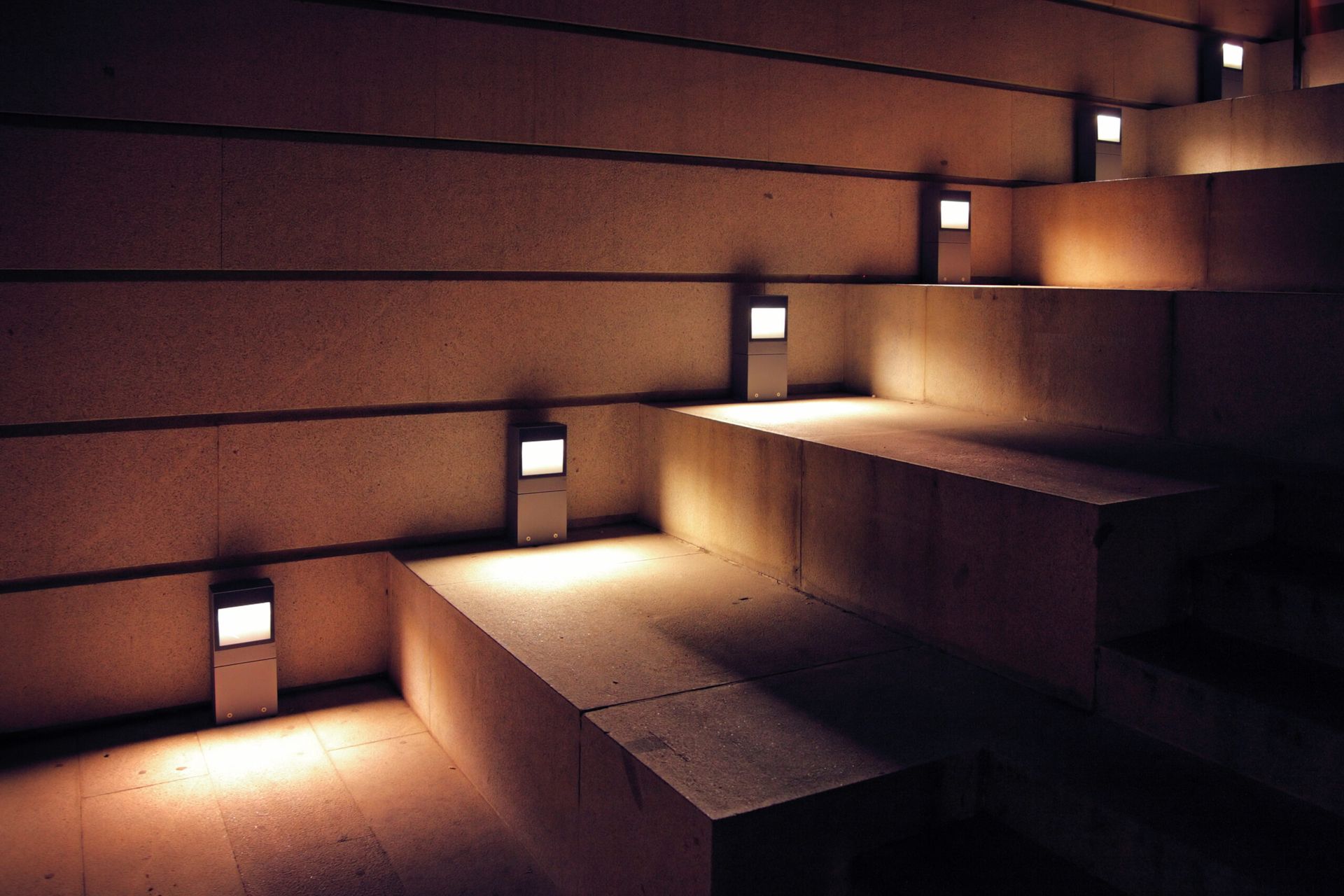
Commercial entrances experience dramatically different lighting conditions depending on the time of day.
During daylight hours, large windows and glass doors may introduce significant natural light into a lobby. After sunset, artificial lighting takes on a much greater role.
That makes it important to consider how the space performs under different conditions.
The relationship between exterior and interior lighting also deserves attention. Moving immediately between very different light levels can make the transition less visually comfortable.
Evaluating the entrance at multiple times of day can provide a better understanding of how the complete lighting environment performs.
Give Reception & Wayfinding Areas the Attention They Need
For someone entering an unfamiliar commercial building, one of the first questions is usually simple: Where do I go?
Lighting can help visitors quickly identify important destinations such as reception desks, directories, elevators, hallways, waiting areas, and signage.
That does not mean every part of a lobby needs identical illumination. Thoughtful lighting can help visually distinguish important areas while creating a natural progression through the space.
The goal is to support the way people navigate the building without making the lighting itself distracting.
Use Lighting to Support the Character of the Space
Entrances and lobbies frequently include architectural and design features intended to represent the property or organization.
Materials, finishes, signage, artwork, furniture, and architectural details all contribute to the overall appearance. Lighting can help those features read clearly and work together.
This is where functional lighting and visual design need to complement one another. An entrance should provide the necessary illumination for everyday use without overlooking the lobby's role in introducing visitors to the facility.
More Light Is Not Always the Answer
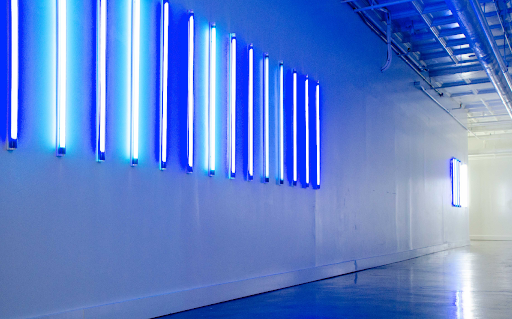
A better-lit entrance does not necessarily mean adding as much light as possible.
Glare, excessive brightness, uneven illumination, and strong contrasts between neighboring areas can all affect the experience of a space. Reflective flooring, glass, polished surfaces, and other materials may also influence how light behaves throughout a lobby.
Fixture placement and light distribution can therefore matter just as much as quantity.
Rather than simply asking whether an entrance is bright enough, property and facility managers should consider whether the lighting is comfortable, consistent, and appropriate for the way the area is used.
Look at the Entrance as One Complete Environment
Commercial entrances integrate exterior and interior lighting, daylight, navigation, architecture, safety, and appearance. Treating each element separately can make it easier to miss how they interact.
Viewing the entire entrance as a single connected environment can help create lighting that supports the many ways people experience the space.
If you are evaluating the lighting in an entrance, lobby, reception area, or other commercial environment, our team at Starbeam Lighting can help develop a solution designed around your facility, operational needs, and the people who use the space.
Contact us today!