Many facilities assume their lighting is performing well as long as the lights turn on and employees can see their surroundings. While basic visibility is important, effective commercial lighting is about much more than simply illuminating a space.
The design of a lighting system can affect productivity, safety, employee comfort, energy consumption, and the overall functionality of a facility. In some cases, organizations may continue to replace lamps or add fixtures without realizing that the underlying issue lies in the lighting design itself.
Recognizing the signs of a lighting design problem can help facility managers identify opportunities for improvement and create environments that better support day-to-day operations.
Employees Frequently Complain About Visibility
One of the most obvious warning signs of a lighting design issue is recurring employee feedback about visibility.
Workers may mention difficulty reading labels, seeing fine details, or performing tasks accurately. Others may find themselves moving to different locations or adjusting their work positions to compensate for inadequate lighting conditions.
When these complaints become common, the problem is not always that the facility lacks sufficient lighting. In many cases, the issue stems from how light is distributed throughout the space. Bright areas combined with dim work zones can create inconsistent visibility, making tasks more difficult than they should be.
A successful lighting design ensures that the right amount of light is delivered where work is actually being performed.
Glare Is Creating Discomfort
Many people associate lighting problems with spaces that are too dark. However, excessive brightness can be just as disruptive.
Glare occurs when light reflects off surfaces or shines directly into a person's field of vision. It can lead to eye strain, headaches, fatigue, and reduced comfort throughout the workday.
Common signs of glare include:
- Employees squinting while performing tasks
- Reflections on computer monitors
- Bright hotspots in work areas
- Frequent adjustments to workstation positions
- Complaints about eye fatigue
Simply adding more fixtures is rarely the solution. Effective lighting design involves balancing illumination levels while minimizing unwanted glare that interferes with occupant comfort.

Some Areas Feel Bright While Others Feel Dark
Uneven lighting is another common indicator of a design problem.
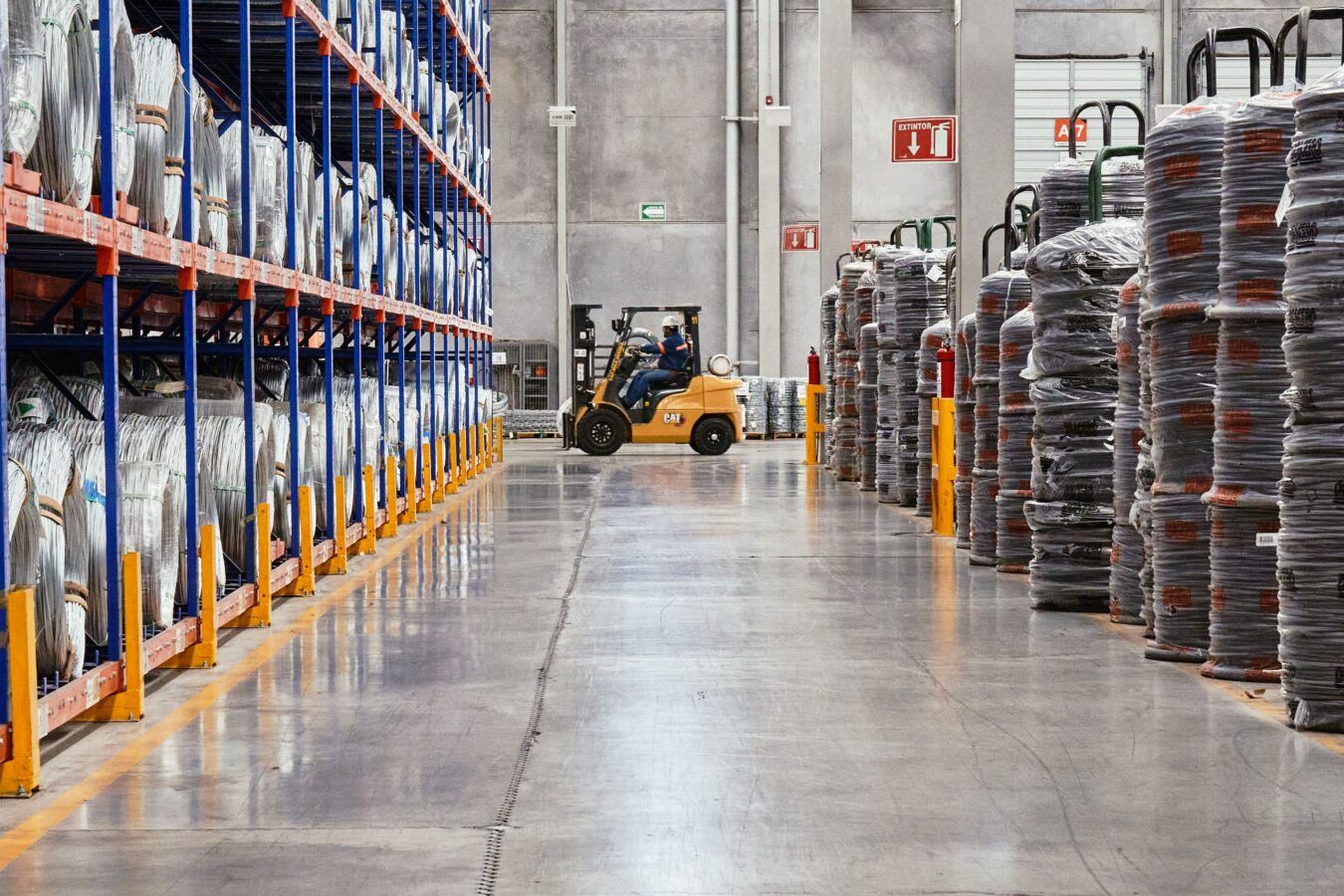
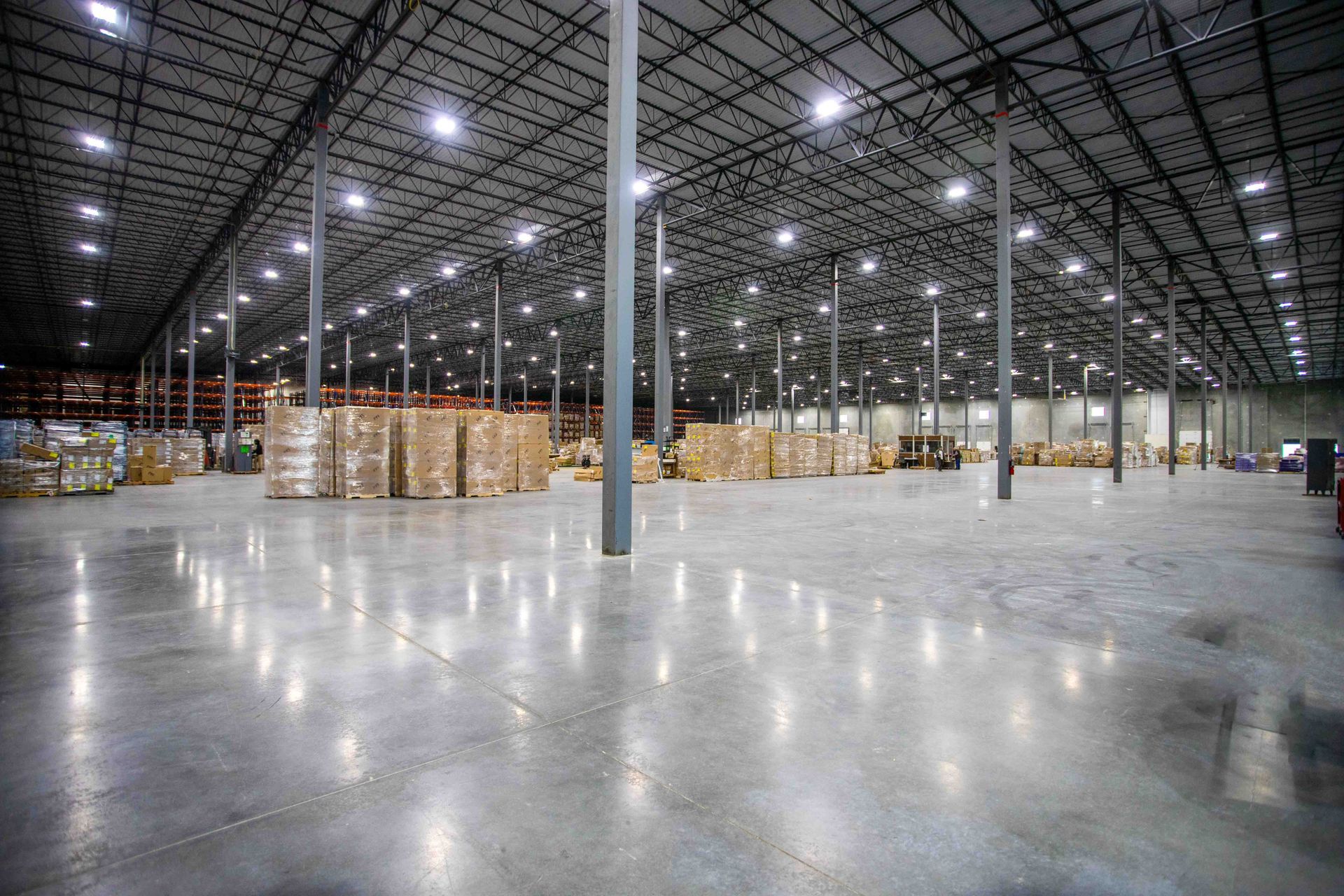
Many facilities have spaces where employees move from brightly lit areas into noticeably darker sections of the building. Warehouses may have dark aisles, offices may contain shadowed workstations, and industrial facilities may have poorly lit corners or equipment areas.
This inconsistency can affect both productivity and safety. Employees often struggle to adapt to changing lighting levels, and important details may be harder to see in underlit spaces.
A well-designed lighting system provides more uniform illumination while still meeting the specific needs of different work areas. Rather than treating every space the same, effective designs account for how each part of the facility is actually used.
Energy Costs Seem Higher Than Expected
When organizations evaluate lighting performance, they often focus on fixture condition and lamp technology. However, lighting design can also significantly impact energy consumption.
Some facilities operate with more fixtures than necessary. Others continue using layouts that no longer reflect how the building functions today. In some cases, lights remain active in areas that receive little traffic or occupancy.
As facilities evolve over time, an older lighting design may become less efficient and less effective. The result is increased energy consumption without corresponding operational benefits.
If lighting expenses seem disproportionately high, it may be worth examining whether the current design is supporting the facility's needs as efficiently as possible.
The Space Has Changed, but the Lighting Hasn't
Commercial facilities rarely remain unchanged over their lifespan.
Office layouts are reconfigured. Warehouse racking systems are expanded. Production equipment is relocated. Departments grow, shrink, or move. New technologies change how work is performed.
Unfortunately, lighting systems do not always evolve alongside these changes.
A lighting design that worked perfectly ten years ago may no longer meet the demands of the current facility layout. Areas that now support critical tasks may lack adequate illumination, while other sections receive more light than necessary.
Whenever a facility undergoes significant operational changes, it is worth evaluating whether the lighting system still aligns with how the space is being used today.
Safety Concerns Continue to Surface
Lighting plays an important role in workplace safety, but its impact is often overlooked.
Poor visibility can contribute to near-miss incidents, make hazards more difficult to identify, and create challenges in areas where employees move frequently or operate equipment. Stairs, loading docks, storage areas, corridors, and workstations all rely on appropriate illumination to support safe operations.
If safety concerns repeatedly emerge in specific locations, lighting should be part of the conversation. While it may not be the sole cause of an issue, inadequate lighting design can contribute to conditions that increase risk.
Evaluating lighting as part of broader safety initiatives can help organizations identify opportunities for improvement before small concerns become larger problems.
Looking Beyond Burned-Out Fixtures
Not all lighting problems are caused by aging fixtures or burned-out bulbs. In many facilities, the lights are functioning exactly as designed, but the design itself no longer supports the needs of the space.
Recurring visibility complaints, glare issues, uneven illumination, excessive energy costs, changing facility layouts, and ongoing safety concerns can all indicate a lighting design problem that warrants attention.
Taking a closer look at how lighting is performing throughout your facility can help uncover opportunities to improve efficiency, comfort, productivity, and safety.
If you’re evaluating your current lighting system, our team at Starbeam Lighting can help assess your facility and identify solutions that better align with your building’s needs and occupants. Contact us today!