Grace Lofts: A Story of Success
April 30, 2018

McGowan Brothers Development (MBD) is a real estate company that began as a family-owned business in the spring of 1997. MBD has refurbished nearly a dozen turn-of-the-century warehouse buildings in downtown St. Louis.


Their main focus is on acquiring, rehabilitating, managing, and leasing the individual units. They also manage residential and commercial buildings, as well as several restaurants.


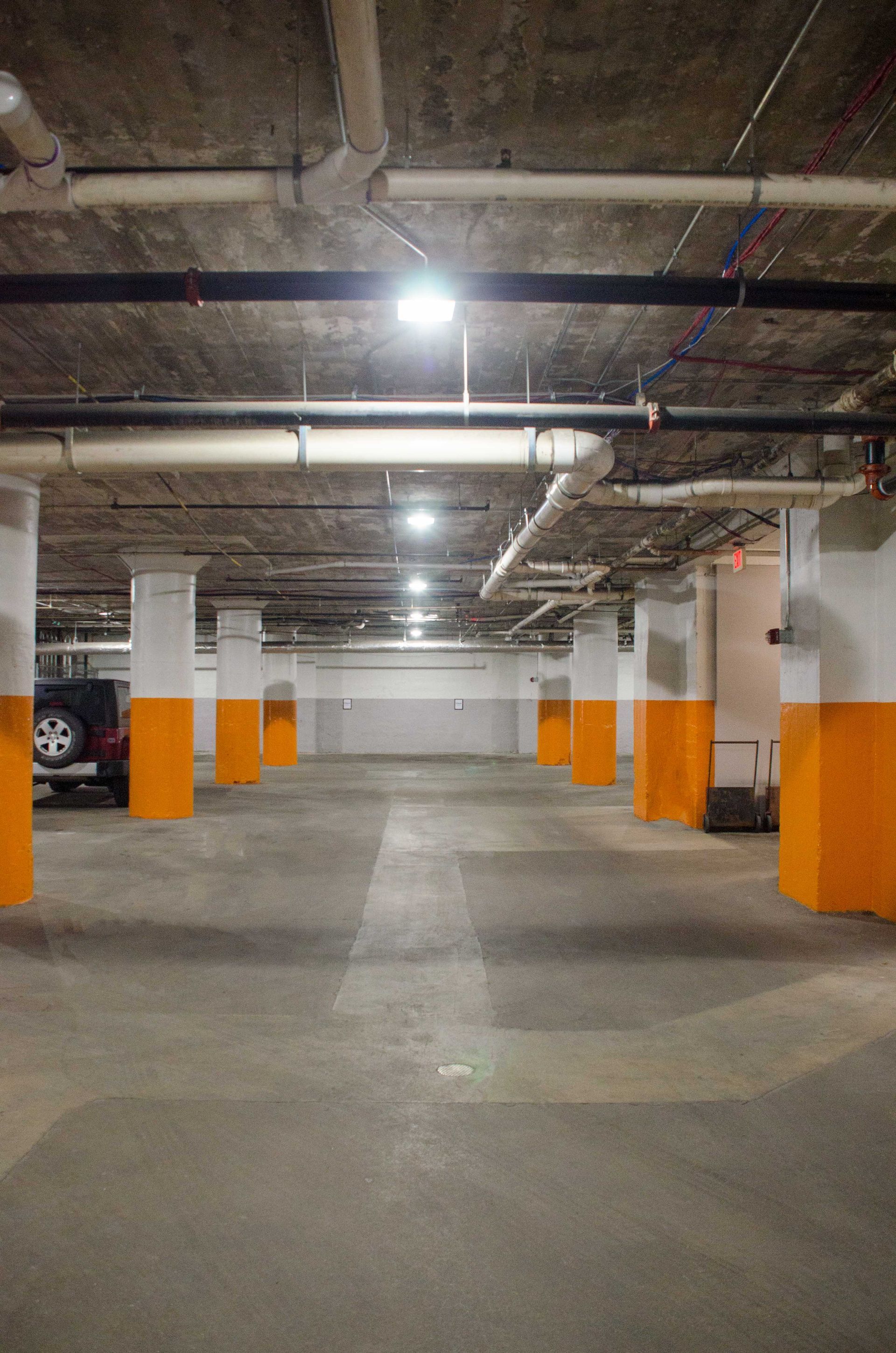
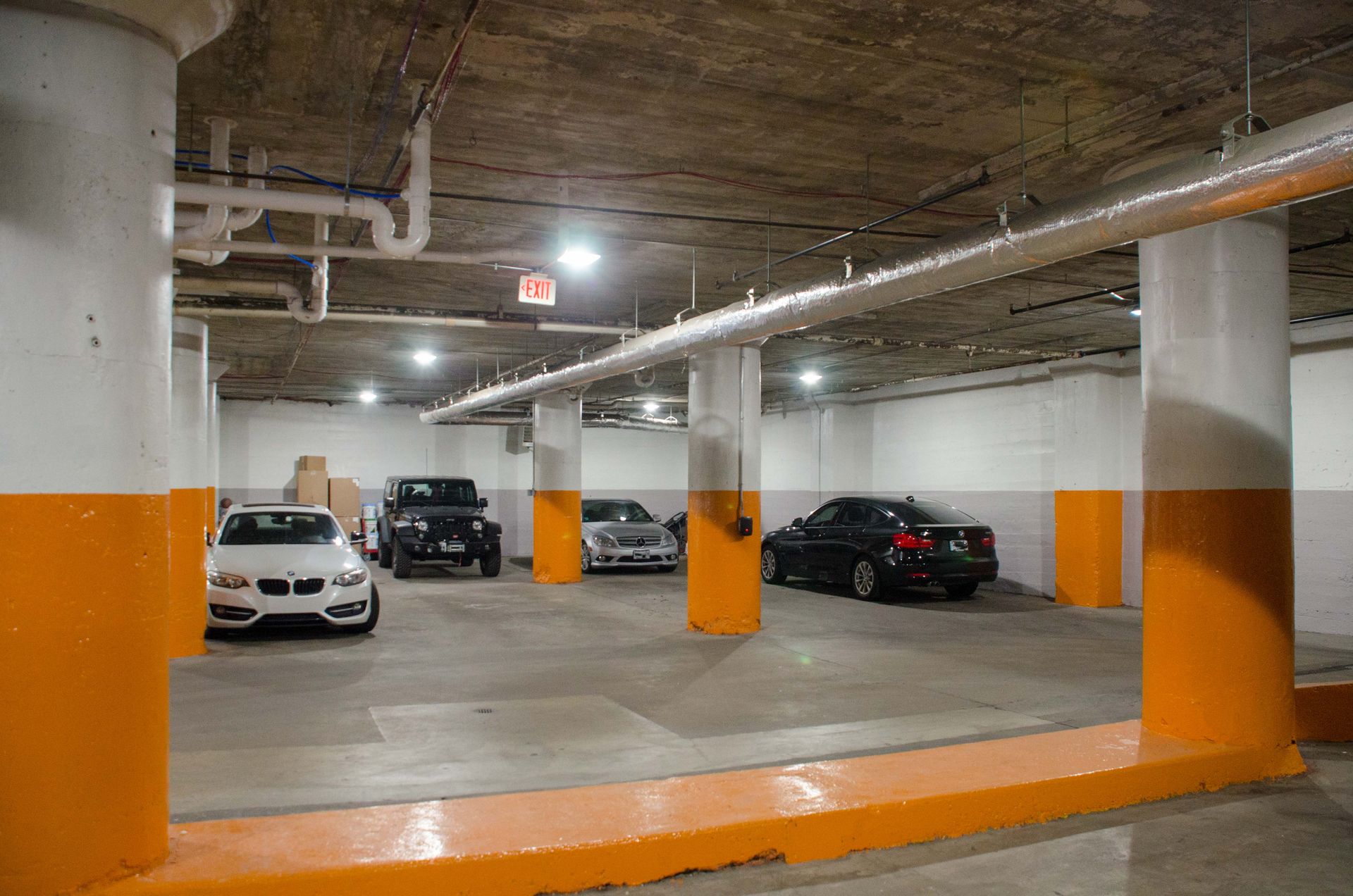
As part of the upkeep on the many properties they manage, McGowan Brothers is responsible for maintaining safe and appropriate lighting in their parking garages. At Grace Lofts, the lighting consisted of low-efficiency 175W HID and F32T8 fluorescent lamps.


"The lighting in our parking garages had begun to look dated, and the old lamps weren't giving us as much light as we needed. In addition, many of the fixtures needed repair," says Matt Ryffel, property manager for MBD.


He called Starbeam Lighting Solutions to see how they could help with the lighting at Grace Lofts.


Josh Bissey, lighting expert at Starbeam Lighting Solutions, conducted an audit of the existing lighting in the parking garage. "They had older metal halide canopy lighting that had lower wattage. Some of the lamps had broken lenses. Some of them just needed new ballasts or had other things wrong with them," he says.


"Basically, McGowan Brothers just wanted to replace everything."
Josh also spoke with Matt about the key components to consider when calculating lighting costs.


"First of course is the cost of the actual fixture, next is the cost of the energy to make light, and the third component, which many people don't consider, is the cost of maintenance over the lifetime of the fixture."


"By converting to LED, you save on the fixture cost through the rebate, the energy cost because they are so much more efficient, and on maintenance because they just last longer without changing bulbs.”


"Starbeam showed me a number of options, and they worked with me to find a solution that fit within the budget we had for lighting upgrades," Ryffle says. "They provided us with LED fixtures that improved and updated the look of our garages and lowered our electric bill at the same time.”


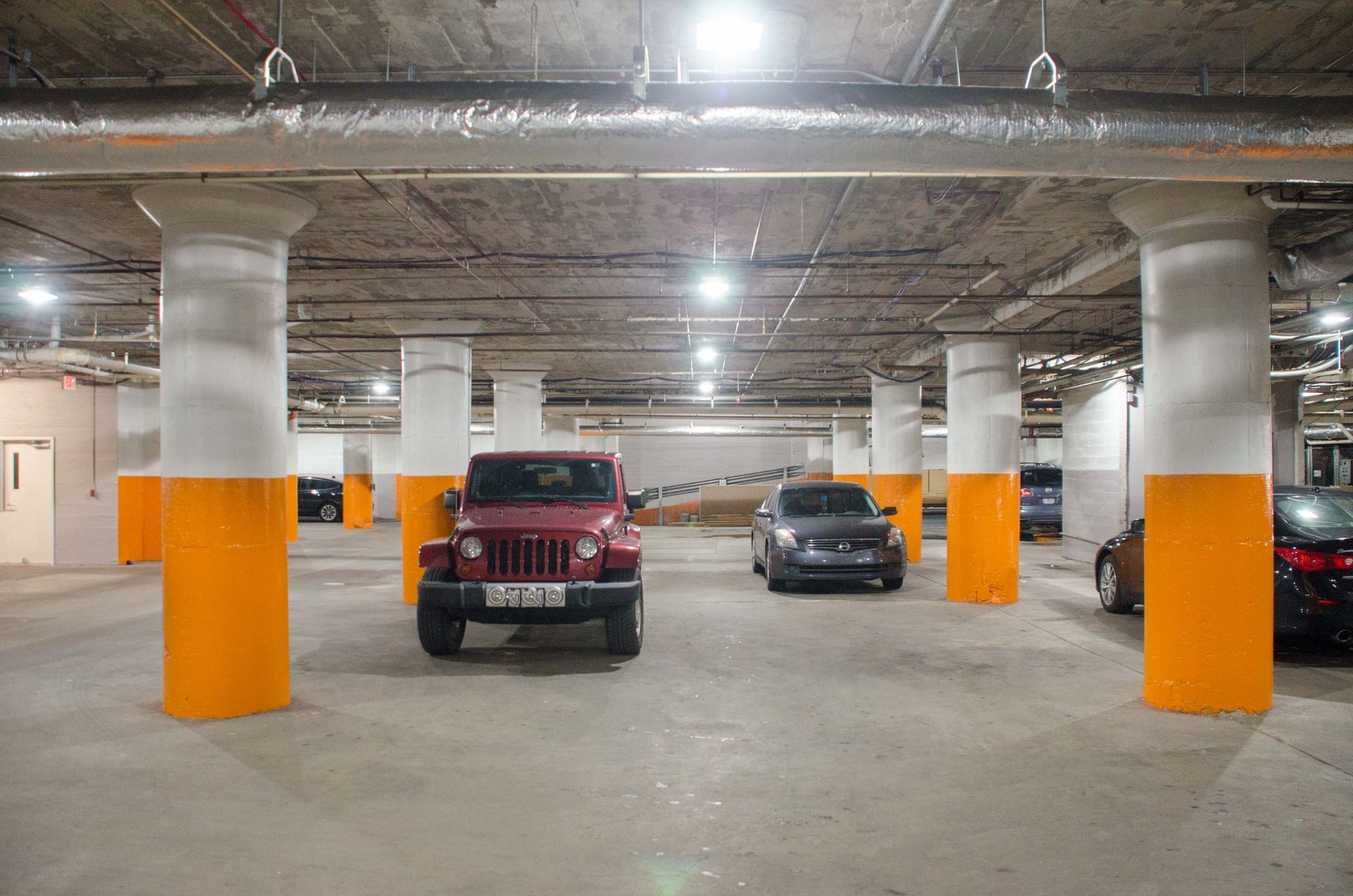
After installing their new Westgate CDL2-45-CW and Eiko LED18T8F/48/840-G6DR lighting, the parking deck at Grace Lofts has brighter, more uniform light. They've also reduced energy consumption for their garage lighting by at least 75%.


Additionally, Josh from Starbeam helped them through the Ameren Incentive application process, and McGowan received $1,700 for installing the new energy-efficient lighting.


Ameren estimates that by replacing their old, inefficient lighting with new lamps, at a cost of $1500 after incentive, McGowan Brothers will save nearly $4000 annually on their electric bill.


The lighting will pay for itself in a matter of months, yielding a whopping 258% return on investment.
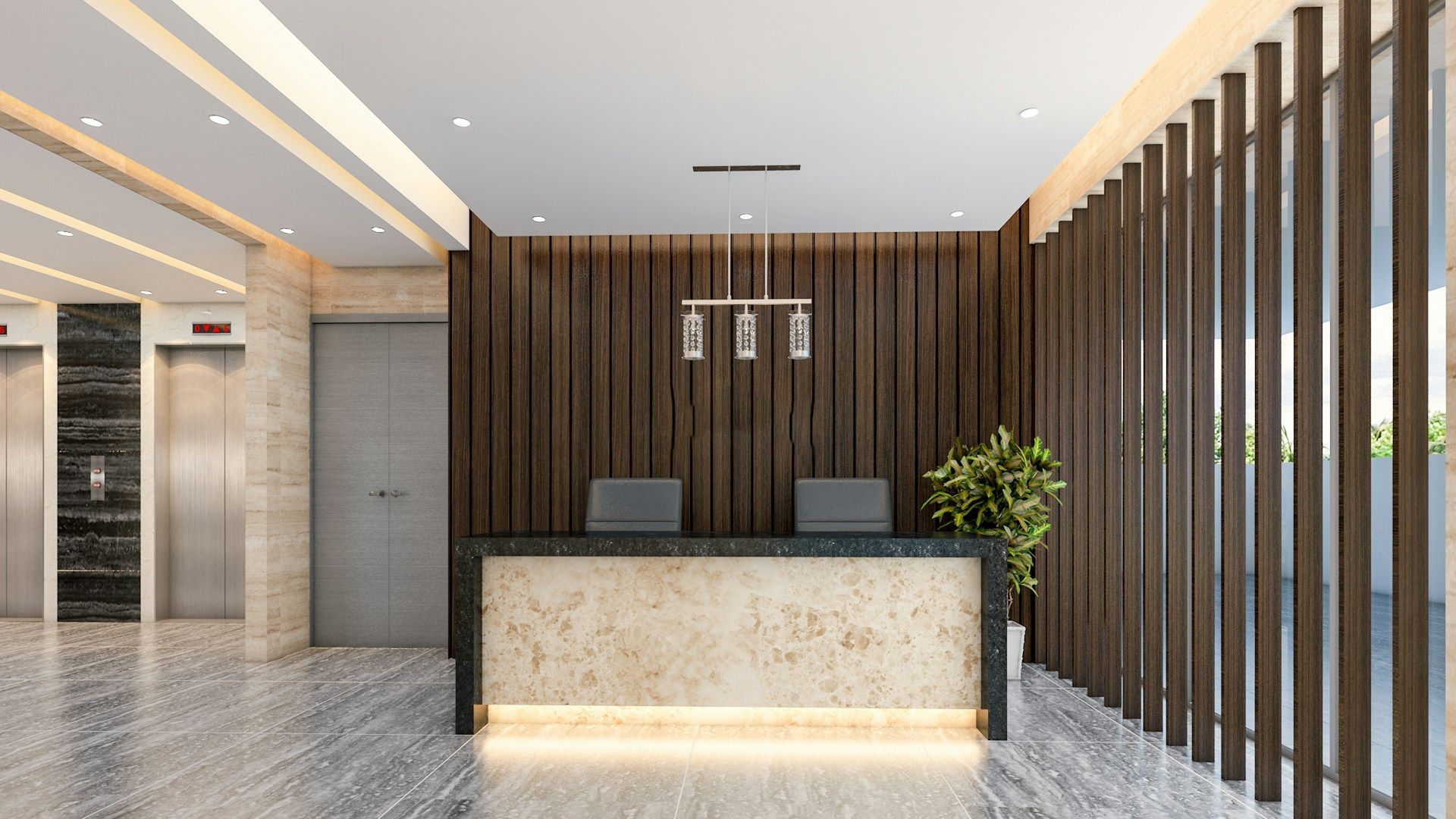
Modern hotel lobby with marble reception desk, wood slat wall, elevator, and polished stone floor
October 9, 2026
Entrances and lobbies are the first introduction to a commercial interior. Effective lighting should support safety and navigation.
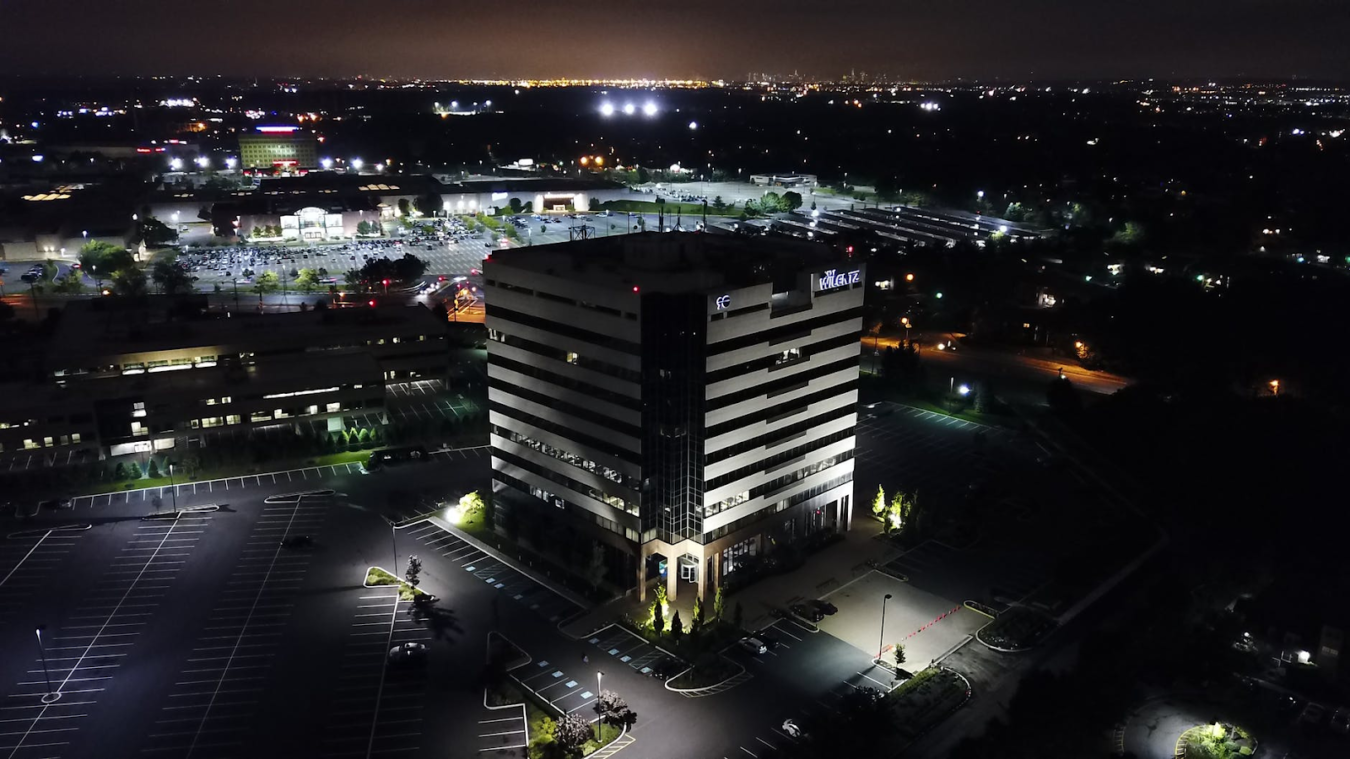
Night aerial view of a lit office building with parking lots and city lights in the background
September 14, 2026
Many facilities assume their lighting is performing well as long as the lights turn on and employees can see their surroundings. While basic visibility is important, effective commercial lighting is about much more than simply illuminating a space. The design of a lighting system can affect productivity, safety, employee comfort, energy consumption, and the overall functionality of a facility. In some cases, organizations may continue to replace lamps or add fixtures without realizing that the underlying issue lies in the lighting design itself. Recognizing the signs of a lighting design problem can help facility managers identify opportunities for improvement and create environments that better support day-to-day operations. Employees Frequently Complain About Visibility One of the most obvious warning signs of a lighting design issue is recurring employee feedback about visibility. Workers may mention difficulty reading labels, seeing fine details, or performing tasks accurately. Others may find themselves moving to different locations or adjusting their work positions to compensate for inadequate lighting conditions. When these complaints become common, the problem is not always that the facility lacks sufficient lighting. In many cases, the issue stems from how light is distributed throughout the space. Bright areas combined with dim work zones can create inconsistent visibility, making tasks more difficult than they should be. A successful lighting design ensures that the right amount of light is delivered where work is actually being performed. Glare Is Creating Discomfort Many people associate lighting problems with spaces that are too dark. However, excessive brightness can be just as disruptive. Glare occurs when light reflects off surfaces or shines directly into a person's field of vision. It can lead to eye strain, headaches, fatigue, and reduced comfort throughout the workday. Common signs of glare include: Employees squinting while performing tasks Reflections on computer monitors Bright hotspots in work areas Frequent adjustments to workstation positions Complaints about eye fatigue Simply adding more fixtures is rarely the solution. Effective lighting design involves balancing illumination levels while minimizing unwanted glare that interferes with occupant comfort.
Industrial warehouse ceiling with steel beams, skylights, and rows of fluorescent lights
August 14, 2026
Recognizing the signs of a lighting design problem can help facility managers create environments that better support day-to-day operations.