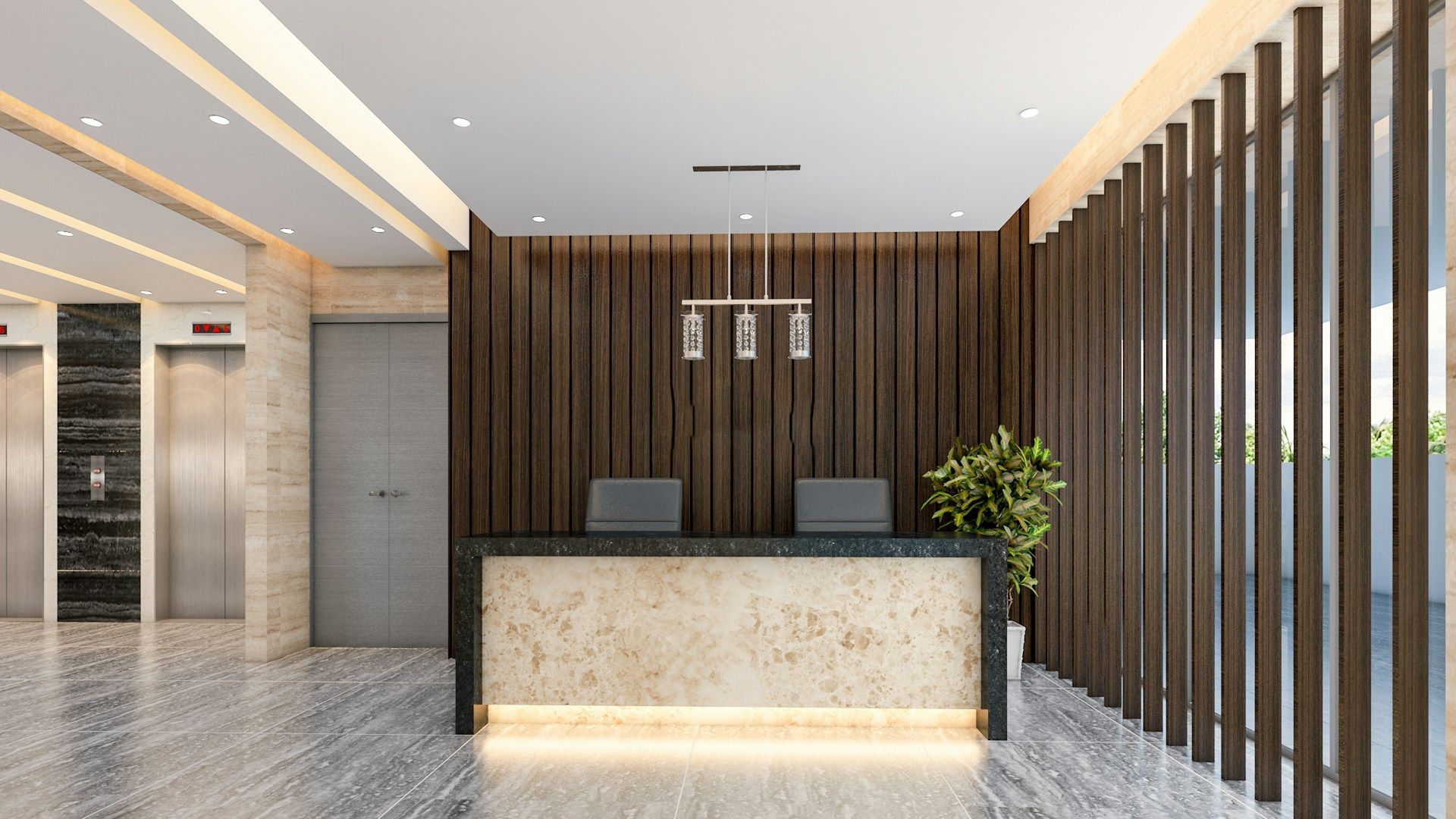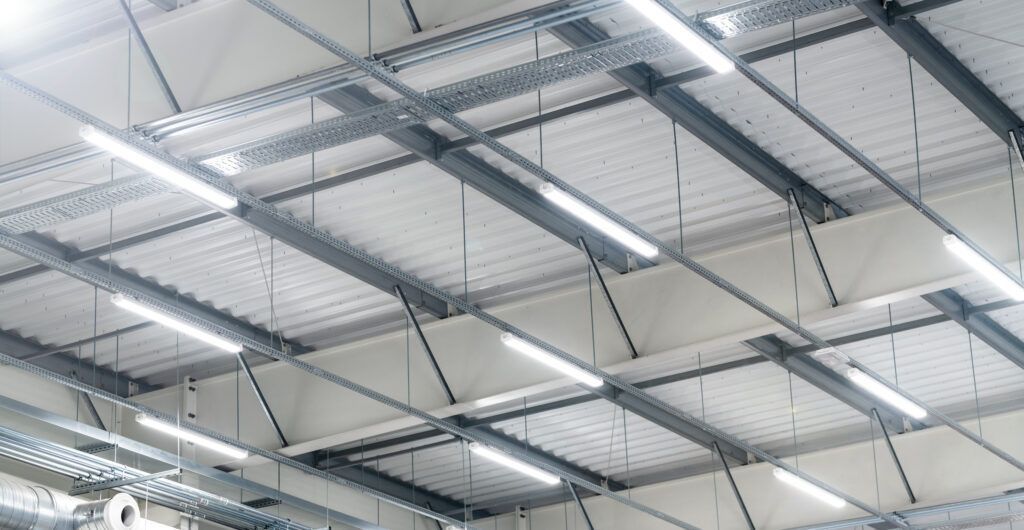
Best Recessed Lighting. In a previous post, we discussed several of the many types of lighting that are available to you. Today, we’re going to drill down and get into specifics for recessed lighting. Picking out recessed lighting – also referred to as pot lights, downlights, or can lights – for your projects can seem like a complicated process, but it doesn’t have to be.
Recessed lights are made up of two major components: the housing and the trim, both of which are selected separately. The housing is the part that is hidden inside the ceiling, and it comprises all of the electrical components, such as the actual light source, wiring and mounting hardware. The other component is the trim, which refers to the part that’s seen on the exterior of the ceiling. The trim dictates the style of the lighting.
What’s Your Lighting For?
Before you even think about shopping for your lights, you need to have a plan crafted with either a lighting designer or your contractor. What is your goal with recessed lighting? To simply illuminate the room? To highlight art or certain architectural qualities? Are you layering these on top of pendants, sconces or other ceiling fixtures? Or, are you doing some combination of the three? Be sure you take into consideration the other lighting that’s in the room as well as the height of the ceiling. These factors dictate the number of recessed lights you’ll need and will help you determine appropriate sizes.
What About the Light Source?
You basically have three types of lighting to choose from when selecting recessed lighting: incandescent, fluorescent and LED. Although they have a higher initial cost, many designers, contractors and consumers are gravitating toward LED they use far less energy and last much longer than the other two types.
To differentiate the various hues of white, artificial light sources are labeled with a correlated color temperature, or CCT. CCT is measured in degrees of Kelvin (K), which refers to the tone of white light that will be radiated from the fixture. Warm light with a yellow cast typically is in the 2,700K to 3,000K range while 3,500K to 4,000K provides a cooler, bluer light. This choice, of course, comes down to personal preference, but typically, in residential settings, 2,700K to 3,000K are used, and in commercial settings, 3,500K to 4,000K is most common.
Another number to consider when selecting lighting is the Color Rendering Index (CRI), which is the measurement of a light source’s ability to reveal realistic colors on items such as artwork where that’s an important requirement. On the CRI lighting scale of 0 to 100, LED light sources with an 85 to 90 CRI are considered very good at color rendering; white, halogen incandescent is 100 CRI. Fluorescent lighting is usually very poor at reproducing acceptable CRI.
What Size, Shape and Style of Recessed Lighting Do You Need?
Recessed lights are typically available in 2” to 6” size apertures. As a general rule, smaller sized downlights are used for more contemporary spaces and larger apertures for more traditionally styled spaces.
Whether the light is on or off, the ceiling aperture and trim is always visible, so it’s important to choose a trim that’s aesthetically appealing.
Some aspects of style to think about include:
- Trim Appearance
- A flangeless trim, in which the light is flush with the ceiling surface, gives a high-end look.
- Flanged trims are ringed with a thin ceiling lip that sits on the surface of the ceiling.
- Trim Shape
- Square aperture trims provide a more contemporary architectural appeal.
- Round aperture trims are more classic and at home in a transitional setting.
- Trim Style
- Bevel Trims give visual depth and architectural appeal.
- Flat trims lean toward a minimalistic aesthetic.
Other considerations:
- Trim colors — Many downlight trims come in colors other than black or white, such as satin nickel, brass or bronze.
- Dimming — Look for downlights that provide this feature. A dimmable light will not only let you set the mood for the room, but also helps save energy.
Take your time in planning the recessed lighting layout that will suit your needs and preferences and get professional advice. Our team is a great place to start! Contact us at 314-997-0077 or on our website.
The post Choosing the Best Recessed Lighting appeared first on Starbeam Lighting.