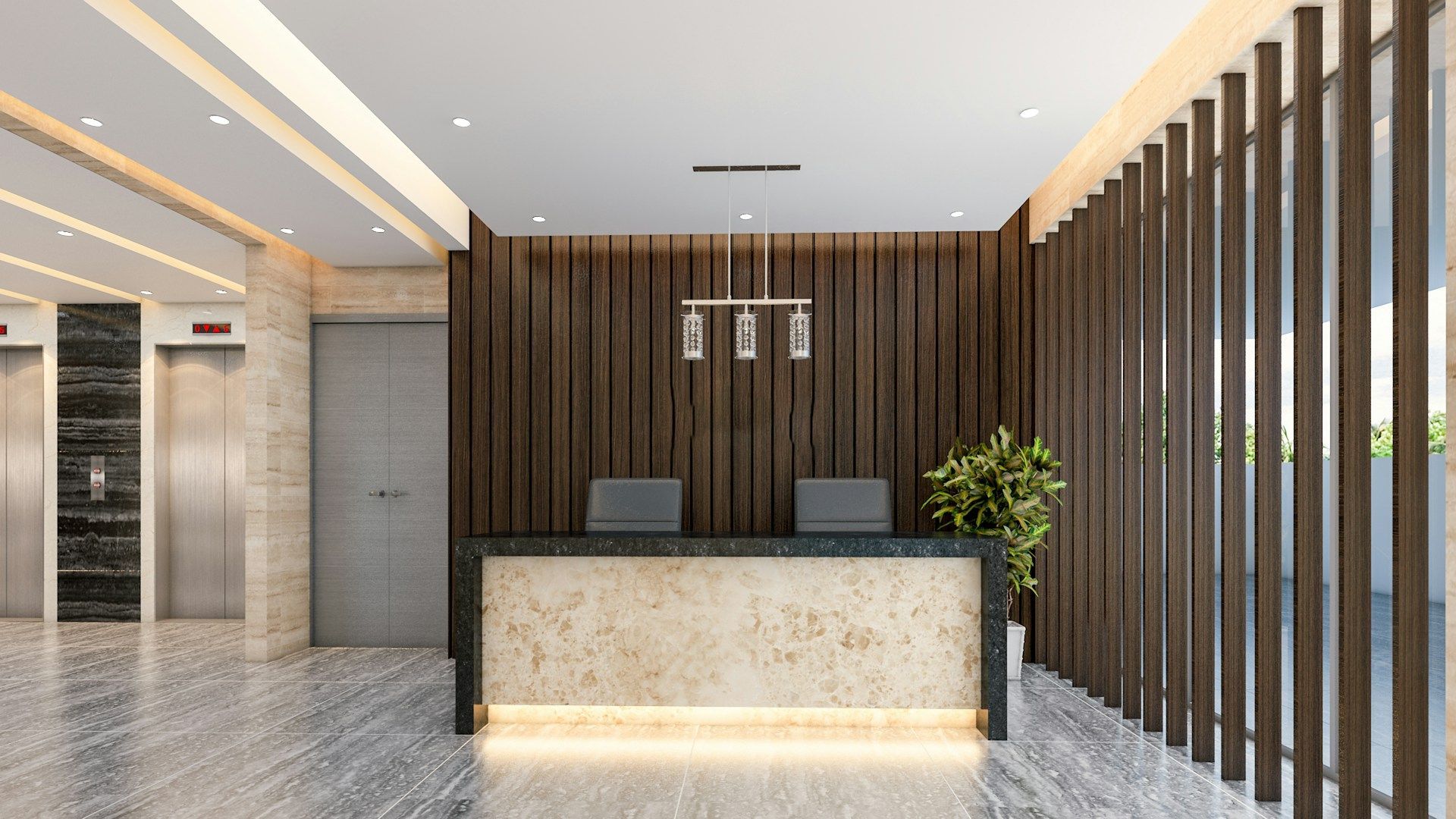
We often discuss the benefits of upgrading your commercial lighting to LED technology; when you switch, your property will improve aesthetics and save energy costs.
However, one benefit we don’t discuss as often is how commercial lighting upgrades can aid accident prevention.
Whether your property is a warehouse, a retail store, an office building, or any other type of commercial building, updating your lighting systems can help minimize injuries, accidents, and mishaps.
Outdoor Lighting Lowers The Risk of Falls
At best, an employee or customer tripping outside of your building is a bad way to start their day, and at worst, it’s an injury and a potential legal issue.
Commercial building owners should map out all the ways visitors enter the building. Then, consider each pathway: Do you have ample lighting around it and any directional signs?
LED bollards or pathway lights are great for your outdoor lighting setup. Consider using motion-censored lights around the exterior of the building, which can save energy and even deter trespassers.

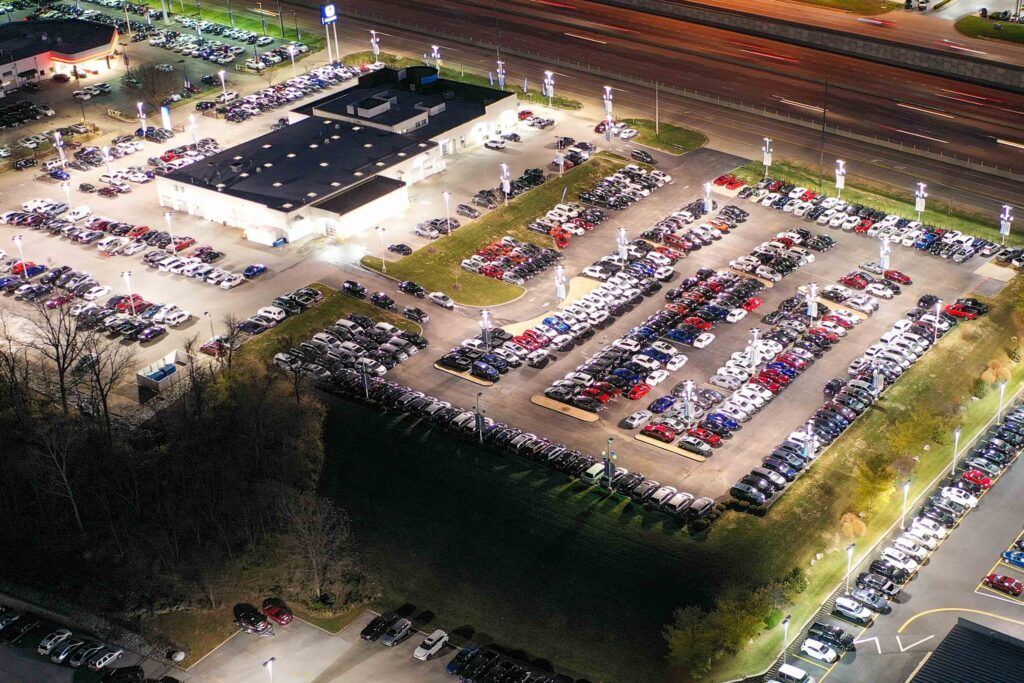
Helps Prevent Parking Lot Accidents
Parking lots are some of the most common places for accidents involving vehicles and people.
When lighting is dim or nonexistent, visitors may fail to see the parking lot striping or signage and get in an accident. In the Midwest, we also know our volatile weather can cause icy conditions or potholes in the asphalt.
Visitors may trip and fall on such hazards when the lot doesn’t feature appropriate illumination.
Upgrading the lighting in your parking lot is a big undertaking, but it will be worthwhile for your customers and employees.
Lowers the Risk of Electrical Fires
Outdated lighting can be a major contributor to electrical failures and fires.
Common lighting issues in commercial buildings include outdated wiring, circuit overloading, or damaged fixtures. Unfortunately, these issues and loose plugs can be the culprit for an electrical fire or other damage.
Commercial building owners should evaluate their current lighting choices and inspect wiring often. When they upgrade their lighting, they can ensure that the new wiring is sound and meets all safety requirements.
Indoor Lighting Helps in the Fight Against Slips and Trips
Like exterior lighting, interior lighting helps to keep everyone safe from hazards.
Parking garages, stairwells, narrow hallways, and around machinery or equipment are common places inside buildings where slips, trips, and falls can occur.
Switching to LED fixtures for interior spaces will ensure that these areas are safer visibility-wise. Property owners should also decide whether to add additional fixtures beyond what they upgrade. Lighting control systems and motion-sensor lights can also be valuable investments.

Emergency Lighting is Crucial During High-Stress Situations
High-stress situations such as severe weather or power failures call for quick thinking and vigilance to keep everyone safe.
Commercial building owners should familiarize themselves with their backup power and emergency lights. Running safety drills and practicing evacuations is also key so employees know what to do in an emergency.
If the team isn’t prepared, chaos can ensue, leading to further accidents.
The bottom line is to ensure your building is ready for emergencies, big or small!
Catch Structural Damage or Other Issues Sooner
Outdated and dim lighting can hide structural issues or mishaps for specific building types.
For instance, an older building may have some utility closets with dim lighting that have faced neglect over the years. Say there was a material spill, water damage to the wall, or even mold growth in the closet – but without proper lighting, the building owner and maintenance team have missed these signs.
While these occurrences may not happen at the structural level, proper illumination encourages clean spaces. Your team and your visitors will appreciate knowing the space is clean and safe.
Connect with Starbeam Lighting Solutions
Whether you want to upgrade the lighting systems in your commercial building or have a general lighting question, our team is here to help!
If you’re ready to optimize your lighting system and start saving on energy costs, contact our team today for a professional lighting assessment.
Our team of lighting experts will help you find the best solutions for your commercial space’s unique needs!
The post How Updated Lighting Aids in Accident Prevention appeared first on Starbeam Lighting.