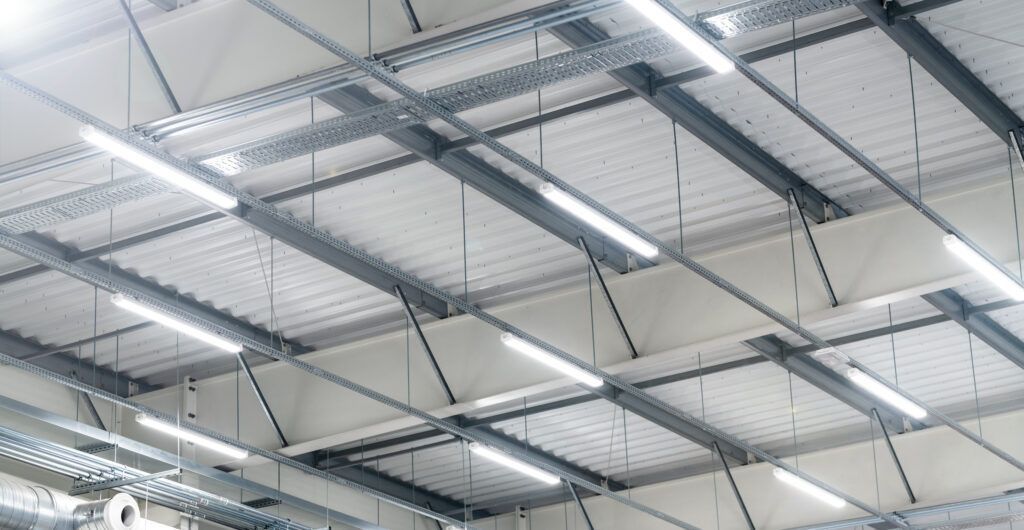
Do you still have fluorescent tube lights on your commercial property? These lights are beginning to vanish in the lighting world , and for a good reason – while fluorescent tube lights were popular in the past, more modern, energy-efficient alternatives on the market are worthy investments. Let’s examine why it may be time to eliminate fluorescent tube lights in your commercial property.
Energy Efficiency
One of the primary reasons businesses switch from fluorescent tubes to LED lighting is the substantial energy efficiency of LEDs. Commercial establishments are known for their significant energy consumption; every watt saved translates to cost savings. LEDs consume considerably less electricity than fluorescent tubes, resulting in lower energy bills and contributing to a greener, more sustainable future.
The energy efficiency of LEDs is not just a theoretical advantage; it translates into tangible financial benefits over time. Businesses can witness a substantial reduction in their operational costs, making LED lighting a wise investment that pays off in the long run. As energy prices continue to rise, the economic advantages of LED technology become even more pronounced, offering a bright path to cost savings for commercial enterprises.
Longer Lifespan
In the fast-paced world of business, disruptions can be costly. One key advantage of LED lighting is its significantly longer lifespan than fluorescent tubes. On average, LEDs outlast traditional fluorescent lights ( 3-5 times longer ), reducing the frequency of replacements; this minimizes disruptions to business operations and leads to substantial cost savings in maintenance and replacement expenses.
The longevity of LEDs is a game-changer for commercial establishments looking to optimize their lighting infrastructure. With fewer replacements, businesses can allocate resources more efficiently, focusing on core operations rather than dealing with the hassle of regularly changing bulbs. The peace of mind with reliable and long-lasting lighting is invaluable for businesses aiming for seamless and uninterrupted workflows.
Improved Quality of Light
Beyond the pragmatic aspects of energy efficiency and longevity, LED lighting offers a qualitative leap in the overall experience of commercial spaces. LEDs provide a superior quality of light with better color rendering and brightness control than fluorescent tubes. This enhancement in light quality can profoundly impact the aesthetics of a business environment.
Environmental Impact
Sustainability is no longer just a buzzword; it’s a commitment businesses must uphold. Fluorescent tubes, unfortunately, come with environmental drawbacks, containing hazardous materials like mercury. The responsible disposal of fluorescent bulbs is crucial to prevent ecological harm. In contrast, LED lights are environmentally friendly, free from toxic materials, and fully recyclable.
Switching to LED lighting is not just a practical choice for businesses but also a green choice that aligns with environmental stewardship. By opting for LED technology, commercial establishments contribute to reducing their carbon footprint and demonstrate a commitment to sustainable practices. This eco-friendly approach can also be a valuable point of differentiation for businesses in the eyes of environmentally conscious consumers and partners.
Instant, Flicker-Free Lighting
In the fast-paced environments, every second counts. LED lighting offers the advantage of instant illumination without the warm-up time associated with fluorescent tubes. Instant illumination is crucial for quick and reliable lighting, such as retail spaces, warehouses, or healthcare facilities.
Improve Aesthetics
Beyond the practical considerations of energy efficiency and cost savings, the impact of smarter lighting on the aesthetics of a commercial space is significant. LED lighting, with its advanced technology, offers businesses a versatile toolkit to enhance the visual appeal of their environments. LED lights’ customizable color temperatures and dimming capabilities empower organizations to create tailored lighting designs that complement their brand identity and desired ambiance.
Whether it’s a retail setting that aims to highlight products with vibrant lighting or an office space seeking a balanced and soothing atmosphere, LEDs provide a level of flexibility previously unattainable with traditional fluorescent tubes. The ability to precisely control the brightness and color of lighting not only elevates the overall aesthetics of a space but also allows businesses to craft unique and memorable experiences for customers and employees alike. As the saying goes, “Lighting makes a space,” and with LED technology, businesses can sculpt their environments to align with their vision and brand aesthetic.

Work With Starbeam Lighting
As commercial business owners navigate the dynamic landscape of lighting technology, the case for transitioning from fluorescent tubes to LED lighting becomes increasingly compelling. The advantages of LED lighting extend beyond mere illumination; they contribute to a holistic and positive transformation of commercial spaces. By embracing LED technology, businesses not only future-proof their lighting infrastructure but also contribute to a brighter, more sustainable future for themselves and the planet. Illuminate your business with the brilliance of LED lighting – a decision that pays dividends in efficiency, aesthetics, and overall success.
Here at Starbeam Lighting Solutions, we are dedicated to helping commercial property owners optimize their lighting solutions. Through lighting audits and tailored recommendations, Starbeam can assist you in achieving the perfect lighting setup for your property. Invest in the right lighting solutions today and experience the positive impact they can have on your business. Contact us today!
The post Why It’s Time To Get Rid of Your Fluorescent Tube Lights appeared first on Starbeam Lighting.