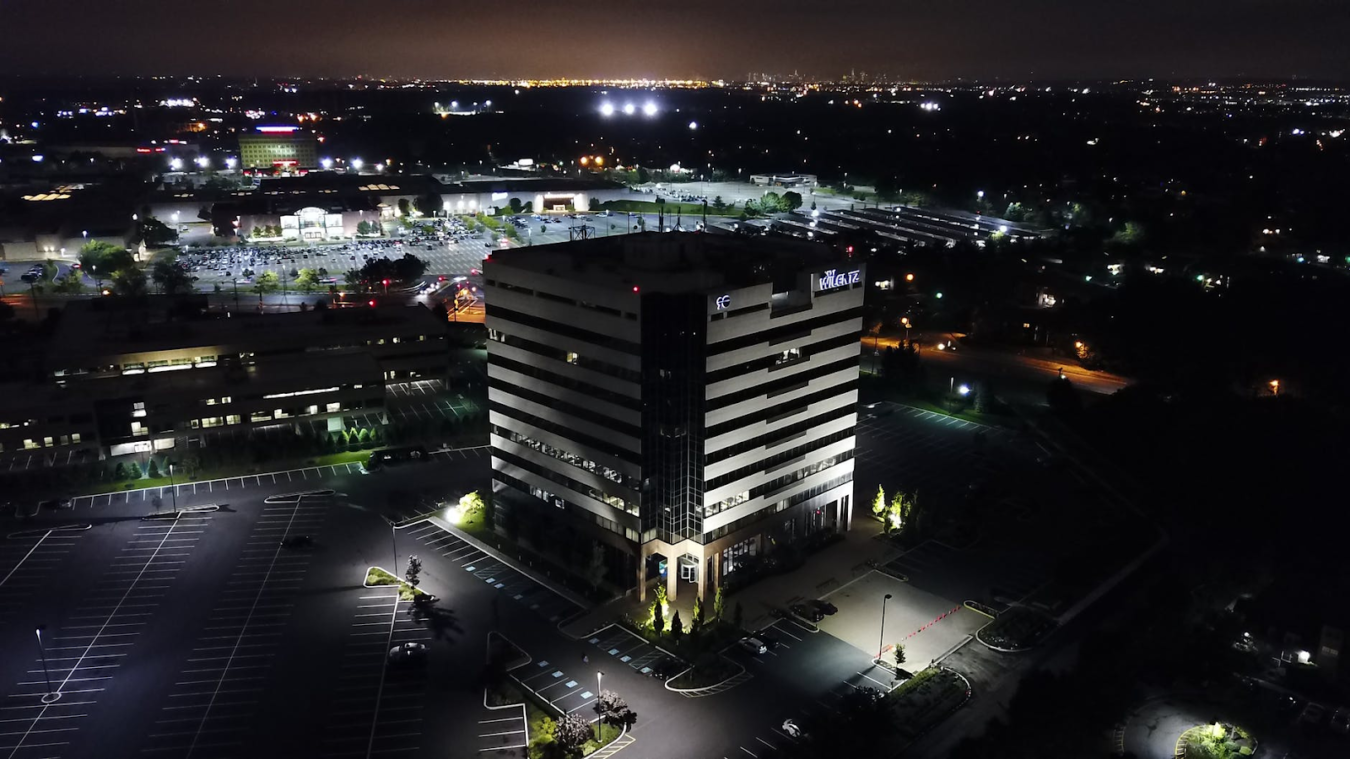
When it comes to investing in safety and security, outdoor lighting is a necessity for public spaces, businesses, warehouses, and other commercial property. These are the lights that keep dark areas illuminated during the day, help provide bright illumination throughout the evenings, and offer additional benefits like aesthetic appeal and security.
While there is a range of exterior commercial lighting options available, many facilities are turning to LED upgrades to save money and energy efficiency. The 50,000+ hour lifetime of LED bulbs means that replacement is lower-cost and less frequent, and there is also a range of colors and tones.
These are some of the most popular LED choices for exterior commercial lighting:
- Exterior LED Lighting: Wall packs are a common type of exterior LED lighting, and are installed onto the wall of your building or another vertical surface to illuminate the perimeter of your property. Beam direction, color, and duration of operation can all be easily controlled through automation and tech tools connected to your lighting system.
- Outdoor LED Lighting: This LED lighting can be used to illuminate gardens, campuses, walkways, streets, and more. This usually means installing LED pole-mounted lighting in these areas for better visualization and safety with aesthetics in mind.
- LED Landscape Lighting: There’s probably a nice chunk of your facility management budget that is likely designated towards improving the landscaping. Why not show it off with specialty LED landscape lighting? This is a great choice for businesses that want to draw attention to their property.
- Commercial Exterior Lighting Fixtures: Finding the right commercial exterior lighting goes beyond bulbs; it’s also about your fixtures. Depending on your lighting design, fixtures can improve energy efficiency, add stylistic appeal to the property and allow for connectivity for IoT (Internet of Things) devices.
- Flood Lights: Large spaces like parking lots, sports fields, and distribution center campuses need lighting that offers a wide range of views. LED floodlights in the right strength and wattage could be the solution for these types of applications.
- Sensors: Dusk-to-dawn sensors optimize lighting use based on sunrise and sunset times, while motion sensors trigger the lights when people enter or exit your space. Both of these tools will help make your LED lighting more energy-efficient.
[twenty20 img1=”2250″ img2=”2249″ offset=”0.5″ before=”Before” after=”After”]
Because there are now so many available options when upgrading your exterior commercial lighting, it’s not something we’d recommend you tackle on your own. Working with a qualified, experienced lighting team can bring important skill sets to the table, from the design of the lighting system throughout its installation, and even when it comes to long-term maintenance of your LED lighting.
Once you’ve settled on a budget for commercial exterior lighting, sit down with those lighting professionals to discuss your options. Bring important documentation to these meetings, like landscape plans, property maps, and building blueprints. If sustainability plays an important role in your upgrade, let your lighting team know to help guide their suggestions. Making sure that you get the most of your exterior commercial lighting investment means choosing high-quality products and professional guidance and installation.
If you need to prioritize upgrades for cost or logistics reasons, choose to replace or add lighting to areas that need it most — like entryways and exits, walking paths and stairs, and parking lot areas. Again, working with qualified lighting professionals can help demystify which types of LED lighting are best for certain areas of your commercial property.
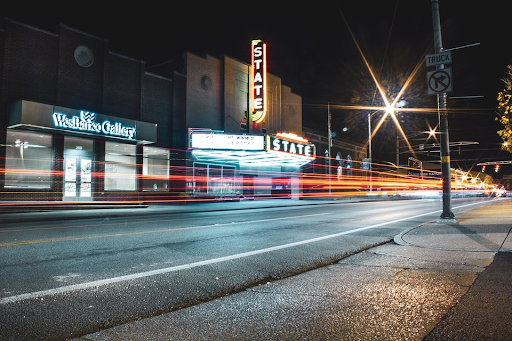
We understand that the cost of lighting an entire building’s exterior can be expensive. This is especially true if you are using old technology that sucks up energy and wastes much of it before it gets to you. If you want the best commercial lighting, you need to work with a company that understands the ins and outs.
From the moment we start exploring your options to the final design process, from installation to walk-through, from handoff to ongoing consulting, we are here for you. If you need a quick fix, call us. If you need a new lighting solution entirely, we can help. Just make sure that when you are exploring your commercial outdoor lighting opportunities, you work with the best.
The post A Guide To Exterior Commercial Lighting appeared first on Starbeam Lighting.