Lighting plays an integral role in many industries, and horticulture is no exception. Horticulture has always been an active field, and with evolving legislation across the U.S. around cannabis, the industry is booming. Lighting in greenhouses or other horticultural settings impacts plant growth, productivity, and safety. People new to the industry and experienced horticulturists should ensure they have the best horticulture lighting system.
Know Your Crop
If you’ve had a horticultural space for a while, you’ll likely know the growth stages of different crops and have best practices for growth strategies. If you’re newer to the industry, it is essential to research all the plants you plan to have in your facility and talk to other horticulturists to learn tips and tricks. If you’re growing cannabis , you’ll want blue light for the vegetative growth stage and red light for the flowering stage. Other plants may have similar needs for maximum growth, which is why research is valuable.
Placement
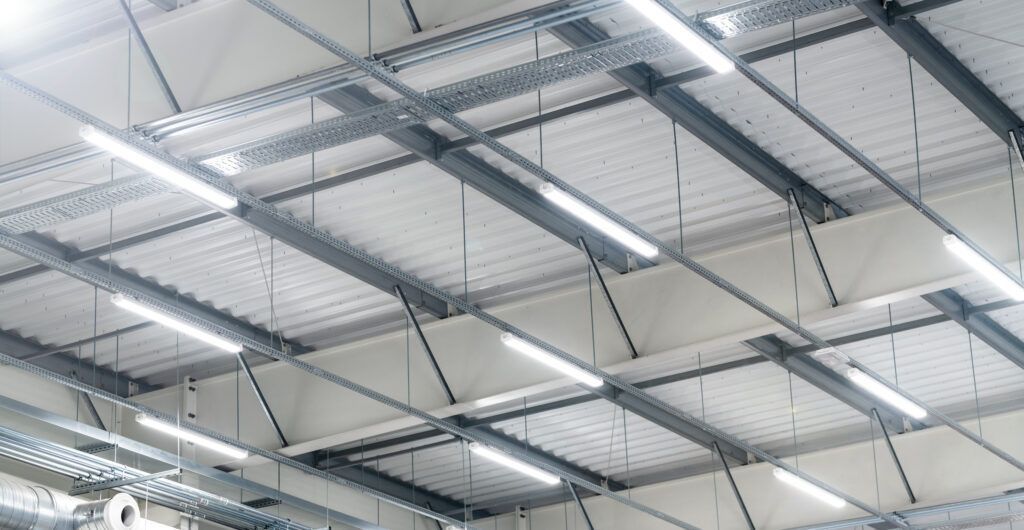
Another critical part of horticultural lighting is the placement of lighting throughout the facility. You should plan out how close you want the light fixtures to be to the top of the plants, how many light fixtures you plan to have, the spacing between each, and the type of fixture. Tubular lights are popular since they can cover several plants at a time, but since they are narrow, multiple rows of lights may be necessary to light the plants sufficiently. Lights designed to cover just a single plant or two can offer better coverage, but buying more to place throughout the facility may be more expensive.
Temperatures
Most of those experiments from 7th-grade science class hold true– many plants require specific temperatures for optimal growth. In an artificial environment like a greenhouse or other horticultural space, you’ll want to control temperature through HVAC systems, fans, shade curtains, and lighting. You must look into how much extra heat your lights will produce and how that plays in with the rest of the facility. Additionally, to measure temperature correctly, you should place thermometers in multiple places throughout the space and record temperatures over a 24-hour period to get a holistic view of temperature readings.
LED Lighting
As with other industries, LED lighting is taking center stage over traditional fluorescent lights. However, some lighting manufacturers are rebranding LED lights meant for retail spaces to LED horticultural lights without making proper design changes. Strong LED lights designed for horticulture should have full spectrum lighting, low energy consumption, a fan, dimming switches, and more. With the right combination of LED innovation and design considerations, your lighting will help your plants thrive and lower energy costs.
Brands
Many lighting manufacturers are entering the market and perfecting their products in response to the legalization of recreational and medical marijuana in some states. With this market movement, finding a few trusted brands is crucial to ensure you get a quality product. Our team at Starbeam Lighting Solutions has done lots of research, and our preferred manufacturer for horticultural lighting is Barron Lighting Group. We recommend their Growlite® line to our customers , which offers specialized lights for each growth stage of cannabis. The line also has ballasts, lamps, and reflectors either in a combo or sold separately.
When to Replace
Even though horticultural lighting is different than other lighting types, there are commonalities across all industries for when it’s time to replace your lighting. If you notice the lights flickering or dimmed beyond your chosen setting, it may be time to replace (or, at the least, inspect). If you have a mechanical or electrical issue that your lighting could be contributing to or affected by, you’ll also want to take caution. If your lights overheat, you’ll also want to consider a replacement since the extra heat could affect your plants.

Safety
Anytime you work with electrical equipment, safety is crucial. Depending on the size of your horticultural space, you may want to work with lighting specialists to install your new lights properly. This will also ensure that your old existing lights can be safely taken out and disposed of. After installation, you should carefully monitor your lights, watch for warning signs that the lights may need to be replaced, and replace them at the appropriate time.
Work with Starbeam Lighting Solutions
When you work in horticulture, your plants are investments. With so many considerations for horticultural lighting, getting help from the experts will add value to your investment. Our team at Starbeam Lighting Solutions is here to help you through the whole process. We also work in many other industries, so whatever your lighting project is, get in touch with us today!
The post A Guide to Horticultural Lighting appeared first on Starbeam Lighting.