Upgrading your business lighting is one of those improvements that seems simple until you start asking the right questions.
Do you keep your existing fixtures and retrofit them?
Replace everything one for one?
Take the opportunity to redesign the lighting layout entirely?
The best choice depends on your building, your goals, and what success looks like for your operation. That may include lower operating costs, better light quality, fewer maintenance calls, improved safety, or all of the above.
At Starbeam Lighting Solutions, our team brings over 100 years of combined lighting experience and specializes in LED retrofit technology, helping businesses make smart upgrades without expensive missteps.
Let's break down your three main upgrade paths so you can choose the option that fits your space, timeline, and budget.
LED Retrofit: Keep the Fixture, Upgrade the Performance
Best for: Businesses that want modern performance but prefer to keep existing housing or layouts.
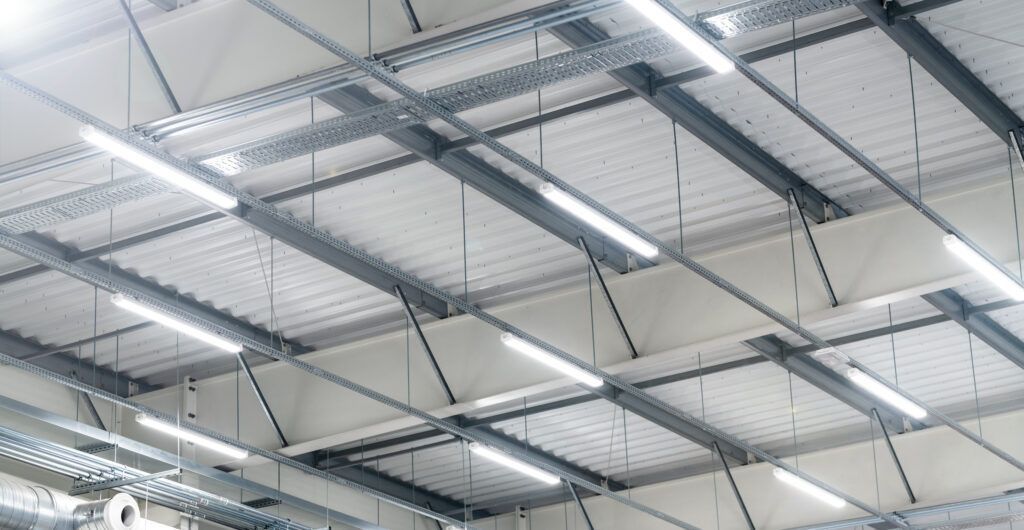
A retrofit typically means keeping the existing fixture body while upgrading internal components such as lamps, boards, optics, or drivers so the fixture performs like a modern LED system.
Why Businesses Choose Retrofits
- Minimizes disruption to daily operations
- Often faster than a full replacement
- Makes sense when fixture housings are still in good condition
When Retrofit Makes Sense
Retrofits are ideal when your current fixtures are structurally sound, your lighting layout still works, and your goal is to improve efficiency without reworking the ceiling or electrical layout.
One-for-One Replacement: Modern Fixtures, Same Locations
Best for: Facilities that want a clean, consistent upgrade with predictable results.
One-for-one replacement removes outdated fixtures and installs new LED fixtures in the same locations.
Why Businesses Choose Replacement
- Fresh, modern fixtures with improved optics and longevity
- More consistent light levels across the facility
- Opportunity to correct glare, discoloration, or uneven illumination
When Replacement Makes Sense
Replacement is often the best option when fixtures are aging, yellowed, damaged, or frequently failing, or when a more modern appearance is important for customers or employees.
Full Lighting Redesign: Optimize the Entire System
Best for: Businesses that want the best long-term performance and flexibility.
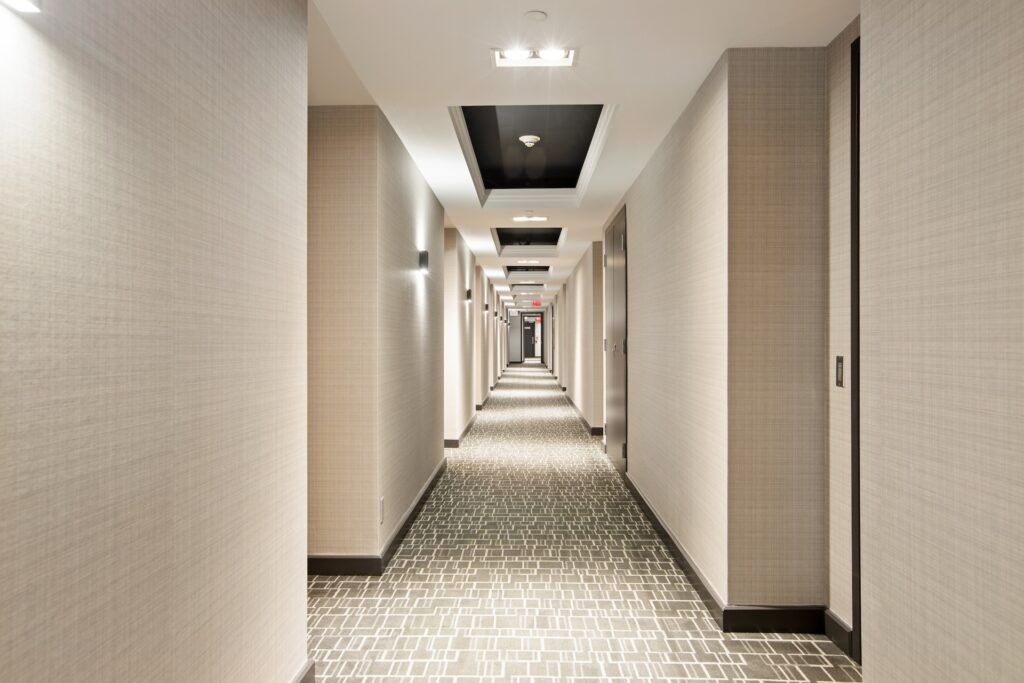
A lighting redesign goes beyond fixtures and focuses on how light is delivered throughout the space. This approach considers layout, ceiling height, task requirements, and control systems to create a more efficient and effective lighting plan.
Why Businesses Choose Redesign
- Improves visibility and uniform light coverage
- Reduces over-lit or under-lit areas
- Aligns lighting with how the space is actually used
- Supports advanced lighting controls and future changes
When Redesign Makes Sense
Redesign is ideal when your space has changed, you've experienced ongoing lighting issues, or you want to maximize efficiency, safety, and performance long term.
Questions to Ask Before You Upgrade
Before choosing an upgrade path, consider several factors to guide your decision.
- Are my existing fixtures in good physical condition?
- Do I need better coverage, visibility, or consistency?
- Are maintenance calls becoming more frequent?
- Has the layout or use of my space changed?
- Do lighting controls or automation make sense for my operation?
- Am I planning future expansions or renovations?
Answering these questions upfront can help you avoid unnecessary costs and ensure your upgrade delivers real value.
Work With Starbeam Lighting Solutions
Upgrading your business lighting is easier with the right partner.
With over 100 years of combined lighting experience and deep expertise in LED retrofit technology, Starbeam Lighting Solutions helps businesses make smart, efficient lighting upgrades with confidence.
From evaluating your space to recommending the right products and solutions, their team is here to support your project from start to finish.
Contact us today to see how we can support your project.