When it comes to commercial lighting, it's tempting to look for a simple solution: pick a fixture, install it everywhere, and move on.
After all, lighting is just about making a space bright enough to see, right?
In reality, commercial lighting plays a much bigger role. It affects safety, productivity, energy use, and how a space feels to the people who use it every day.
Because no two commercial environments operate the same way, a one‑size‑fits‑all lighting approach often leads to wasted energy, poor performance, and costly corrections down the road.
Different Spaces Use Light in Different Ways
Lighting is all about how light supports the function of a space. A warehouse, an office, and a retail store may all fall under the "commercial" umbrella, but each relies on lighting for very different reasons.
When lighting is treated as a generic utility rather than a strategic design element, it often fails to meet the space's real needs.
Understanding how each environment uses light is the first step toward making smarter decisions.
Warehouses and Industrial Facilities
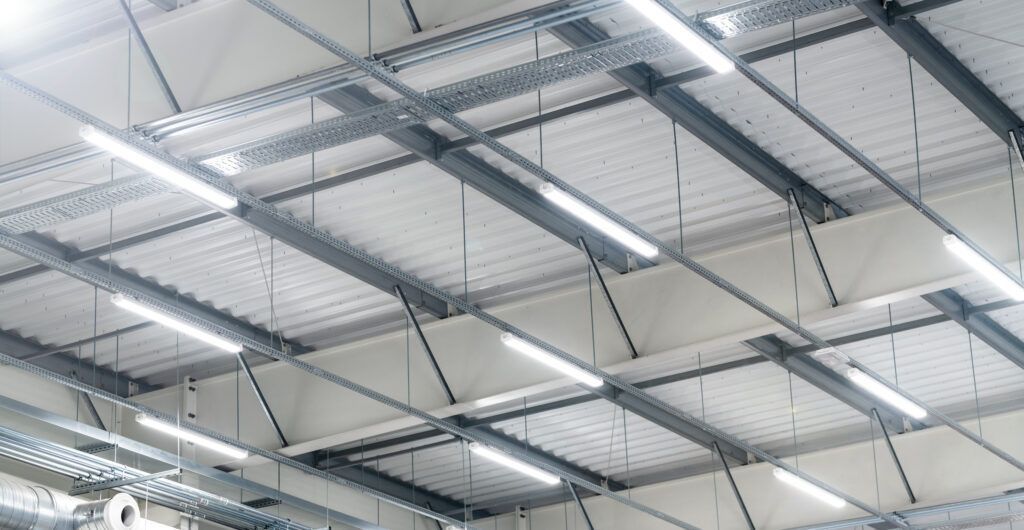
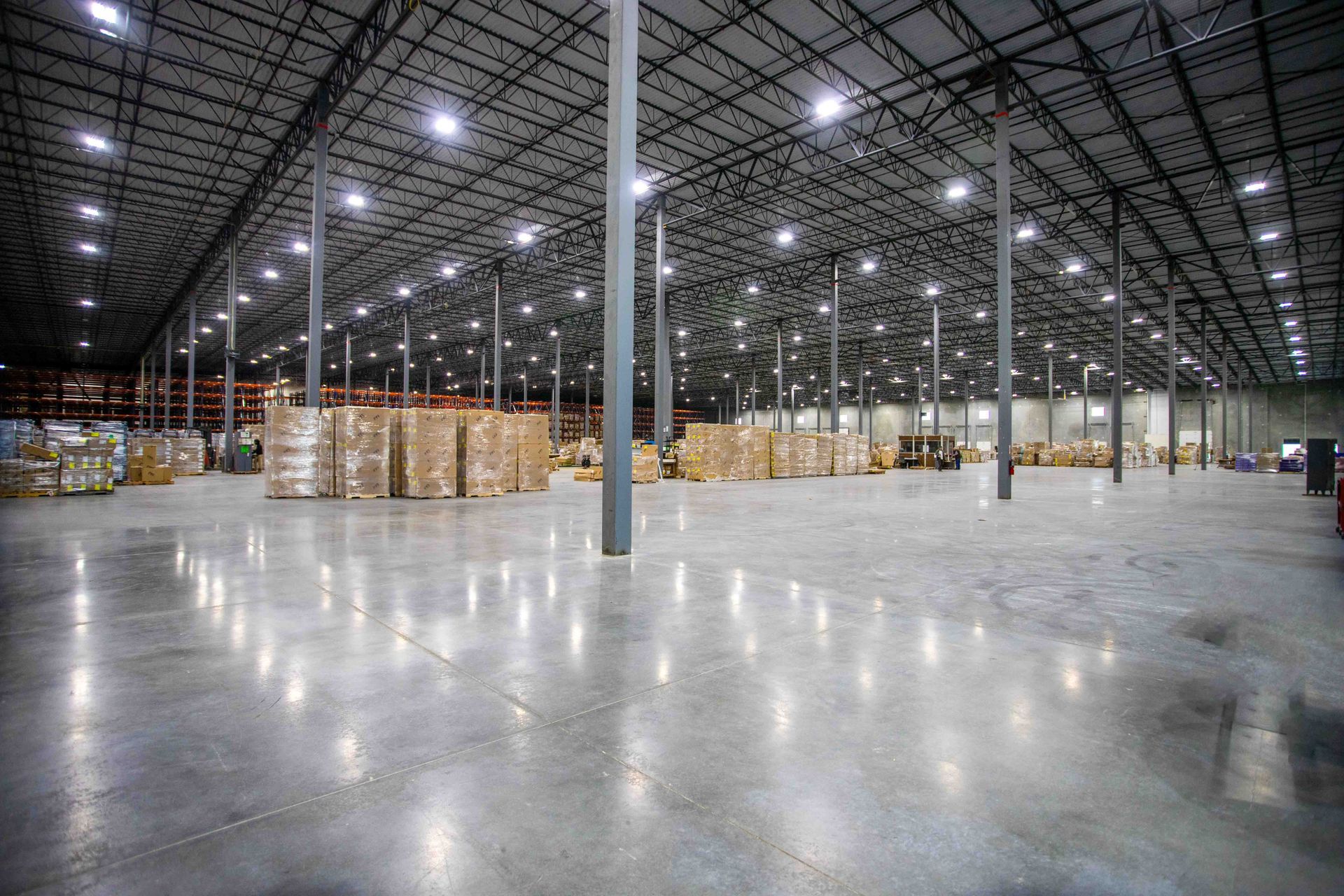
In warehouses and industrial facilities, lighting is directly tied to safety and efficiency. Workers need clear visibility to operate equipment, read labels, and navigate aisles without strain or shadowing.
Uniform illumination is critical in these environments. Poorly placed fixtures can create dark spots, glare, or harsh contrasts, increasing the risk of accidents and slowing operations.
Durability also matters: industrial spaces often demand fixtures that can withstand vibration, dust, and long operating hours.
Using office or retail lighting in a warehouse setting can lead to inadequate coverage, higher maintenance costs, and safety concerns.
Office and Administrative Spaces
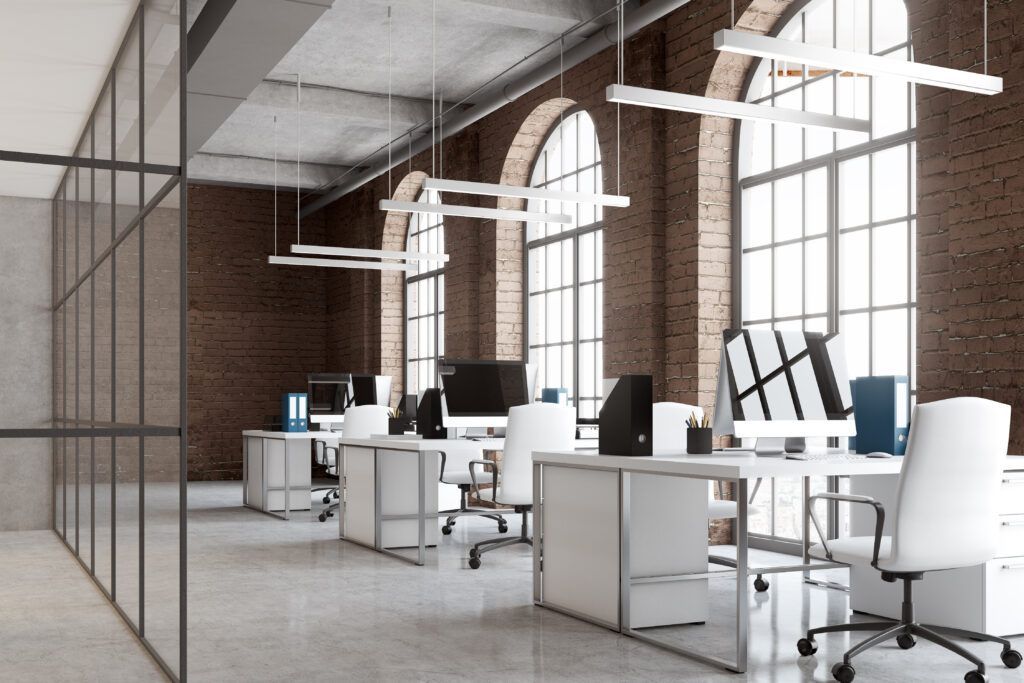
Office environments have very different lighting needs. Instead of high‑output illumination, the focus shifts to comfort, focus, and visual balance.
Lighting that is too harsh or too dim can contribute to eye strain, fatigue, and reduced productivity. Factors like color temperature, glare control, and even fixture placement all influence how comfortable a space feels throughout a workday.
Applying the same lighting approach used in industrial spaces to offices often results in lighting that feels overwhelming or uncomfortable, even if it technically meets brightness requirements.
Retail and Customer‑Facing Environments
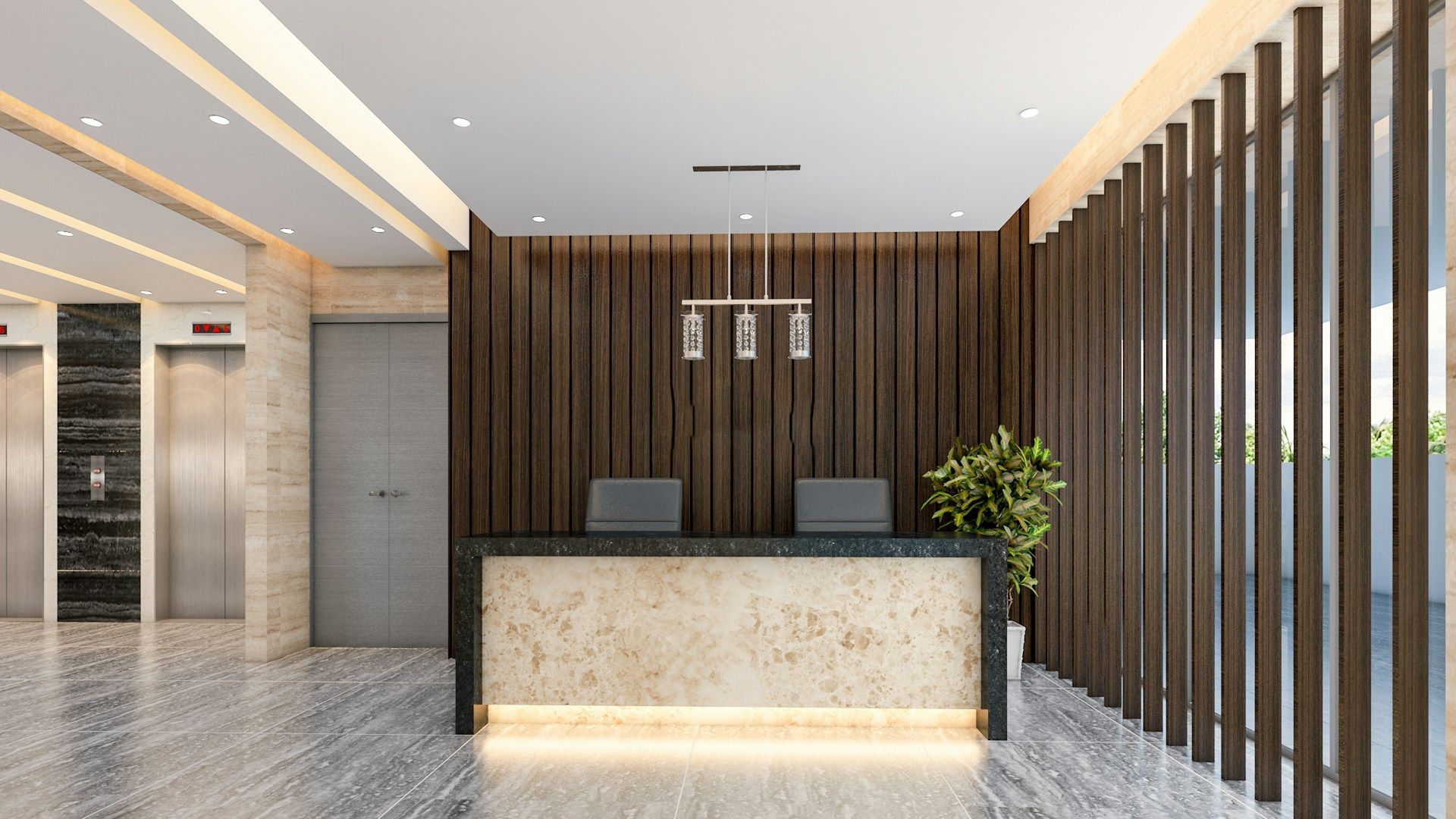
In retail and other customer‑facing spaces, lighting becomes part of the experience. It influences how products are displayed, how customers move through a space, and how the brand is perceived.
Retail environments often rely on a layered lighting approach, combining general illumination with accent and display lighting. Generic lighting solutions can make a space feel flat or uninviting, while thoughtfully designed lighting can highlight products and create a more engaging atmosphere.
Using the same fixtures throughout a retail space without considering purpose and layout can limit flexibility and reduce visual impact.
Exterior and Parking Area Lighting
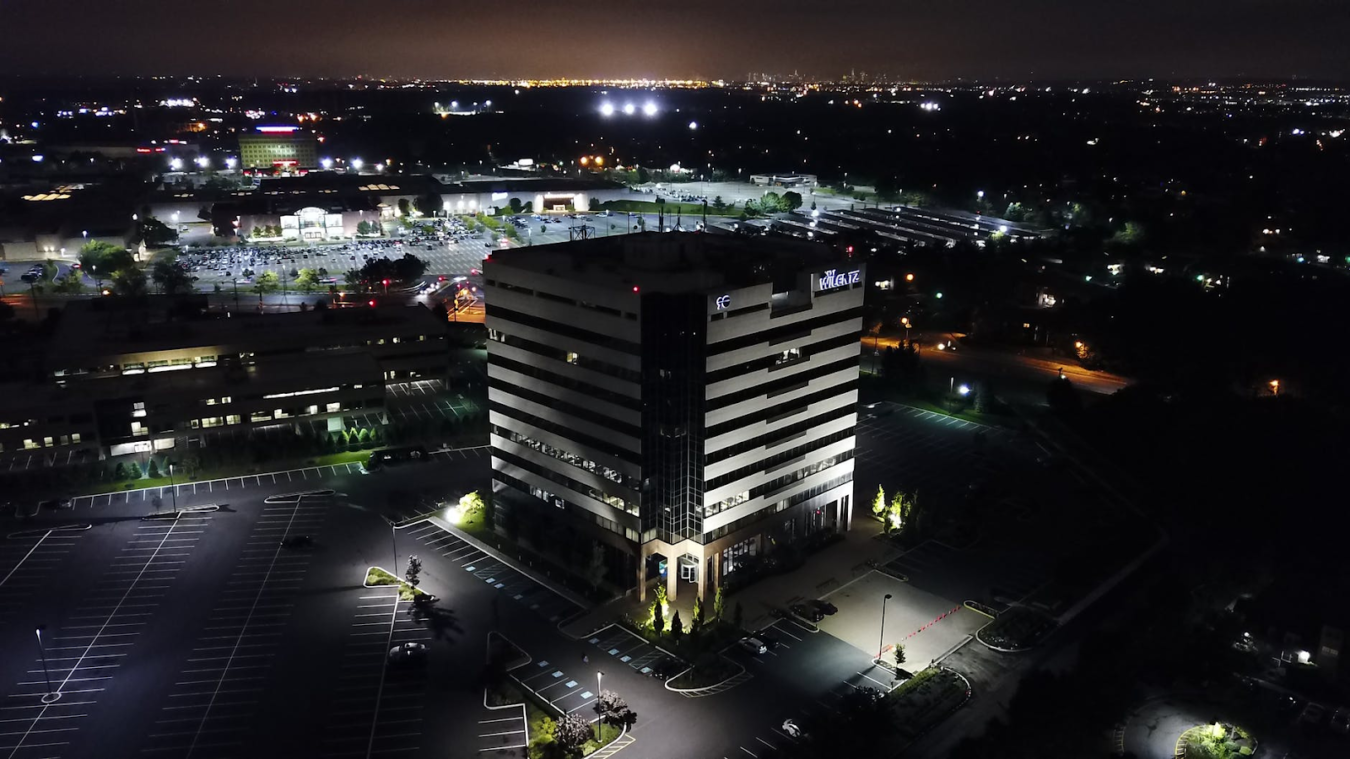
Exterior lighting serves a different set of priorities altogether. Safety and visibility after dark are the primary goals, along with consistency and reliability.
Parking areas and building exteriors require lighting that minimizes shadows, improves wayfinding, and enhances security. These spaces also face environmental exposure, making fixture selection and placement especially important.
Applying interior lighting strategies outdoors or treating exterior lighting as an afterthought often leads to uneven coverage and unnecessary maintenance challenges.
Why Copy‑and‑Paste Lighting Designs Fall Short
When the same lighting solution is used across multiple environments, it rarely performs well in all of them.
Mismatched lighting can lead to higher energy use, increased maintenance, and dissatisfaction from the people who rely on the space.
In many cases, the cost of correcting lighting issues after installation exceeds the cost of planning properly from the start. What seems like a shortcut often turns out to be an expensive lesson.
The Value of a Tailored Lighting Approach
A tailored lighting strategy considers how each space functions today, and how it may change in the future. It looks beyond fixtures and wattage to consider layout, controls, operating hours, and long‑term goals.
By designing lighting around how a facility is actually used, businesses can improve performance, reduce waste, and create spaces that work better for everyone.
Making Smarter Lighting Decisions
Smarter lighting decisions start with asking the right questions. How is the space used? Who occupies it? What safety, efficiency, or experience goals matter most?
Working with professionals who understand commercial lighting design helps ensure that each space gets the lighting it truly needs.
Contact Starbeam Lighting Solutions
If your facility's lighting feels underwhelming, inefficient, or mismatched to how your space operates, it may be time for a more tailored approach.
Starbeam Lighting Solutions works with commercial clients to design lighting systems that align with real‑world use, long‑term goals, and future growth.
Contact us today and see for yourself what your commercial space could look like with enhanced lighting!