Commercial lighting is a world of its own. When we work with property and business owners, they often have a baseline knowledge of their lighting needs to keep their space functional. While this is a significant first step, more specialized knowledge will improve energy savings, safety, and aesthetics.
Let’s define some commercial lighting terms that property owners can benefit from knowing, which can aid them in conversations with lighting specialists.
Commercial Lighting Terms
- Ballasts are devices used to regulate the electrical current to fluorescent lamps, providing the necessary voltage to start and control their operation.
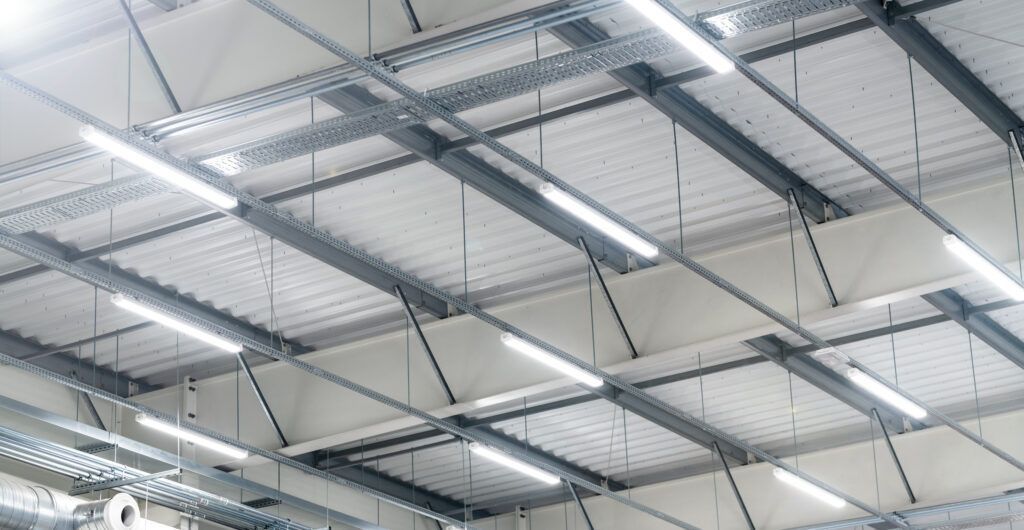
- Bay lighting is a high-intensity fixture commonly used in industrial or commercial settings with high ceilings, such as warehouses and manufacturing facilities.
- Constant current is an LED driver that provides a steady flow of electrical current to maintain consistent brightness levels across LED fixtures.
- Constant voltage is another type of LED driver that maintains a steady voltage supply to LED fixtures and is suitable for applications where multiple LEDs are connected in parallel.
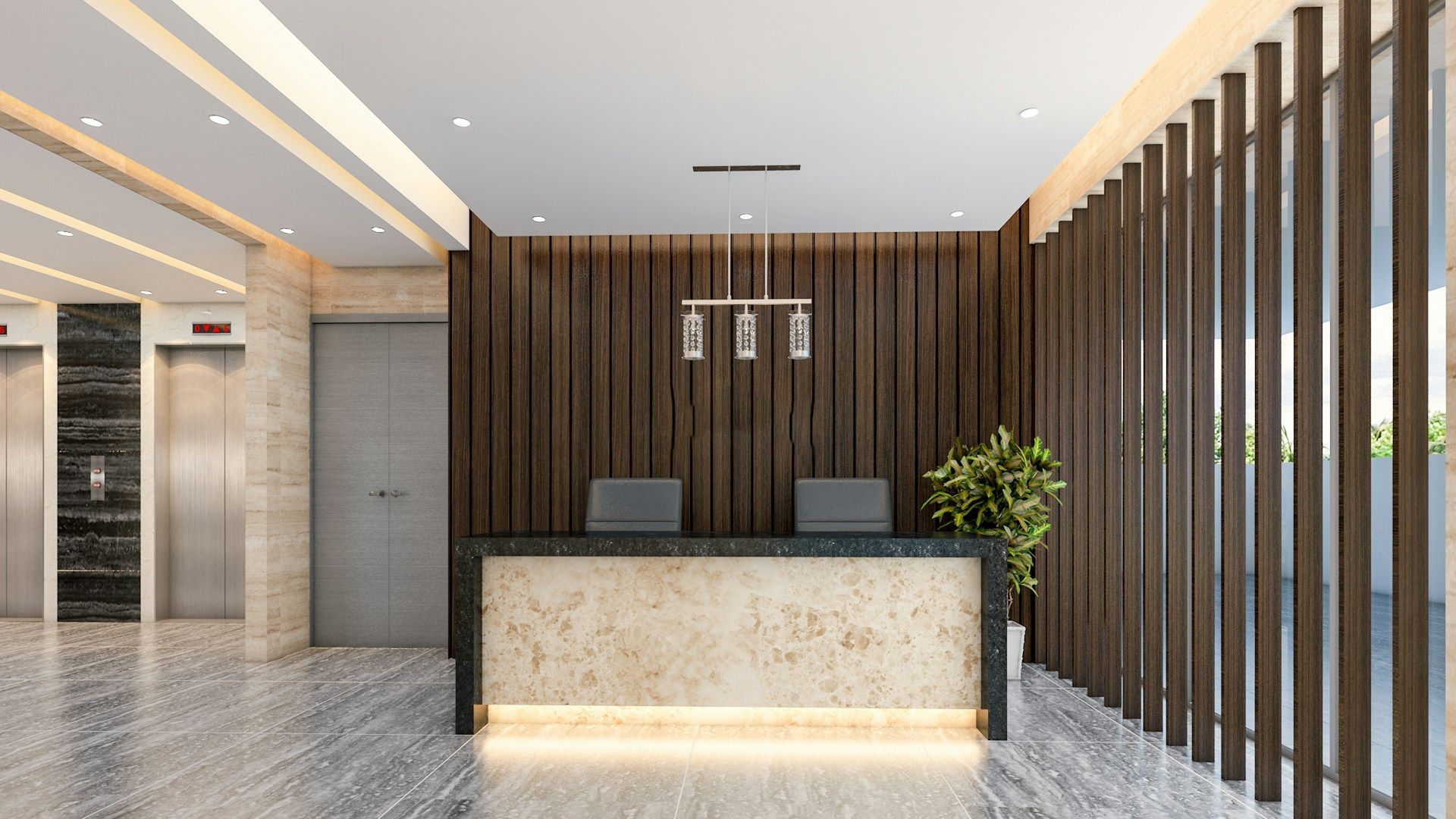
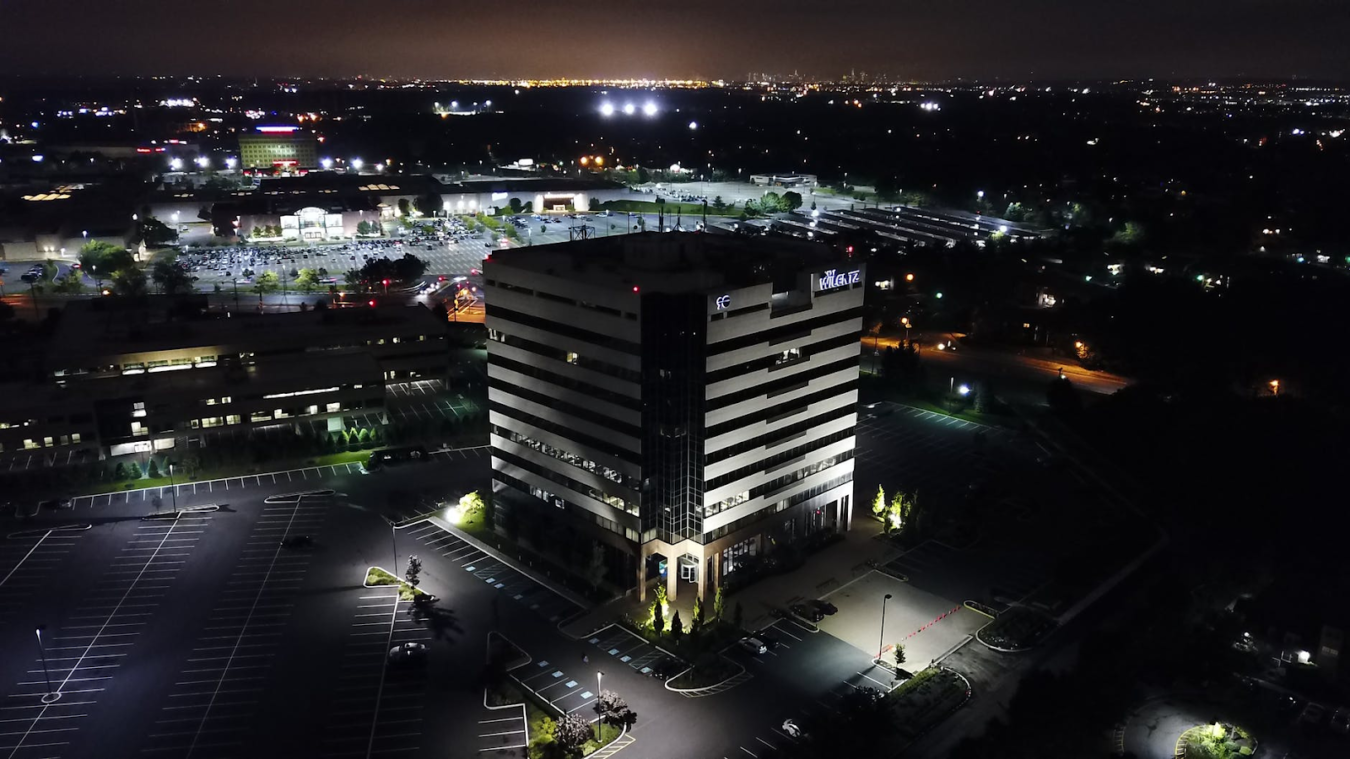
- Commercial lighting is designed specifically for offices, retail stores, and warehouses. It focuses on functionality, aesthetics, and energy efficiency.
- Energy audits are assessments conducted to evaluate a building or facility’s energy consumption and identify opportunities for efficiency improvements.
- Energy-efficiency The ability of a lighting system to produce adequate light output while minimizing energy consumption and waste.
- Horticultural Lighting systems are tailored to the specific needs of plants. They are commonly used in indoor farming, greenhouses, and hydroponic setups.
- Industrial Pendant Lights are hanging light fixtures designed for industrial environments that provide illumination and aesthetic appeal.
- Landscape lighting illuminates outdoor spaces such as gardens, pathways, and architectural features, enhancing aesthetics and security.
- LED,
or Light Emitting Diodes, is a highly energy-efficient lighting technology that produces light by passing electrons through a semiconductor material.
- LED drivers are components that regulate the electrical current flowing to an LED light source, ensuring proper operation and longevity.
- Lighting controls are devices or systems that regulate the output of lighting fixtures, allowing for brightness adjustment, scheduling, and automation.
- Lumens are a measurement unit representing the total amount of visible light emitted by a light source, indicating its brightness.
- Rebates are financial incentives utility companies or governments offer to encourage the adoption of energy-efficient lighting solutions. They are often based on energy savings achieved.
- Recessed lighting fixtures are installed into a hollow opening in a ceiling, providing a clean and unobtrusive lighting solution.
- Reflectors are components of lighting fixtures that redirect and focus light output, improving efficiency and directing light where it’s needed most.
- Track lighting fixtures are mounted on a track system, allowing for adjustable positioning and direction of light sources. They are commonly used in retail and gallery settings.
- Watts is a measurement unit representing the amount of power a light source consumes. It often indicates energy consumption.
Work With Starbeam Lighting Solutions
Here at Starbeam Lighting Solutions, we are dedicated to helping commercial property owners optimize their lighting solutions. Through lighting audits and tailored recommendations, Starbeam can assist you in achieving the perfect lighting setup for your property.
Invest in the right lighting solutions today and experience the positive impact they can have on your business. Contact us today!
The post Commercial Lighting Terms Property Owners Should Learn appeared first on Starbeam Lighting.