Many Americans spend much of their weekly time in an office building. Employers can (and should) work to create a comfortable space for their team, and lighting is an integral part of the equation. Which lighting types and placements help improve productivity? Let’s discuss ways commercial building owners can improve office lighting.
Switch to LED Lighting
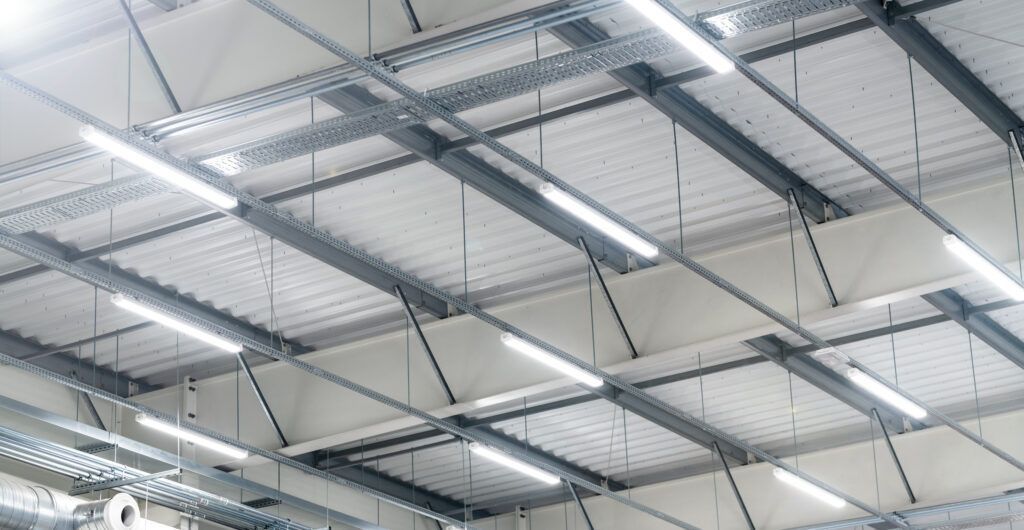
LED lights are the gold standard for energy efficiency and longevity. By switching from traditional fluorescent or incandescent bulbs to LEDs, offices can reduce energy costs, minimize maintenance needs, and enjoy higher-quality lighting.
Optimize Natural Lighting
Harnessing natural light saves energy and offers numerous benefits to employees. Position workstations near windows or install skylights to maximize daylight exposure, which lighting experts recommend to enhance mood, increase productivity, and foster a sense of well-being.
Use Task Lighting
Individual task lighting , such as desk lamps or under-cabinet lights, allows employees to customize lighting levels according to their tasks and preferences. These lighting fixtures can minimize eye strain, improve focus, and enhance comfort.
Install Dimmers
Incorporating dimmer switches or adjustable lighting fixtures enables offices to control light intensity throughout the day or in specific areas. Dimming lights create a more relaxed ambiance, promote energy savings, and enhance employee comfort.
Consider Color Temperature
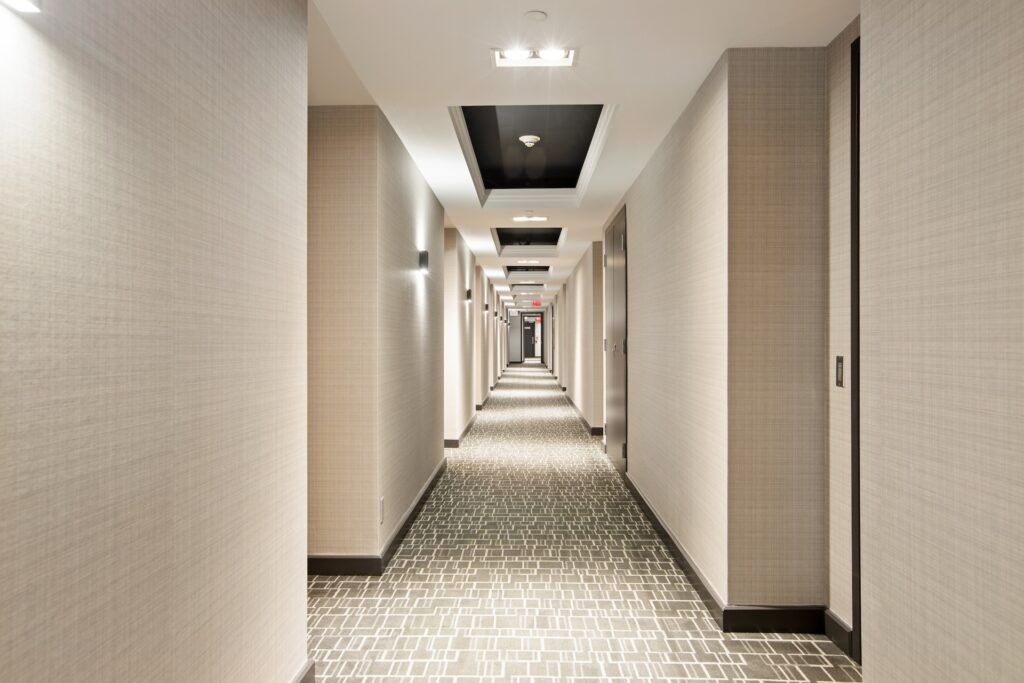
The color temperature of lighting can significantly impact a space’s atmosphere. Cooler temperatures (5000-6500 Kelvin) are ideal for task-oriented areas, while warmer temperatures (2700-3500 Kelvin) create a cozy feel in relaxation or social spaces.
Implement Circadian Lighting
Mimicking natural daylight patterns through circadian lighting systems helps regulate employees’ sleep-wake cycles, improve mood, and increase alertness. This innovative approach to lighting design promotes overall well-being and productivity.
Reduce Glare
Glare from light fixtures can cause discomfort and hinder productivity, especially when working on computer screens. Positioning lights strategically and using glare-reducing bulbs or coatings minimizes glare, creating a more comfortable visual environment.
Ensure Uniform Lighting
Maintaining consistent lighting levels throughout the office is essential for employee comfort and productivity. Employ lighting design techniques to achieve uniformity without sacrificing aesthetics, glare control, or energy efficiency.
Enhance Accessibility
Offices must meet accessibility standards to accommodate employees with visual impairments. Providing adequate illumination, using contrasting colors, and optimizing brightness levels improve visibility and navigation for all employees.
Incorporate Lighting Controls
Installing lighting control systems, such as occupancy sensors or timers, automates lighting adjustments based on occupancy and daylight levels. Lighting control systems can save energy and ensure the office uses lights efficiently and only when needed.
Consider Biophilic Design
Integrating biophilic elements into the office environment, such as natural materials, plants, or views of nature, enhances employee well-being and connection to the outdoors. Combining natural and artificial lighting creates a harmonious workspace that inspires creativity and boosts morale.
Regular Maintenance
Scheduled maintenance and cleaning of lighting fixtures are essential for optimal performance and efficiency. Promptly replacing bulbs when they dim or flicker ensures consistent lighting quality and prevents disruptions to workflow.
Work With Starbeam Lighting
Prioritizing lighting design in office spaces is critical to unlocking the full potential of your workforce. By implementing these 12 strategies, businesses can create an environment that promotes productivity, enhances mood, improves accessibility, and elevates the overall aesthetic appeal of the workspace. Illuminate your success with thoughtful lighting solutions tailored to meet the needs of your employees and your business.
Starbeam Lighting Solutions is committed to helping commercial property owners in Greater St. Louis maximize their energy efficiency through lighting solutions and other energy-saving measures. We can create greener, more sustainable workplaces while reducing operational costs. Contact us today to get started!
The post Ways to Improve Your Office Lighting appeared first on Starbeam Lighting.