In commercial real estate, the importance of exterior lighting goes beyond mere visibility—it’s a key player in creating a safe and aesthetically pleasing environment. Whether you’re managing an office building, warehouse, or retail store, thoughtful lighting can significantly impact your property’s security and visual appeal.
Let’s explore exterior lighting fixtures and strategies that can elevate your commercial space.
LED Wall Packs
LED Wall Packs are the unsung heroes of commercial lighting. These fixtures are mounted on building exteriors and provide a robust and uniform glow, ensuring your property stands out even on the darkest nights. They are a favorite among property owners because of their energy efficiency and longevity, translating to lower maintenance costs in the long run.
Floodlights with Motion Sensors
When it comes to security, proactive measures can make all the difference. Floodlights equipped with motion sensors are an intelligent choice for deterring intruders. These lights spring to life upon detecting movement, flooding the area with light and simultaneously cutting down on energy consumption when not needed.
Bollard Lights
Bollard lights are more than just functional—design elements that guide pedestrians and define pathways. Their versatility extends to enhancing landscaping or architectural features, making them a dual-purpose addition to your property. With various designs available, you can choose bollard lights that seamlessly blend with your property’s aesthetics.
Canopy Lighting
Canopy lighting is a must for gas stations, building entrances, or covered walkways. These fixtures provide ample illumination and enhance safety and visibility in areas with overhead structures. Opt for energy-efficient LED options to keep maintenance costs at bay.
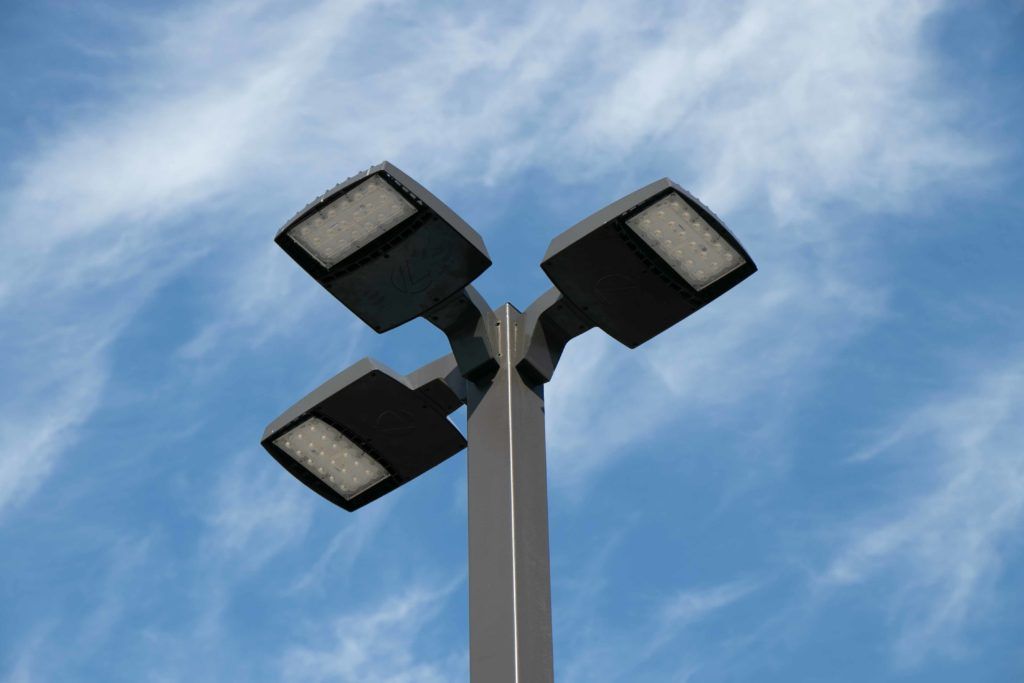
Pole-Mounted Area Lights
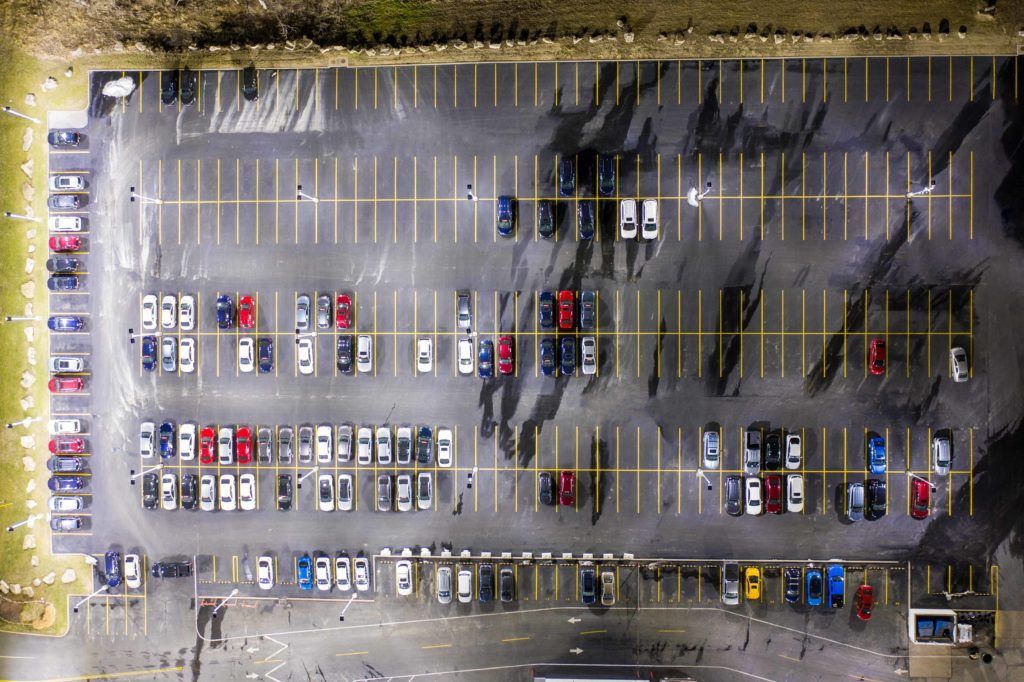
Pole-mounted area lights are the go-to solution for expansive outdoor areas like parking lots. They ensure even light distribution, enhancing security and creating a well-lit environment. Adjustable fixtures allow you to tailor the lighting angles to your property’s unique layout.
Step Lights
Never compromise safety regarding staircases, ramps, or elevation changes. Step lights provide subtle, low-level illumination, ensuring visitors confidently take every step. Opt for LED step lights for their energy efficiency and durability.
Step lights are also vital during the late fall and winter months. Midwest business owners know that stairs can get slippery from light dustings of snow or patches of ice. Ideally, you should salt your steps and keep them clear of these hazards, but the extra lighting will add another layer of safety for your visitors.
Architectural Uplighting
Transform your commercial property into a nighttime masterpiece with architectural uplighting. This technique highlights the beauty of buildings, trees, or sculptures, adding a touch of elegance to your property. The result is a visually appealing atmosphere that leaves a lasting impression.
Smart Lighting Systems
Bring innovation to your commercial property with smart lighting systems. These systems allow you to create dynamic and programmable lighting scenarios. Schedule lighting based on usage patterns to optimize energy efficiency and enjoy the convenience of remote monitoring and control.
Switching to LED
Switching to LED lighting, especially for outdoor applications, is a transformative step toward energy efficiency, sustainability, and cost-effectiveness. LED lights have revolutionized the lighting industry with their remarkable advantages. They consume significantly less energy than traditional lighting sources, resulting in substantial cost savings on electricity bills. The longevity of LED bulbs is noteworthy, reducing the frequency of replacements and minimizing maintenance expenses for commercial property owners. Furthermore, LEDs emit directional light, ensuring more focused and efficient illumination, a crucial aspect for outdoor lighting where precision is paramount.
Sustainability Matters
Beyond the economic benefits, LED lighting contributes to environmental conservation by reducing carbon footprints. With their durability, energy efficiency, and positive environmental impact, switching to LED lighting is not just a practical decision—it’s a commitment to a brighter, greener, and more sustainable future for commercial properties.
Work With Starbeam Lighting
The proper exterior lighting is a blend of functionality and aesthetics. By carefully selecting fixtures and implementing strategic lighting solutions, commercial property owners can create an environment that prioritizes safety and enhances the overall visual appeal. When in doubt, consult a lighting professional to ensure your lighting design aligns seamlessly with your property’s unique characteristics. Illuminate your space, elevate your property, and leave a lasting impression with thoughtfully chosen exterior lighting.
Starbeam Lighting Solutions is committed to helping commercial property owners in Greater St. Louis maximize their energy efficiency through lighting solutions and other energy-saving measures. Together, we can create greener, more sustainable workplaces while reducing operational costs. Contact us today to get started!
The post Exterior Lighting You Should Add To Your Property appeared first on Starbeam Lighting.