Light plays a crucial role in the growth and development of plants. In nature, plants rely on sunlight for photosynthesis, which converts light into chemical energy. However, when it comes to indoor gardening, natural sunlight may not always be available or sufficient. That’s where horticultural lighting comes in.
Understanding Different Types of Horticultural Lighting
Before diving into the do’s and don’ts of horticultural lighting, it’s essential to understand the different types of lighting options available:
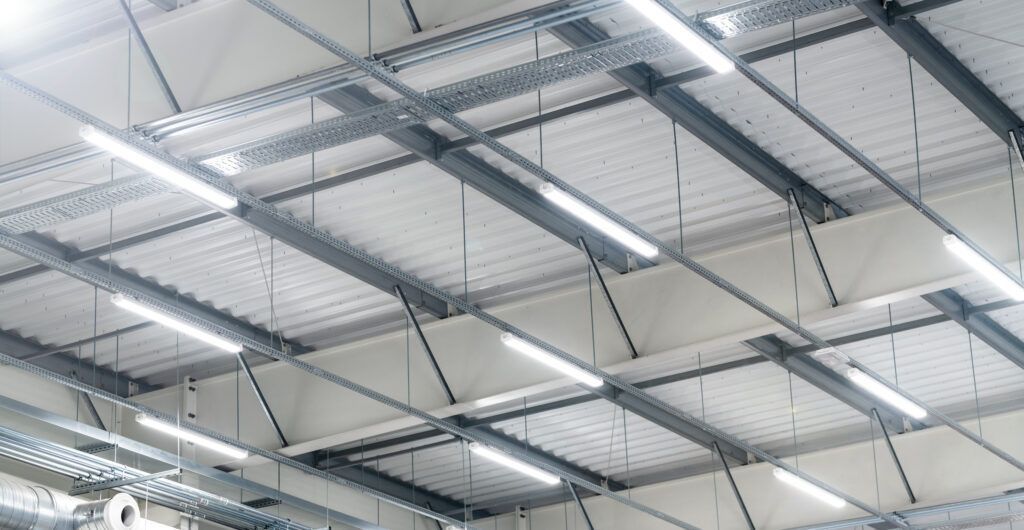
- Fluorescent lights are popular among indoor gardeners due to their affordability and versatility. They are available in various spectrums, making them suitable for different stages of plant growth.
- High-Intensity Discharge (HID) lights HID lights, including Metal Halide (MH) and High-Pressure Sodium (HPS) lights, are known for their high output and efficiency. MH lights are ideal for the vegetative stage, while HPS lights are more suitable for the flowering stage.
- Light-emitting diode (LED) lights have gained popularity recently due to their energy efficiency and customizable light spectrums. They can be tailored to provide the specific wavelengths of light that plants need at different growth stages.
Now that we have a basic understanding of the different types of horticultural lighting, let’s explore the do’s and don’ts to ensure successful implementation.
The Do’s of Horticultural Lighting
To maximize the benefits of horticultural lighting, here are some key considerations to keep in mind:
Selecting the Right Lighting Fixtures for Your Plants
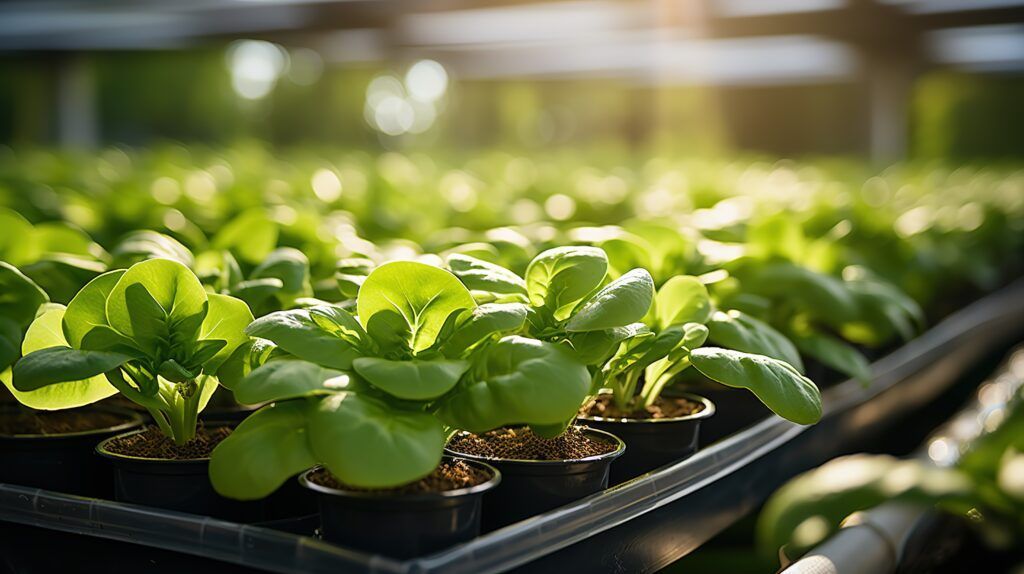
When choosing lighting fixtures, consider the specific light requirements of your plants. Different plants have varying preferences for light intensity and spectrum. Leafy greens, for example, thrive under cooler lighting conditions, while flowering plants require a combination of warm and cool lights. Research the light requirements for your specific plant species and choose fixtures that provide the appropriate spectrum and intensity.
Optimal Lighting Duration and Intensity for Different Plant Stages
Like natural sunlight, horticultural lighting should provide the proper duration and intensity to mimic the day-night cycles. Most plants require 14-18 hours of light daily for vegetative growth. However, some flowering plants may require shorter light periods to trigger the blooming process. Additionally, adjusting light intensity throughout the day can simulate the sun’s movement and create a more natural environment for your plants.
Positioning the Lights Correctly
Proper positioning of horticultural lights is crucial to ensure uniform light distribution and prevent shadowing or light burn. Hang the lights at an appropriate height, considering the plants’ growth stage and the light’s intensity. As the plants grow tall, adjust the height of the lights accordingly to maintain an optimal distance. Regularly monitor the light distribution and adapt to ensure equal coverage across the plant canopy.
The Don’ts of Horticultural Lighting
While horticultural lighting can significantly benefit your indoor garden, there are a few common mistakes and pitfalls to avoid:
Overexposure to Light
Just as insufficient light can hinder plant growth, overexposure to light can be equally detrimental. Excessive light exposure can lead to photoinhibition, where plants become overwhelmed by too much light energy. This exposure can result in stunted growth, leaf bleaching, or even plant death. Be mindful of the light intensity and duration, and ensure that your plants have adequate periods of darkness for proper rest and recovery.
Using the Wrong Light Spectrum
Different plant species have specific light spectrum requirements for optimal growth. Using the wrong spectrum can negatively impact plant development and yield. For instance, providing too much blue light during the flowering stage can inhibit flower formation. Research your plants’ light needs and invest in fixtures or bulbs that offer the appropriate spectrum for each growth stage.
Neglecting To Monitor Heat Levels
Horticultural lighting can generate significant heat, especially with high-intensity lights. Neglecting to monitor and control heat levels can lead to plant heat stress, causing wilting, leaf damage, or even death. Ensure proper ventilation and cooling systems are in place to maintain an optimal temperature range. Regularly monitor the temperature and adjust lighting or cooling systems to prevent heat-related issues.
Maintaining and Troubleshooting Horticultural Lighting Fixtures
Regular maintenance is essential to ensure your horticultural lighting fixtures’ longevity and optimal performance. Here are some maintenance tips:
- Clean the fixtures regularly to remove dust and debris that can reduce light output.
- Check for any signs of wear or damage and replace bulbs or components as needed.
- Monitor the performance of the lights and keep a record of their lifespan to plan for replacements.
- Inspect electrical connections regularly and ensure they are secure and free from corrosion.
If you encounter any issues with your horticultural lighting system, troubleshooting steps may include:
- Checking power supply : Ensure the lights receive power and the electrical connections are secure.
- Examining the bulbs : Inspect the bulbs for any signs of damage or malfunction. Replace any faulty bulbs.
- Inspecting the wiring : Check the wiring for loose connections, frayed wires, or other signs of damage. Repair or replace as necessary.
Work With Starbeam Lighting
Investing in a well-designed horticultural lighting system and properly maintaining it will ensure your plants receive the light they need for healthy growth and abundant yields. Stay informed about advancements in horticultural lighting technology, as they may offer even more innovative solutions. With the proper lighting techniques, you can unlock your indoor garden’s or greenhouse’s full potential and achieve remarkable results.
Beyond horticultural lighting, our Starbeam Lighting team is here to help with all your commercial lighting needs. Through lighting audits and tailored recommendations, Starbeam can assist you in achieving the perfect lighting setup for your property.
Invest in the right lighting solutions today and experience the positive impact they can have on your business. Contact us today!
The post Horticultural Lighting: Do’s and Don’ts appeared first on Starbeam Lighting.