LED Lighting Creates Healthier Workplaces. Think about these stats: There were 2.8 million non-fatal workplace injuries and illnesses reported in 2018. A recent survey showed that 94% of Americans experienced stress at work, and another poll revealed that two-thirds of employees experience burnout on the job. While organizations look for more effective ways to promote on-the-job wellness, one often-overlooked strategy is upgrading to flicker-free LED lighting.
What is light flicker?
Have you noticed that the traditional lighting in your facility seems to be flickering? It probably is — this is a common occurrence with fluorescent lights when they have a frequency below 100Hz (cycles per second), causing the light to start flashing on and off. It can be attributed to variations in voltage from power sources or dimmer switches.
While everyone is sensitive to light flicker, some can be impacted by it more than others. It can contribute to eye strain, fatigue, and migraine headaches, all of which can impact employee productivity and even absenteeism. Individuals on the autism spectrum and those with certain types of epilepsy are especially hypersensitive to light flicker.
Now there’s flicker-free LED lighting to avoid these issues. LED lights can provide a more continuous spectrum of light and provide more natural lighting. LED lighting also has the benefit of boosting productivity and improving concentration. It’s important to work with a distributor who can help guide you in the right direction when considering switching out the flickering lights in your facility. Not all LED lights are created equal, and lower-quality lights can still flicker but an experienced lighting pro will give you choices that are right for your retrofit project.
Which industries benefit from flicker-free LED lights?
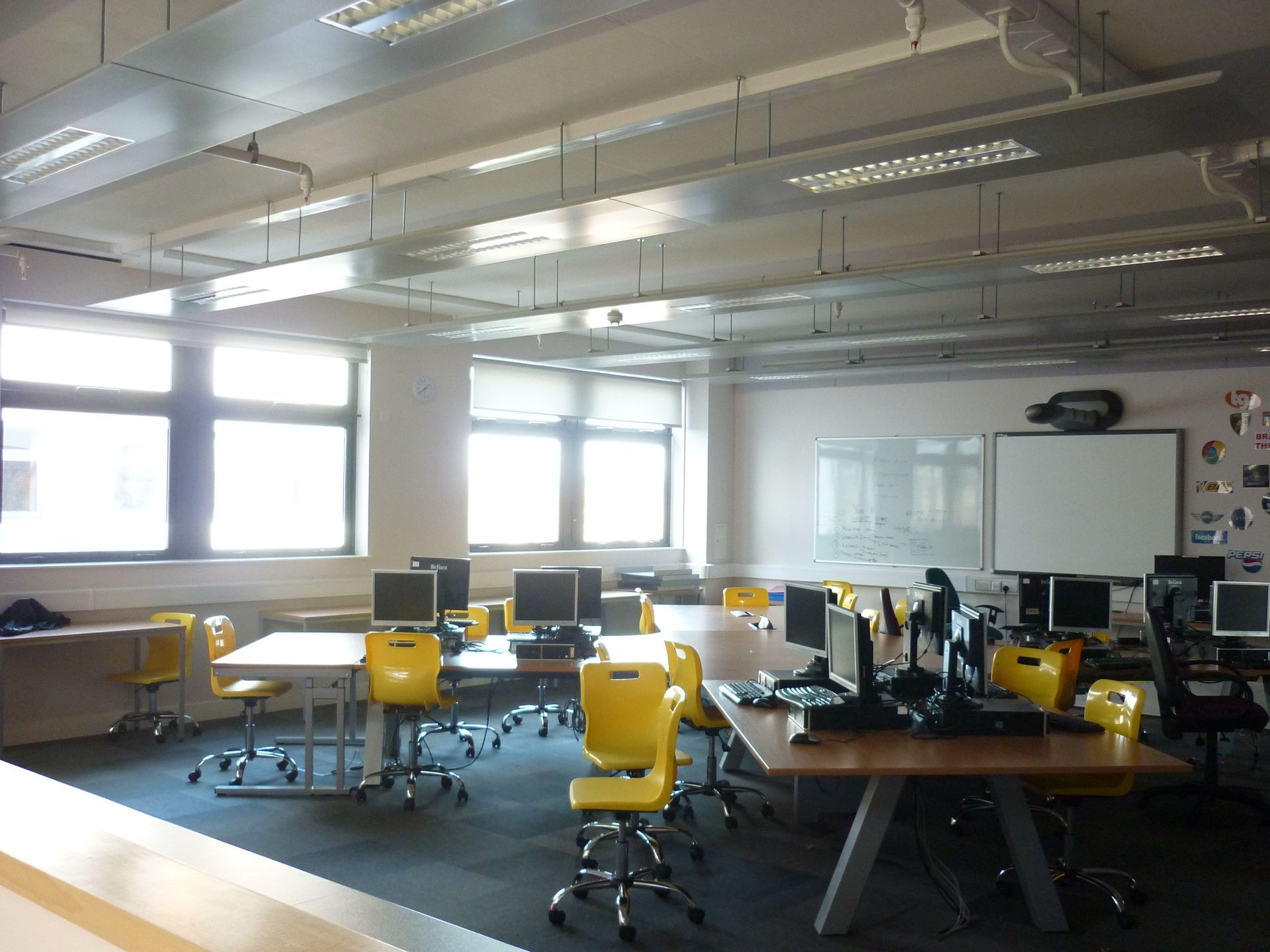
Educational: Decision-makers in the educational field are always looking for ways to help improve the performance of students and the quality of learning, and proper lighting is part of this process. Flicker-free lighting improves concentration and productivity in the classroom and even improve test scores.
Healthcare: Doctors and nurses are facing burnout at alarming rates, and healthcare costs are skyrocketing. Making the move to flicker-free LEDs can provide a more natural lighting option, reduce medical error, improve patient outcomes, and help reduce provider stress.
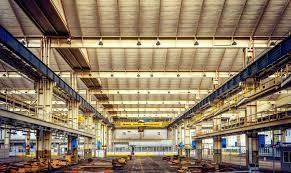
Warehouse & industrial: Light flickers can impede visibility in warehouses and industrial spaces, which can increase the chance of serious injury. It can also contribute to fatigue, another cause of productivity loss and accidents in a warehouse. Flicker-free LEDs can vastly improve lighting in dark, potentially unsafe corners of your facility.
Offices: Lighting can have a huge impact on worker productivity and health, and while natural light is best, not all office spaces have the option of adding windows. When making the switch over to LED lights in the workplace, opt for flicker-free products to help your company’s most valuable assets — your employees.
What are the other benefits of LED lights?
- Energy efficiency – LED lights use 90% less energy because their light source is smaller, easily directed, and emits very little heat, which makes them more efficient than traditional bulbs.
- Lifespan – Traditional bulbs last about 1500 hours while LED bulbs can be used for up to 60,000 hours, offering serious ROI throughout their use
- Safety – Lower heat emission means LED lights can be left on for extended periods, they reduce injury and fire risk, and they are non-toxic
- Color choice – A range of colors makes LED lighting perfect for a variety of applications, plus they are are dimmable and adjustable
- Durability – LEDs are sturdier and more durable because they are solid express lighting devices and use a semiconductor instead of filament
Does making the switch really pay off?
It’s easy to avoid making the switch to flicker-free LED lighting because of the cost investment, but a multitude of case studies show the benefits. A medical center in Alabama retrofitted their 319,000-square-foot facility for a healthier source of light and it was met with rave reviews from workers and maintenance staff. Even the US Navy has reported that LED lighting has reduced fuel costs and improved sailor safety.
Are you curious about your options for flicker-free LED? It’s a great way to make your workplace safer and healthier, your employees more productive, and your organization more sustainable. Our lighting pros can perform an audit to show you first-hand how LED lighting can help. If you’d like to learn more about us first, we invite you to do that as well. Starbeam is here for you in whatever way you need, so please don’t hesitate to reach out today.
The post How LED Lighting Creates Healthier Workplaces appeared first on Starbeam Lighting.