Warehouse Lighting Best Practices. You have a lot of design elements to consider when creating a warehouse space that works, but perhaps the most overlooked is the lighting. With 95 million lost workdays attributed to accidents, safety is the most important reason to invest in top-quality lighting for your warehouse. You’ll end up with a safer, more productive workforce and a top-notch business reputation.
So what exactly does “good” warehouse lighting look like? Our experts share our professional, experienced insight.
Understanding warehouse layout
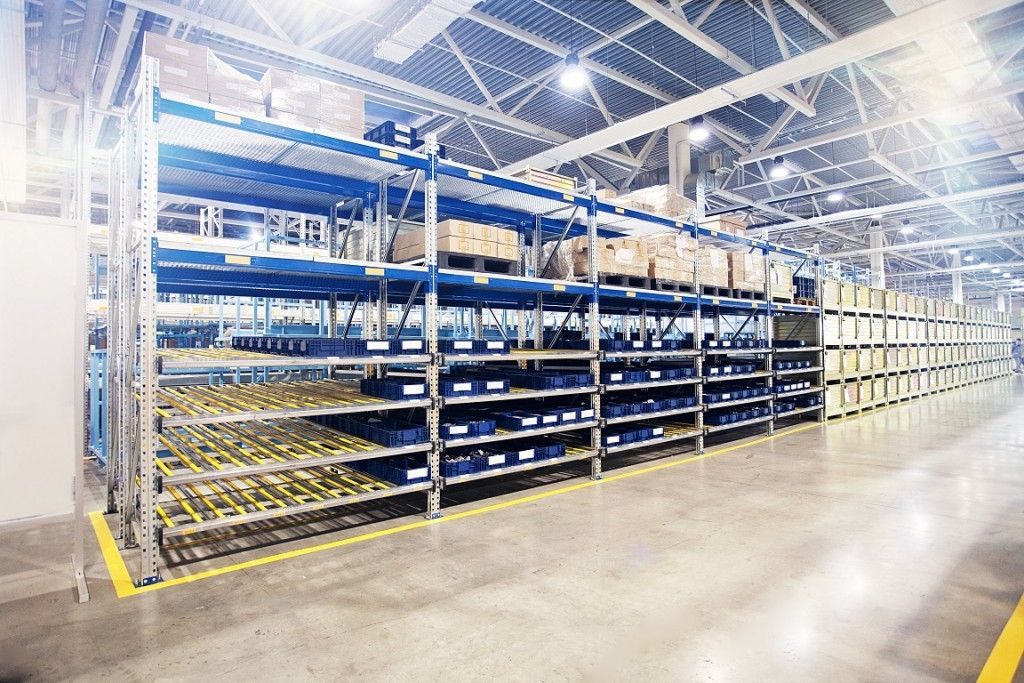
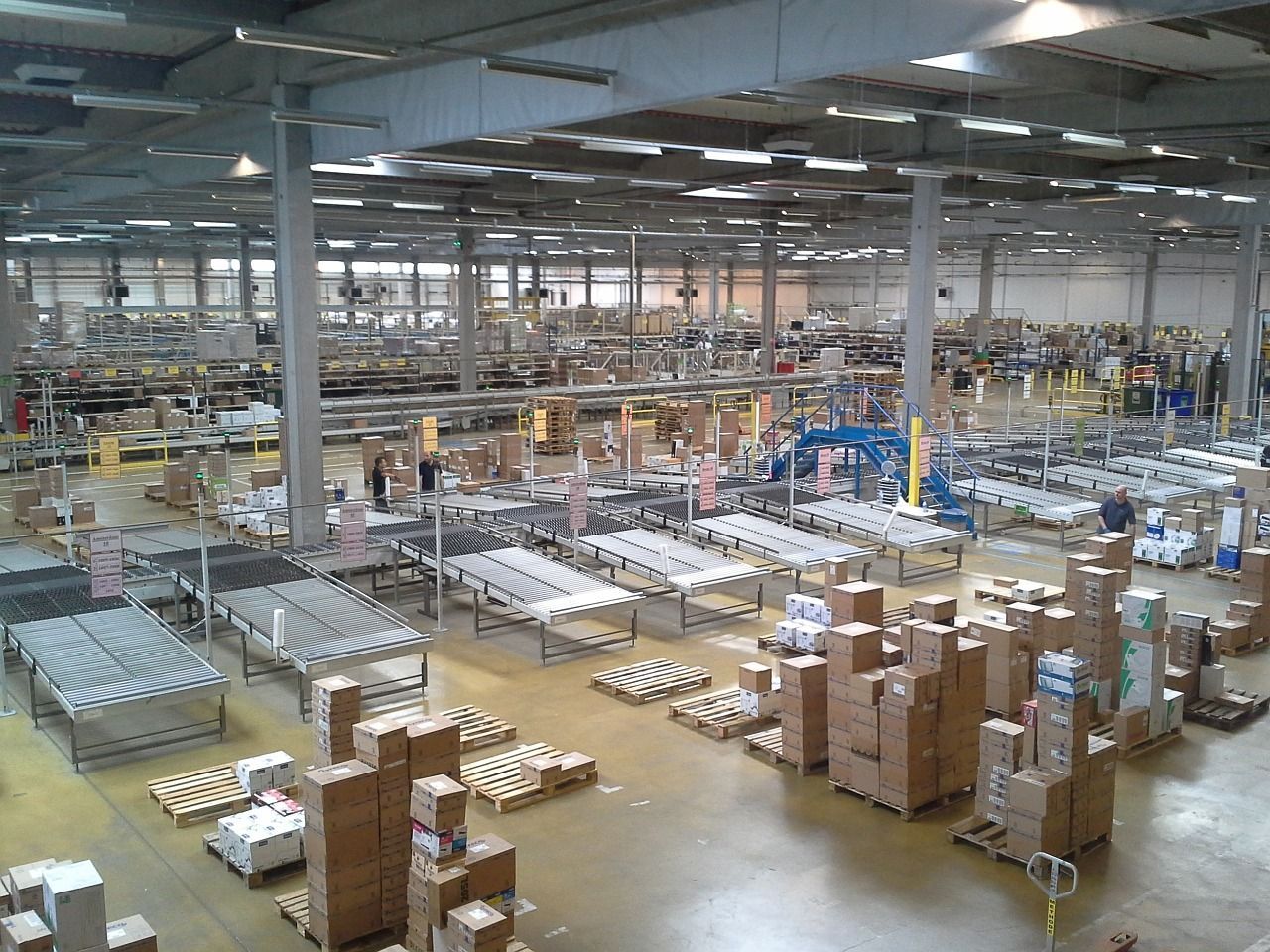
Before you make a lighting purchase, take a good, long look at the footprint of your warehouse. Are there areas where natural light is abundant? Use fewer lights here, especially around windows, doors, and loading docks. Darker corners may need extra lighting to help illuminate employees as they travel throughout the warehouse.
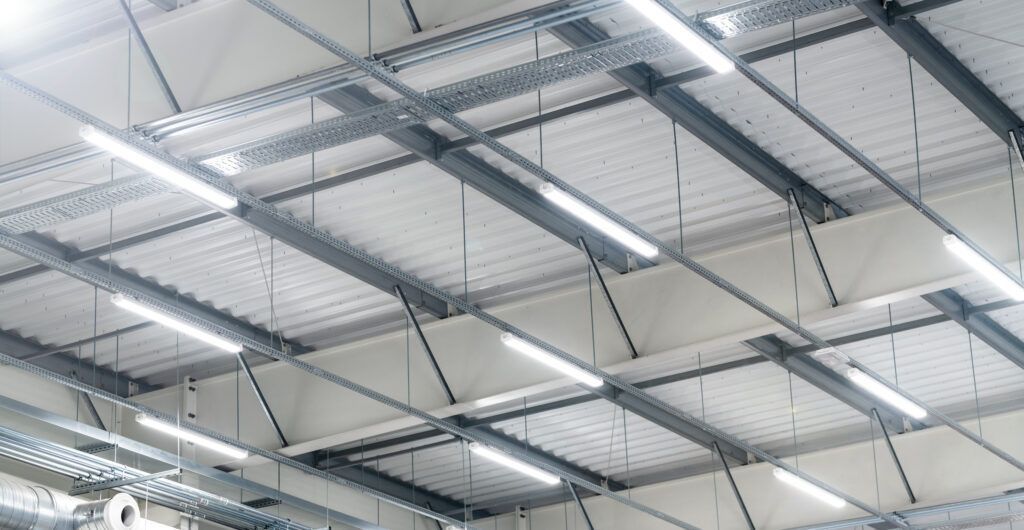
Ceiling height and inventory management also need to be considered. When items are stacked higher or closer to the ceiling, optimize lighting to be brighter. Uplighting can shed light on dark areas between the rafters, and downlighting spotlights the floors and safety elements to help prevent accidents. LED lighting can even be shifted to focus on target areas.
Leverage natural light
As mentioned, your warehouse won’t need as much lighting in areas where natural light is abundant. Remember that in order for those windows or doors to provide light, they can’t be obstructed by machinery, inventory, or even window coverings. That said, sometimes the natural light may be too bright and become a safety risk, which would make it important to add blinds or shades that help occupants control the light. And if you have a 24-hour workday with employees working during the darkness of night, you can’t go without lighting in these sections altogether. Consider choosing adjustable lighting that can change easily as the natural lighting changes outside.
Understand your lighting options
While there are three types of lights that are currently used in warehouses — metal halide, fluorescent, and LED — the most efficient choice is LED. Metal halide has been used the longest and fluorescent lights may be overall less expensive, but LED lighting wins when it comes to being most energy-efficient and cost-effective.
LED lights may be at a higher price-point than older technologies, but they use less energy which saves operating costs in the long run. They can also be dimmable and customized to fit virtually any application and building specification. Check with your utility company; they may have rebates available for making the switch to LED.
Consider color and intensity
Warehouse lighting isn’t isolated to just one color, contrary to popular belief. LED lighting comes in a range of colors that you can mix and match throughout the building. Different lighting in different areas can help employees easily identify products, safely make their way through certain areas, or even mimic natural light for ultimate employee wellbeing.
Timers and dimmers can also help save on energy costs and make workers more comfortable. LED lights have an average lifespan of 50,000 hours. Think about the extra money you’d save on energy bills by using automatic timers that keep lights off when you don’t need them. Dimmers are another great way to adjust the light intensity.
Know your supplier and invest in quality
Not all lighting is created equal, and that’s especially true when you choose LED lights for your warehouse. It’s easy to get sticker shock when looking at the upfront cost of lighting, but in the long run the cheapest option is usually never the best option. Don’t overlook the fixtures either! Remember during a retrofit that the same fixtures you used for fluorescent lights will likely not work with LED bulbs.
Perhaps the best way to ensure you’re getting high-quality lighting is by working with suppliers and installers who have experience and expertise to guide you in the right direction. These lighting partners have the industry insight to help you choose a lighting system that works for your warehouse, and can address issues you may have even after the lights are installed.
Sometimes finding the right lighting for your warehouse is as simple as figuring out what you’re lacking. That’s where we can help. We’ll start by performing a comprehensive audit to find areas for improvement. Then, we’ll work closely with you to choose a lighting system that fits your space and your budget. By understanding your needs, we can make the best recommendation. Whether you need industrial outdoor LED or industrial bay lighting, we can help — get in touch today.
The post Warehouse Lighting Best Practices appeared first on Starbeam Lighting.