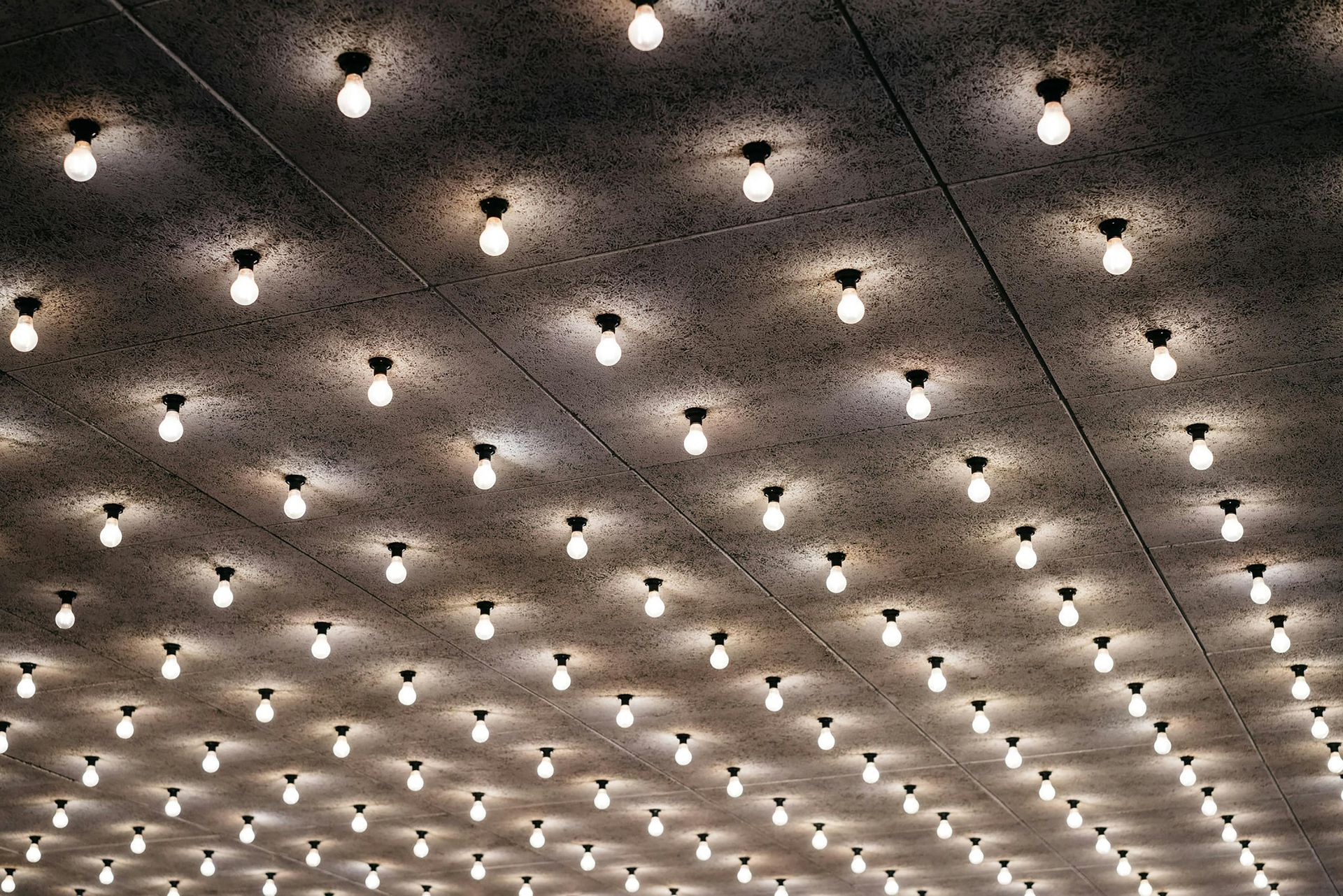
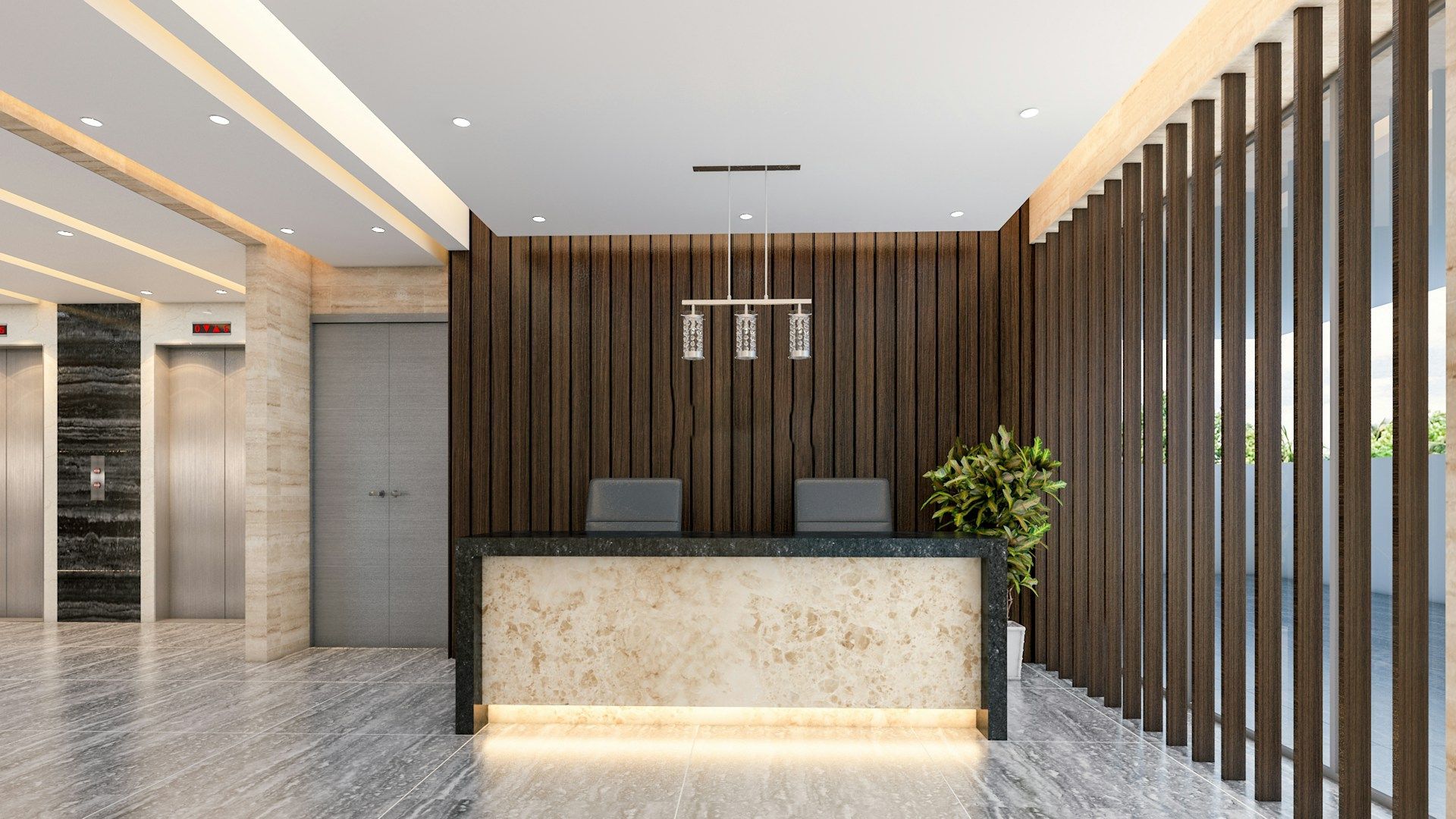
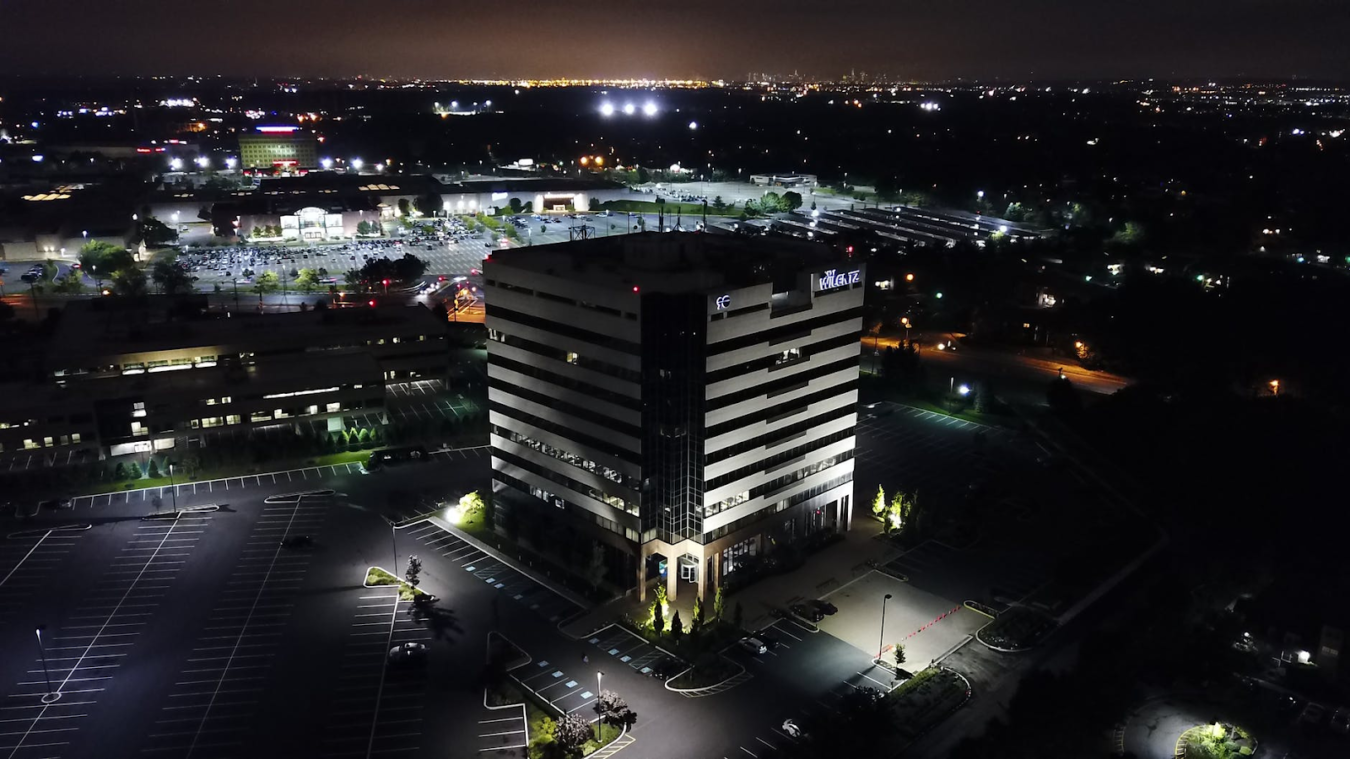
Many people assume that all LED lights are created equal, but a light’s color temperature can completely change the look and feel of a space.
However, “color temperature” does not refer to the colors in a rainbow. Instead, color temperature refers to how warm or cool the light appears, which is measured in degrees Kelvin(K).
On one end of the spectrum, lower temperatures (around 2700K-3000K) give off a soft, golden glow similar to candlelight or a cozy lamp. On the other hand, higher temperatures (5000K-6500K) produce a crisp, blueish-white light that mimics daylight.
The following breakdown explores the science of LED color temperatures and explains how to identify the ideal match for any space.
What is Color Temperature?
Color temperature is the way of describing the visual “tone” or light. Rather than focusing on the hue of the light, color temperature reflects whether the light feels warm and inviting, balanced and neutral, or cool and energizing.
To put it in perspective, lighting on the lower end of the scale (2000K-3000K) creates a cozy atmosphere, while midrange tones (3500K-4100K) showcase a professional balance ideal for the workspace. Higher Kelvin values (5000K-6500K+) mimic the brightness of daylight, enhancing alertness and visibility.
A simple analogy to help illustrate this concept is to imagine the difference between the relaxed glow of a coffee shop and the sharp clarity of a warehouse floor.
Modern technology allows LEDs to replicate the full spectrum of lighting environments. Older systems, like fluorescents or incandescents would not be able to achieve the same precision as LEDs.
Why Does Color Temperature Matter?
Choosing the right color temperature isn’t just about aesthetics. It directly influences how people feel and function within a space.
Mood and Atmosphere
- Warm lighting creates comfort and relaxation, ideal for hospitality and dining.
- Cool lighting promotes focus and alertness; thus, it is best for offices, classrooms, and industrial facilities.
Perception of Space
- Bright, cool lighting makes spaces feel modern, clean, and professional.
- Warm tones foster an inviting, intimate atmosphere.
Health and Productivity
- Lighting affects circadian rhythms, influencing daytime alertness and restfulness at night.
- The right color temperature can boost productivity, concentration, and overall well-being.
Ultimately, selecting the right color temperature ensures that a lighting system saves energy and enhances how people experience the space.
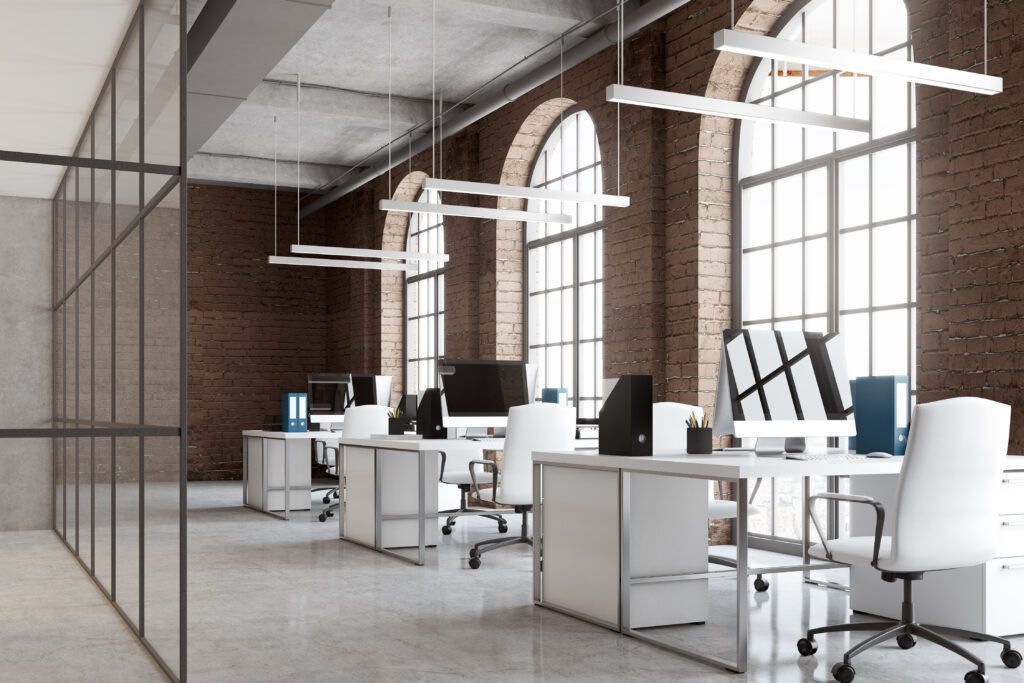
Breaking Down Color Temperature by Environment
Selecting the correct color temperature plays a bigger role in the space than you might imagine.
Balanced neutral white lighting (3500-4100K) promotes focus in commercial and office spaces without harshness. This helps employees avoid fatigue without overly warm or cold lighting.
Retail spaces often have mid-tone lighting (3000K-5000K). Cooler lighting (4000K-5000K) enhances product colors, making displays ‘pop.’
High CRI ( Color Rendering Index) ensures that products and displays appear vibrant and true to life. When paired with the right color temperature, it enhances visibility, creates the desired ambiance, and improves the overall customer experience.
Bright, cool lighting in industrial and warehouse spaces improves visibility and helps reduce accidents. By mimicking natural daylight, it also keeps workers alert and focused during long shifts.
Common Mistakes When Choosing Color Temperature
Choosing the wrong color temperature can undermine both comfort and functionality.
Using overly warm light in workspaces can make employees feel drowsy, while harsh, cool lighting in hospitality settings often creates an uninviting atmosphere.
Another common oversight is ignoring CRI; even a warm light can dull colors if its rendering index is low.
Failing to consider layered lighting can limit flexibility. Combining different temperatures for task lighting and ambient light sometimes produces the most effective and comfortable environment.
Work With Starbeam Lighting Solutions
Selecting the right LED color temperature can completely transform a space, enhancing safety, productivity, sales, and overall ambiance.
With the right approach, lighting becomes more than illumination; it becomes a tool to elevate experiences and outcomes. Don’t just light your space, light it right.
At Starbeam Lighting, we specialize in designing and installing energy-efficient, high-performance lighting systems tailored to your unique space and goals.
Contact our specialists today to schedule a consultation and elevate your organization’s lighting!
The post Picking the Right LED Color Temperature for Your Space appeared first on Starbeam Lighting.