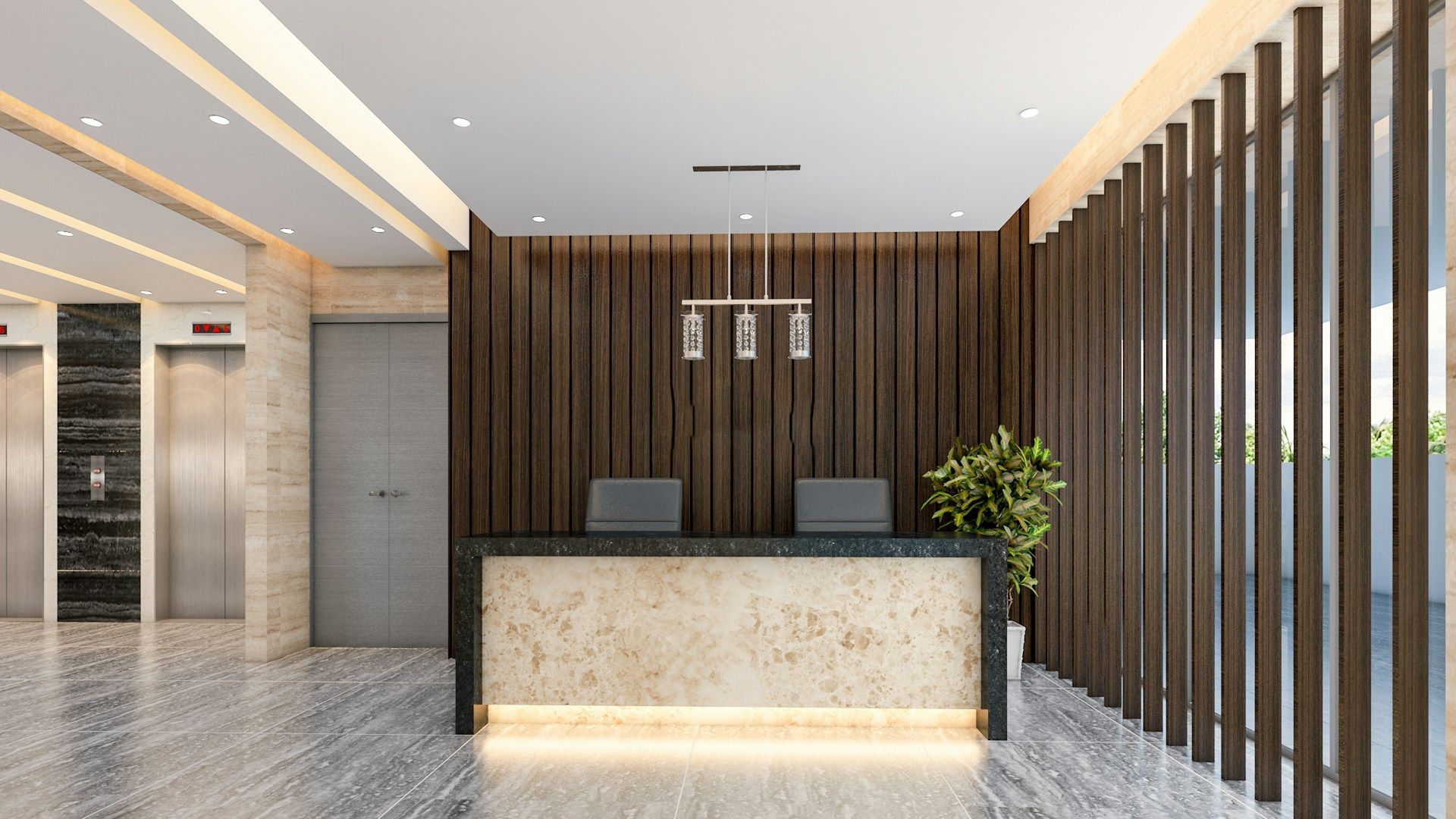
When most people think of lighting in the workplace, they see it as purely functional: a way to brighten a space so people can see what they’re doing.
Lighting is much more than that. The type, quality, and design of commercial lighting significantly impact our health, safety, and overall well-being.
The right lighting choices can transform a commercial space into a healthier and more productive environment, from reducing eye strain to improving mood and preventing accidents.
Explore how commercial lighting affects physical health, mental well-being, and safety, and how businesses can make thoughtful lighting decisions that benefit everyone.
The Link Between Lighting and Physical Health
Lighting plays a direct role in supporting our bodies’ natural rhythms. Exposure to natural or artificial lighting mimicking daylight helps regulate our circadian rhythm , which controls sleep and wake cycles.
When lighting is too dim, harsh, or poorly designed, it can disrupt this rhythm, leading to fatigue and lower energy levels throughout the day.
Poor lighting can also cause eye strain and headaches , particularly in offices and commercial settings where people spend long hours reading screens or paperwork. Adequate brightness and well-placed fixtures reduce glare and shadows, minimizing discomfort and protecting vision health.
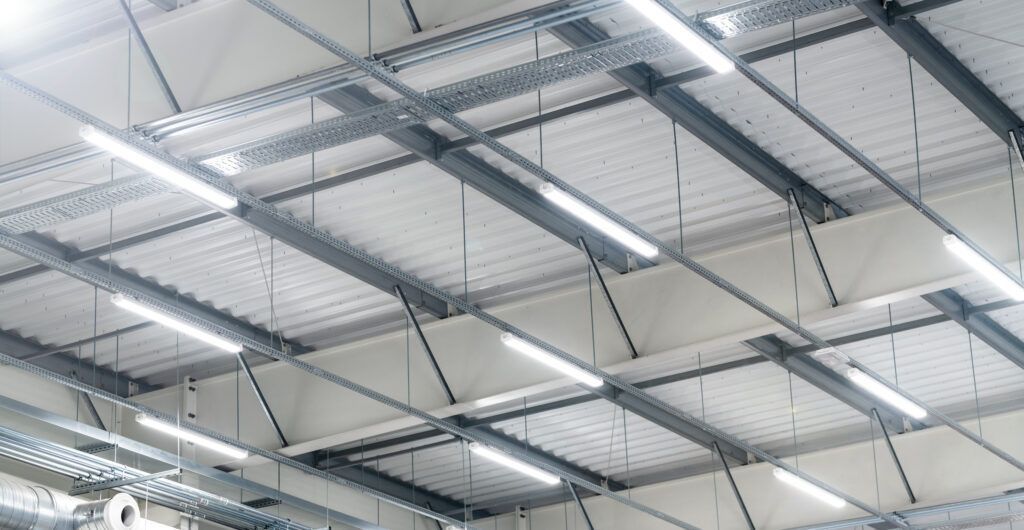
For physical well-being, businesses should prioritize full-spectrum or LED lighting systems that balance brightness, color temperature, and placement to keep employees and visitors comfortable throughout the day.
Lighting and Mental Health
The psychological effects of lighting are often overlooked but extremely powerful. Bright, natural-feeling light can elevate mood, reduce stress, and improve focus. On the other hand, dull or poorly lit environments can feel draining, making people less motivated and more prone to anxiety or fatigue.
Lighting that mimics daylight has been shown to help combat seasonal affective disorder (SAD) , a form of depression triggered by a lack of natural sunlight during the darker months. In retail or office environments, lighting design creates spaces where people feel energized and supported.
Simply put, the right lighting design can boost morale, encourage collaboration, and make commercial environments more inviting.
Safety and Accident Prevention
Lighting is also one of the most essential tools for safety in commercial spaces.
Poorly lit hallways, staircases, or work areas increase the risk of slips, trips, and falls , among the most common causes of workplace injuries. Bright, evenly distributed lighting helps staff and visitors move safely and confidently through a space.
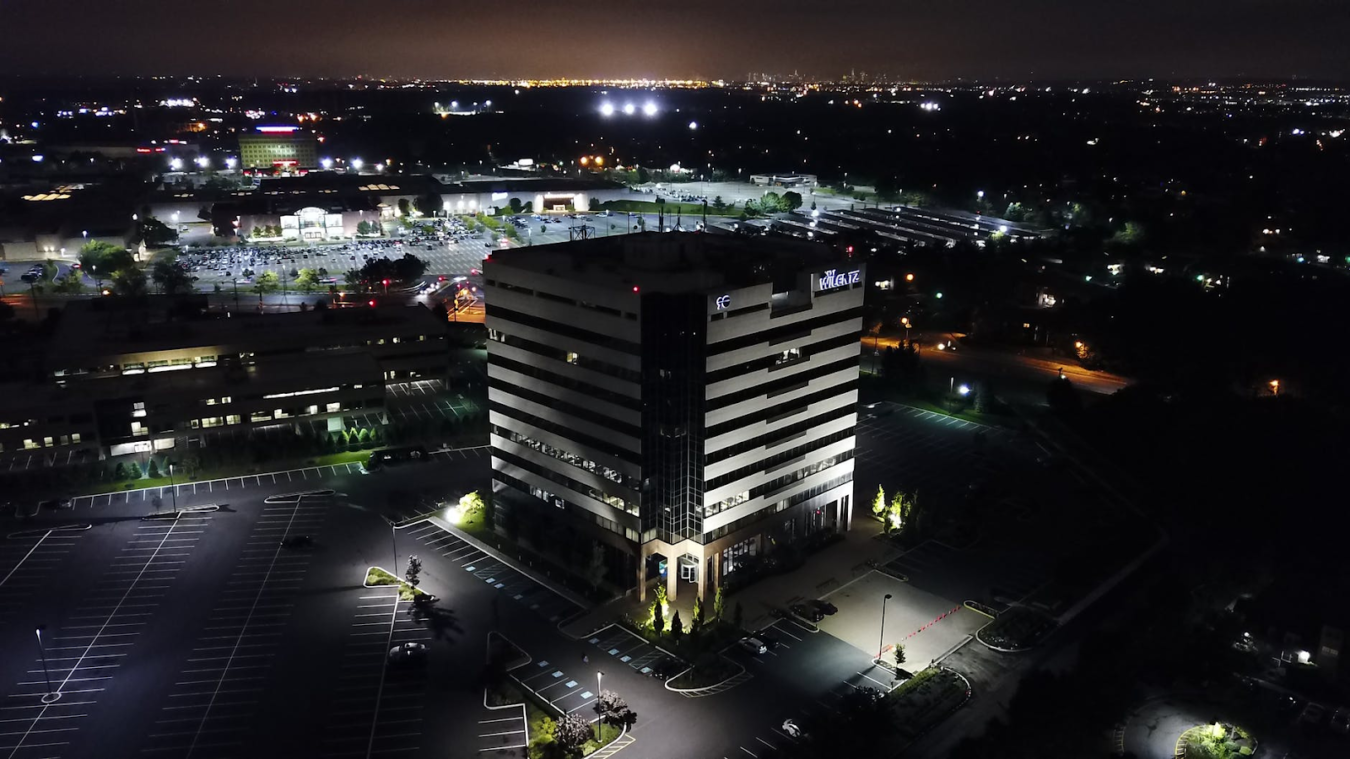
Good exterior lighting is equally important, especially in parking lots or around loading docks. It improves visibility, reduces the chance of accidents, and deters vandalism or theft.
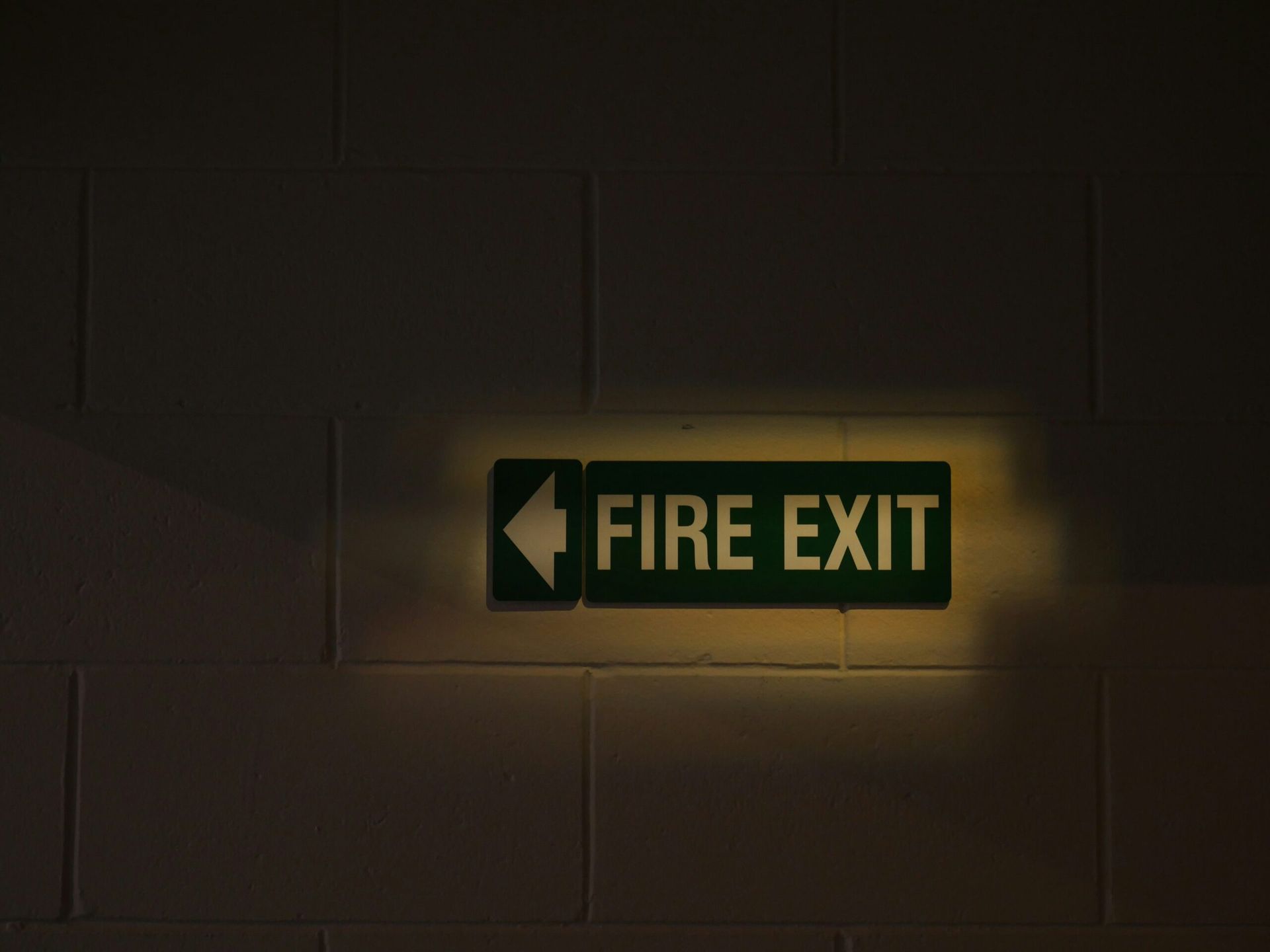
Additionally, emergency and exit lighting systems are vital for helping people evacuate safely during a fire, power outage, or other emergency.
A well-lit commercial property is healthier and far safer for everyone who enters.
Lighting and Productivity in Commercial Spaces
Beyond health and safety, lighting also plays a significant role in workplace performance. Studies have shown that employees working in well-lit environments are more focused, less fatigued, and more productive .
In fact, even minor improvements in lighting can lead to better accuracy, fewer mistakes, and a higher overall quality of work.
Proper lighting enhances customer comfort and can even influence buying behavior in retail settings by making displays more attractive and creating a welcoming shopping environment. In restaurants or hospitality settings, lighting sets the tone: bright for energy, warm for relaxation, and dim for comfort.
The key is finding the right balance: too much brightness can cause harsh glare, while insufficient lighting leads to eye strain and sluggishness. Thoughtful design ensures spaces are both practical and comfortable.
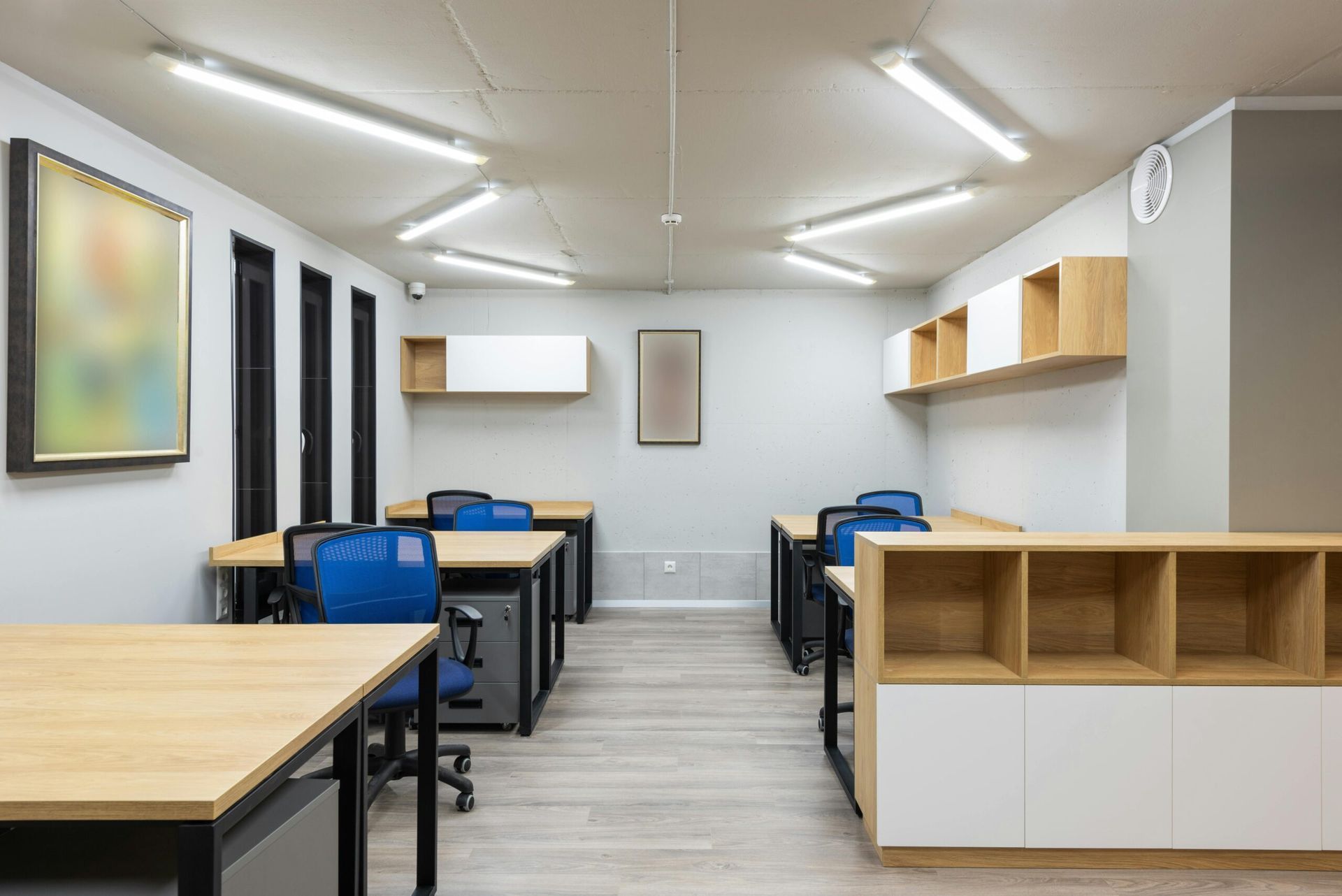
Designing Health-Conscious Lighting Systems
The good news is that businesses have more options than ever regarding health-conscious lighting. LED technology offers energy efficiency while also providing a wide range of color temperatures that can mimic natural light.
Adjustable lighting systems allow daily changes, supporting circadian rhythms and personal comfort. Smart lighting controls can dim, brighten, or shift tones based on time of day, natural light availability, or occupancy, ensuring energy savings without sacrificing comfort or safety.
Businesses that want to prioritize employee well-being should work with lighting professionals to design solutions that suit their specific space, whether it’s an office, retail store, warehouse, or hospitality venue.
Work With Starbeam Lighting Solutions
Lighting is more than just a way to see: it’s a critical factor in how we feel, work, and stay safe. By choosing thoughtful, health-conscious commercial lighting, businesses can protect physical health, support mental well-being, and reduce safety risks, all while boosting productivity.
At Starbeam Lighting Solutions, we are dedicated to helping commercial property owners optimize their lighting solutions.
Through lighting audits and tailored recommendations, Starbeam can help you achieve the perfect lighting setup for your property.
Invest in the right lighting solutions today and experience the positive impact they can have on your business. Contact us today!
The post How Commercial Lighting Can Affect Our Health and Wellbeing appeared first on Starbeam Lighting.