Take Advantage of Additional LED Savings
June 7, 2021

Upgrading to LED lighting for energy efficiency is now easier and more cost-effective than ever, thanks to additional incentives from Ameren Missouri: From May 1, 2021 until July 31, 2021, the Ameren Missouri BizSavers Program has increased incentive rates by 20%. This applies to pre-approval interior lighting projects replacing fluorescent or HID lamps or fixtures with LEDs.

Upgrading to LED lighting is one of the quickest and easiest ways to boost sustainability and energy efficiency, but many facility managers and decision-makers balk at the upfront cost of investment. Because LED upgrades may be considered a luxury at this time and not a necessity, the key to justifying that cost is figuring out the return on that investment over the course of the lighting’s lifetime.

AMEREN does not do its own installations or retrofits. Instead, they rely on a network of BizSavers® Trade Allies like our team at Starbeam to serve their Missouri and Illinois customers. We also work with the nonprofit, public, and municipal sectors to improve their energy efficiency without sacrificing quality.

Because we are trained continually on new energy efficiency technologies and installation techniques, not only are our products state-of-the-art, so too are our standards and practices. What’s more, we’re better positioned than non-Ally contractors to understand the ins and outs of the rebate and incentive structure, so we know how to save you money.

We think you should start with a free lighting audit from Starbeam Lighting. We’ll assess your current lighting and determine how we can save you energy and money with our highly efficient LED lighting. Our Ameren Ally specialists will also work with you at every step to ensure that you get every penny in rebates your business qualifies for, so contact us today!

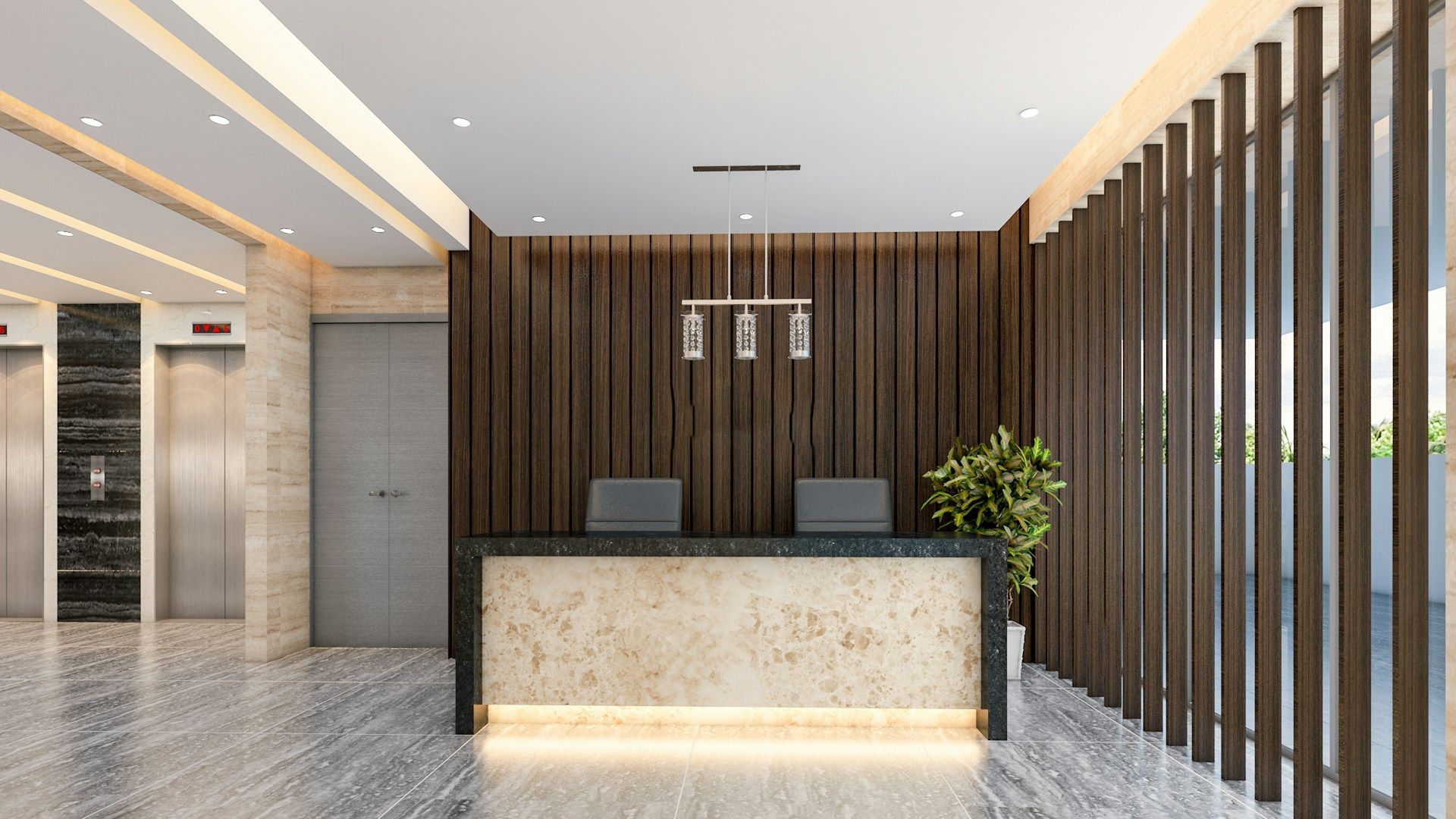
Modern hotel lobby with marble reception desk, wood slat wall, elevator, and polished stone floor
October 9, 2026
Entrances and lobbies are the first introduction to a commercial interior. Effective lighting should support safety and navigation.
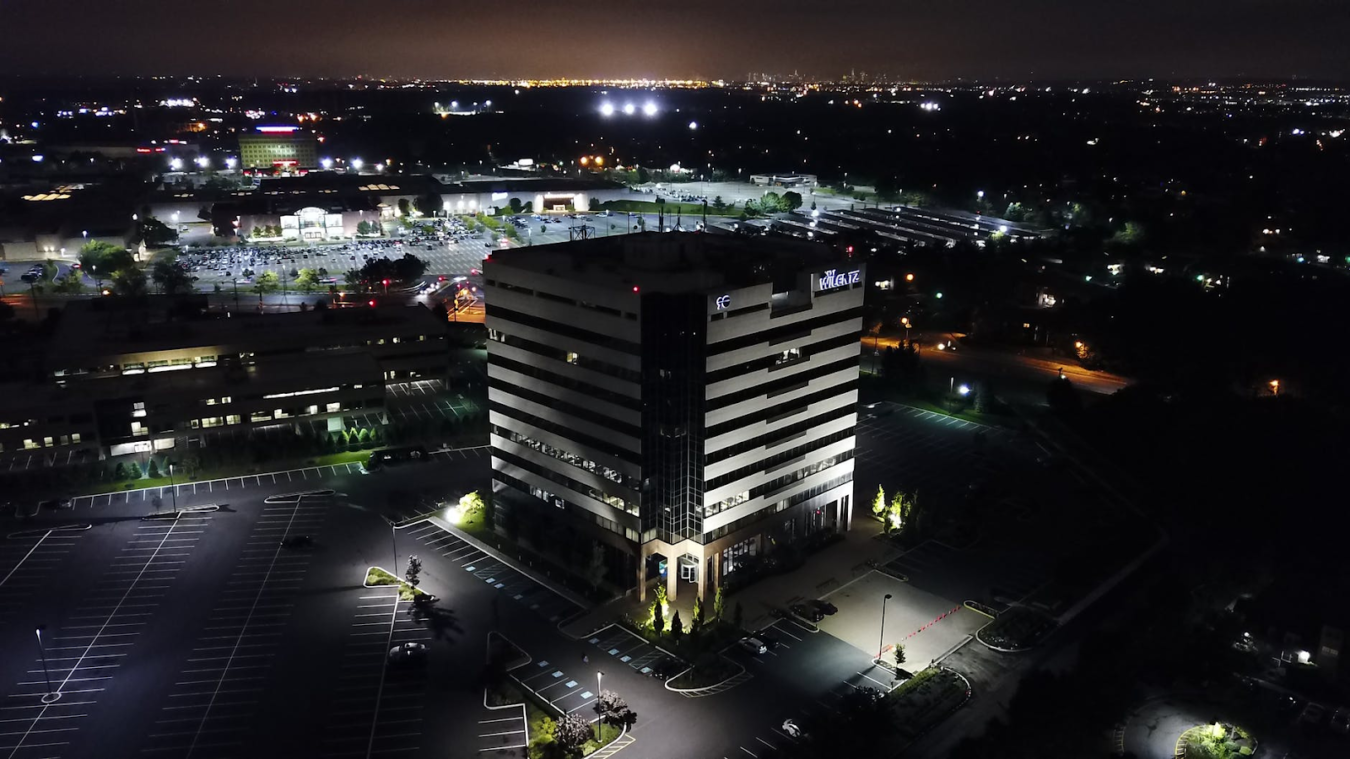
Night aerial view of a lit office building with parking lots and city lights in the background
September 14, 2026
Many facilities assume their lighting is performing well as long as the lights turn on and employees can see their surroundings. While basic visibility is important, effective commercial lighting is about much more than simply illuminating a space. The design of a lighting system can affect productivity, safety, employee comfort, energy consumption, and the overall functionality of a facility. In some cases, organizations may continue to replace lamps or add fixtures without realizing that the underlying issue lies in the lighting design itself. Recognizing the signs of a lighting design problem can help facility managers identify opportunities for improvement and create environments that better support day-to-day operations. Employees Frequently Complain About Visibility One of the most obvious warning signs of a lighting design issue is recurring employee feedback about visibility. Workers may mention difficulty reading labels, seeing fine details, or performing tasks accurately. Others may find themselves moving to different locations or adjusting their work positions to compensate for inadequate lighting conditions. When these complaints become common, the problem is not always that the facility lacks sufficient lighting. In many cases, the issue stems from how light is distributed throughout the space. Bright areas combined with dim work zones can create inconsistent visibility, making tasks more difficult than they should be. A successful lighting design ensures that the right amount of light is delivered where work is actually being performed. Glare Is Creating Discomfort Many people associate lighting problems with spaces that are too dark. However, excessive brightness can be just as disruptive. Glare occurs when light reflects off surfaces or shines directly into a person's field of vision. It can lead to eye strain, headaches, fatigue, and reduced comfort throughout the workday. Common signs of glare include: Employees squinting while performing tasks Reflections on computer monitors Bright hotspots in work areas Frequent adjustments to workstation positions Complaints about eye fatigue Simply adding more fixtures is rarely the solution. Effective lighting design involves balancing illumination levels while minimizing unwanted glare that interferes with occupant comfort.
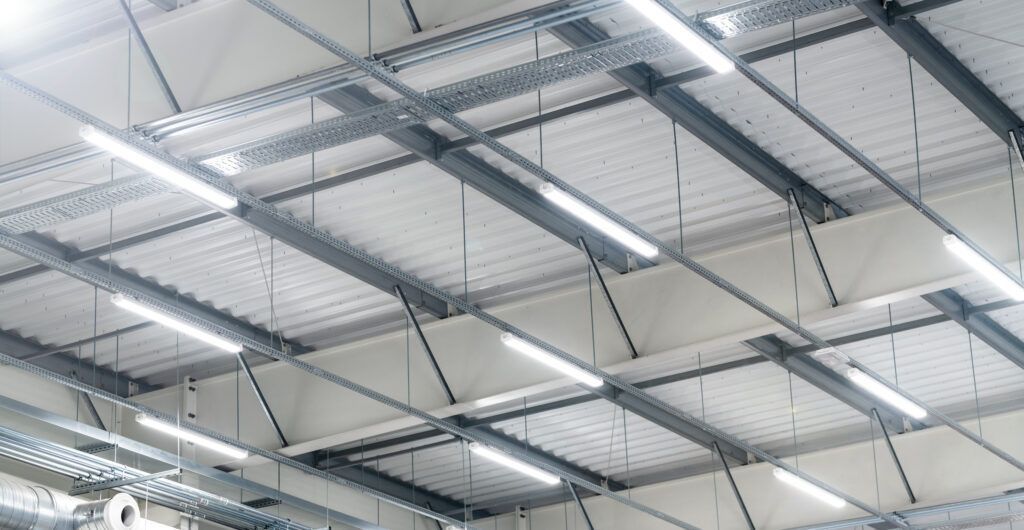
Industrial warehouse ceiling with steel beams, skylights, and rows of fluorescent lights
August 14, 2026
Recognizing the signs of a lighting design problem can help facility managers create environments that better support day-to-day operations.