Misconceptions of an LED Retrofit. At Starbeam Lighting, we’ve here to help your LED lighting retrofit process go as smoothly as possible. When it comes time to make the switch, we understand that not everyone in your company may be onboard. If you’re facing this problem as you attempt to bring your system into the 21st Century, we can help with some of the more common objections we hear — and the benefits that make it all worthwhile.
LED Lighting is Too Expensive!
It’s true that the up-front cost of an LED retrofit can seem prohibitive. With that being said, it’s important to look not only at the short term, but also at the longer-term cost savings afforded by LED lighting. LED lights last longer, so you spend less on replacements and maintenance. They use less energy. And there are also ways to defray your installation costs, as we’ll explain below.
How Do I Know This Stuff Won’t Be Obsolete Next Year?
This is an understandable concern; it seems like just a few years ago that CFL bulbs were supposed to be the best thing going, and now everyone’s talking about LEDs, after all. But this isn’t new technology; it’s already been around for a couple of decades, and continues to improve — while getting cheaper — with every passing year.
We’d Might As Well Wait. It’ll Be Cheaper Next Year.
Yes, we did just say that the price of LED lighting continues to trend downward. But it also helps to look at the cost curve; the drop in prices is less precipitous than it once was, and is at a point where the time you wait to save a little money isn’t going to offset the money your business could be saving right now .
LEDs Can’t Be That Much Better
We beg to differ. One thing we’ve learned through our extensive experience selling and installing commercial LED lighting is that LEDs outperform traditional counterparts like fluorescent, incandescent, and halogen lights by so many metrics that their long-term cost savings is only one of the many benefits offered.
The Benefits of LED Lighting
Now that we’ve covered some of the more common misconceptions to LED lighting retrofits, let’s take a closer look at the benefits our clients have seen post-installation.
Safety
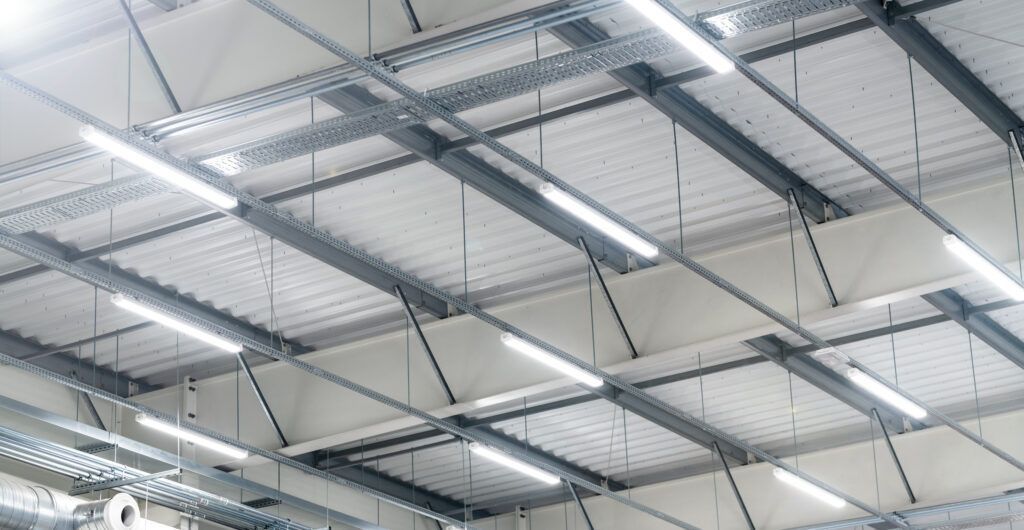
Better, brighter light makes for safer work spaces. There are LED solutions for nearly every application, from high bays for warehouse and factory floors, to task lighting or color-balanced commercial lighting . Not only will it show your space in its best light — literally — but it also prevents accidents, injuries, and eye strain.
Low Maintenance
Depending on the types of lights you’re replacing, LEDs last anywhere from four to forty times longer. Given the time and labor spent on maintenance — to say nothing of frequent outlays for replacement lights — this alone can significantly cut your annual expenses.
Energy Efficiency Improvements
LEDs don’t just last longer than their conventional counterparts. They use far less energy. Once you combine the savings on electricity with the savings afforded by lower maintenance, it becomes clear that your system will earn its keep.
Energy Efficiency Rebates
Because of their significant energy savings, LEDs may pay for themselves in another way. Efficient lighting rebates available at the federal, state, and utility levels can significantly defray the cost of a retrofit. As a certified Ameren Ally, we can help you through the entire qualification and rebate process.
Your Objections and Questions Answered
Each business has different needs, which leads in turn to different questions, different people to bring on board, and different objections. Rather than assuming or worrying, contact Starbeam Lighting for a free lighting audit . We will assess your current needs and estimate both the short-term costs and long-term savings you could realize from an LED retrofit.
The post The Most Common Misconceptions of an LED Retrofit appeared first on Starbeam Lighting.