Lighting plays a crucial role in commercial spaces, not only for practical purposes but also to enhance aesthetic appeal and create a welcoming environment. The strategic placement of lights can transform any commercial space, making it more functional, safe, and inviting.
Explore the best places to put lights in and around commercial buildings.
Indoor Commercial Lighting
Entrance and Lobby
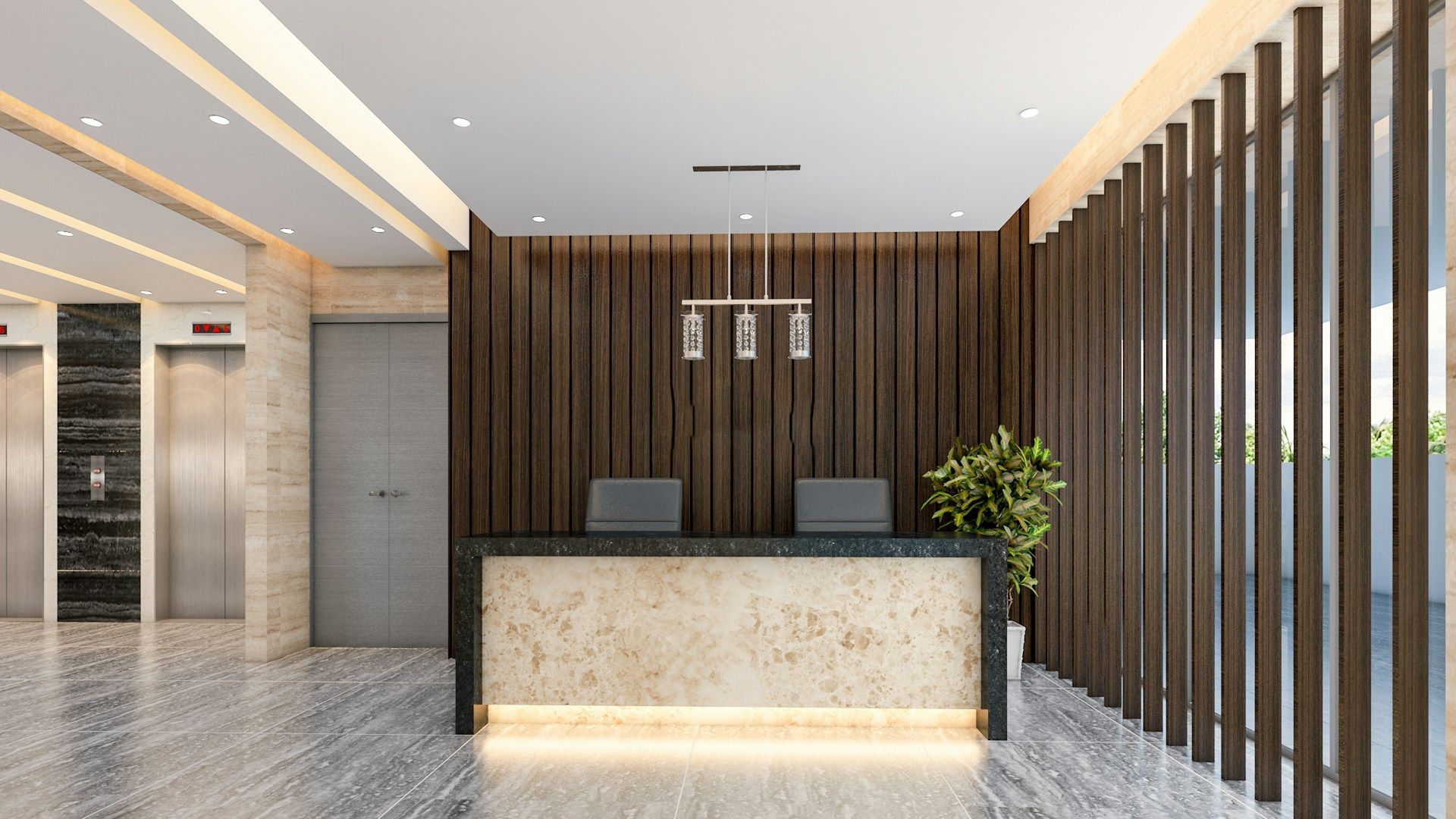
Creating a positive first impression is crucial for businesses. Bright, welcoming lights in the lobby ensure safety and visibility. Accent lighting, such as wall sconces or decorative fixtures, enhances the aesthetic appeal. Desk lamps at reception counters improve visibility for staff and visitors, making the space more functional and inviting. Additionally, chandeliers or pendant lights can serve as focal points, adding a touch of sophistication to the entrance.
Office Spaces
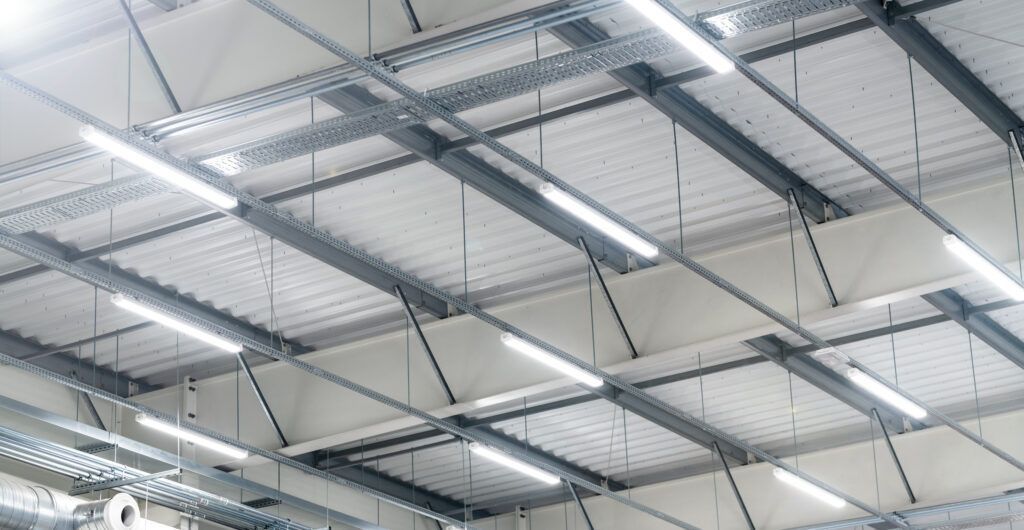
Adequate lighting boosts productivity and comfort in work environments. Overhead lighting, like LED panel lights or fluorescent fixtures, provides even, bright light. Adjustable desk lamps reduce eye strain and allow for personalized lighting at workstations. Indirect lighting solutions, such as wall-mounted fixtures or under-cabinet lights, create a comfortable working atmosphere. For open-plan offices, consider using task lighting to focus light where it’s needed most, minimizing glare and shadows.
Conference Rooms
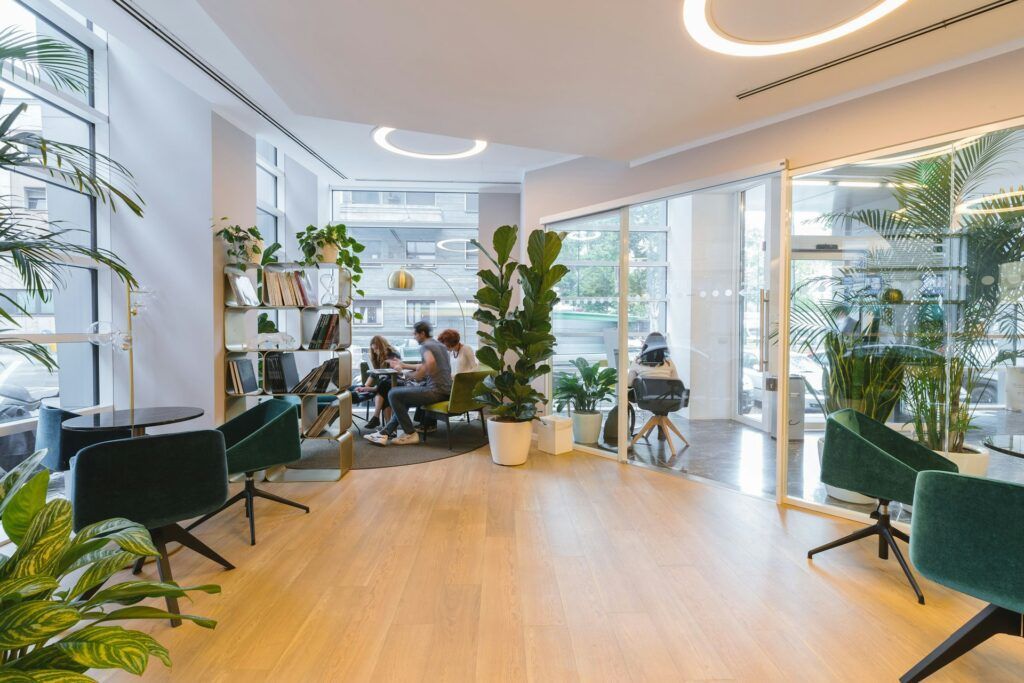
Proper lighting is essential for meetings and presentations. Dimmable ceiling lights or recessed lighting ensure flexibility for different activities. Adjustable spotlights or table lamps for presentation areas improve visibility and focus. Accent lighting, like LED strips or wall sconces, adds a sophisticated touch and highlights important areas, enhancing the room’s functionality and appeal. Incorporating smart lighting systems can further optimize the lighting environment for various meeting types and times of day.
Retail Spaces
Lighting in retail environments should enhance the shopping experience and highlight products. Bright, even lighting from track lights or recessed fixtures ensures general visibility. Spotlights and display case lighting highlight featured products, drawing customers’ attention. Decorative fixtures, such as pendant lights, add style and create focal points within the store, making the shopping experience more enjoyable and engaging.
Consider using color temperature to influence shopper behavior—warmer tones can create a relaxed atmosphere, while cooler tones can make products appear more vibrant.
Outdoor Commercial Lighting
Parking Lots and Exteriors
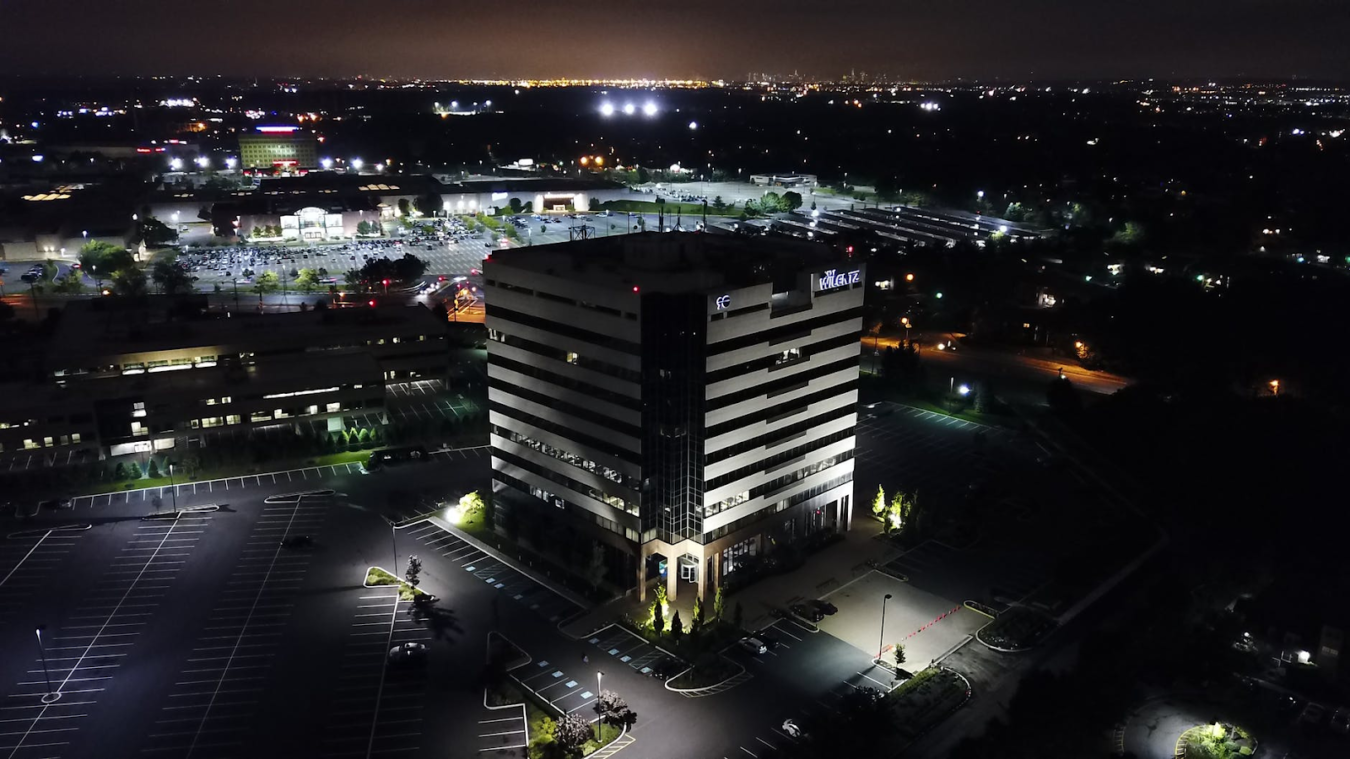
Safety and security are paramount for outdoor commercial spaces. High-intensity discharge (HID) lamps or LED floodlights provide broad illumination in parking lots, ensuring visibility and safety. Pathway lighting, such as solar-powered or low-voltage lights along walkways, enhances pedestrian safety. Motion-sensor lights near entrances, exits, and dark corners deter potential intruders and provide additional security. Ensuring that all areas are well-lit reduces the risk of accidents and makes visitors feel safe.
Building Façade
The exterior of a commercial building is often the first point of contact with clients and customers. Well-placed floodlights and spotlights can highlight architectural features, logos, and signage, enhancing the building’s visual appeal. Uplighting and downlighting along the building’s façade can create dramatic effects and improve nighttime visibility. Color-changing LED lights can add a dynamic element, allowing businesses to update their look for seasons or events.
Entrances and Walkways
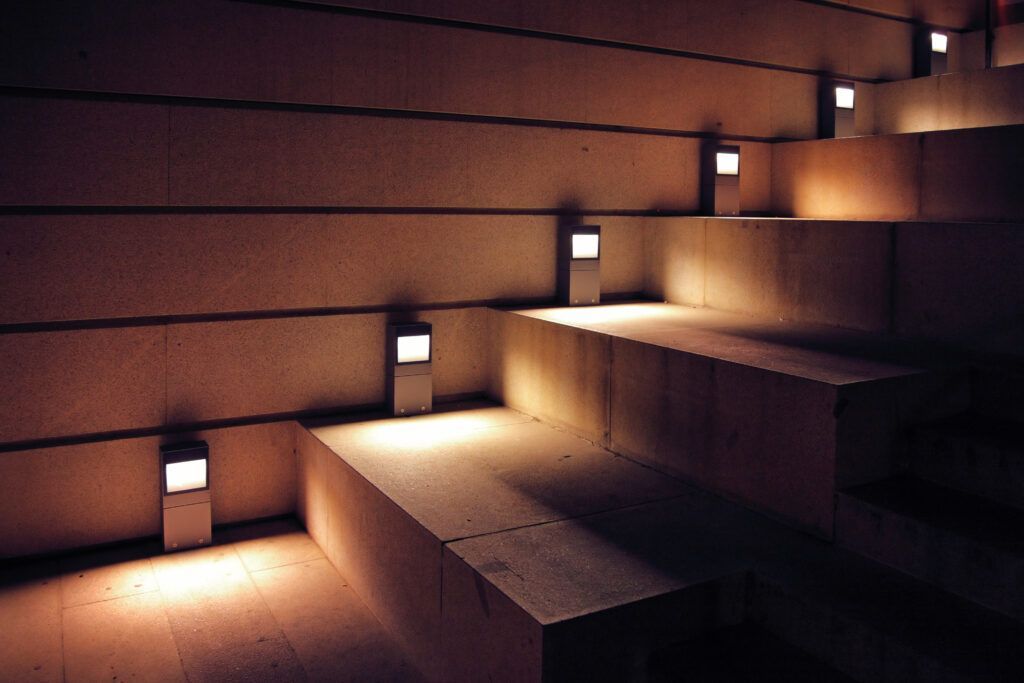
Proper lighting at entrances and along walkways ensures safety and guides visitors to the building. Wall-mounted fixtures, bollard lights, and step lights provide focused illumination and help prevent accidents. These lights can also create a welcoming atmosphere, making the approach to the building more inviting. For enhanced security, ensure these areas are well-lit without creating harsh shadows where intruders could hide.
Landscaping
Landscape lighting can transform the surrounding areas of a commercial property. Spotlights and well-lights can highlight trees, shrubs, and other landscape features, creating an attractive environment. Pathway and garden lights enhance safety and navigation, making the outdoor areas more usable after dark. Incorporating low-voltage or solar-powered options can be both eco-friendly and cost-effective.
Conclusion
Effective lighting placement in and around commercial buildings is essential for creating safe, functional, and aesthetically pleasing environments. Investing in the right lighting solutions improves visibility and safety and elevates the overall ambiance and appeal of your property.
Ready to transform your commercial lighting strategy? Contact us today to learn how our expert team can help you design and implement the perfect lighting solutions for your business.
The post Tips for Placing Lights in Commercial Settings appeared first on Starbeam Lighting.