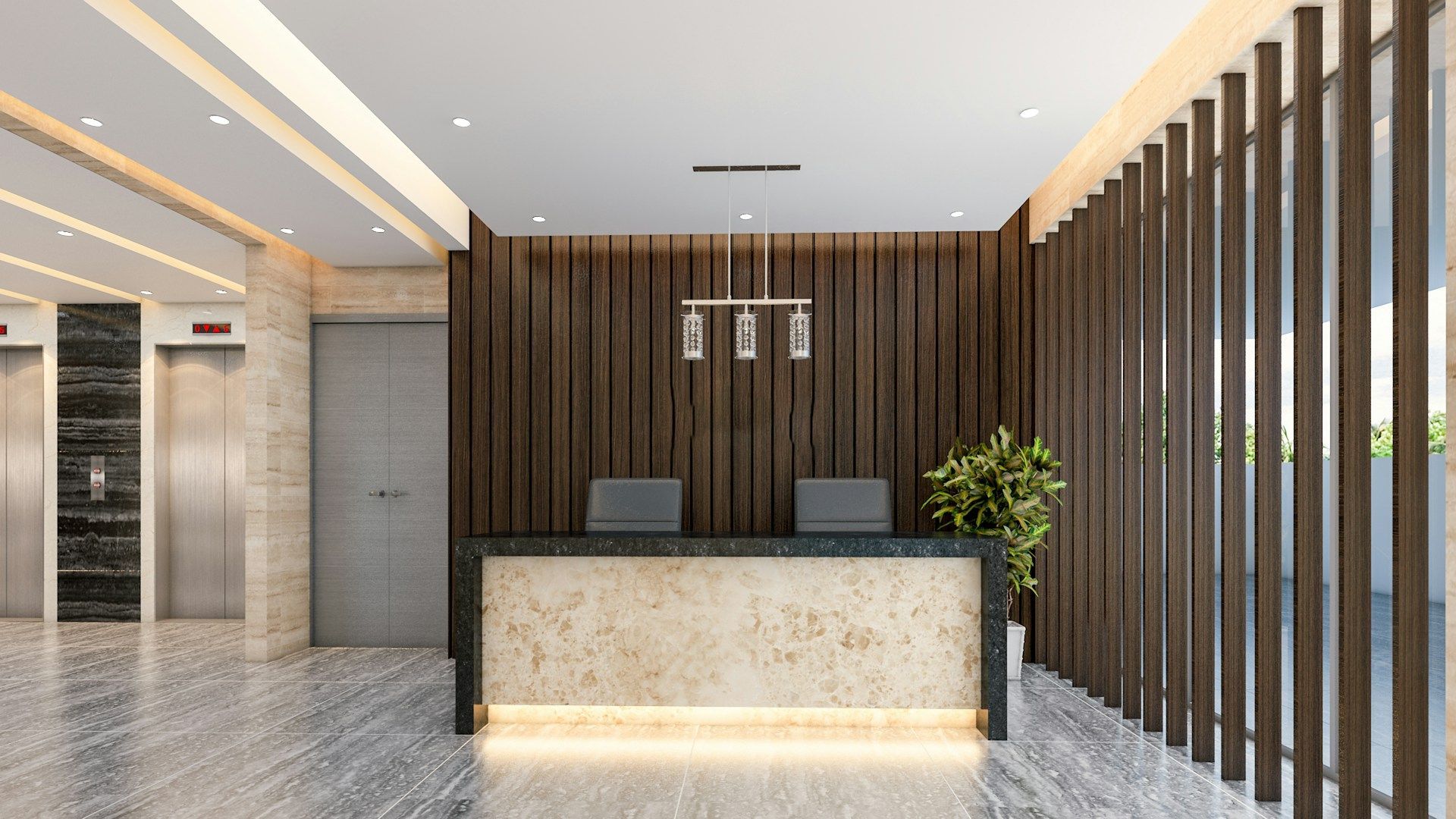
The commercial lighting industry is continuously evolving, with new technologies and trends emerging to meet the needs of modern businesses. As we move closer to the end of 2024, it’s nice to take a moment and reflect on several key trends that have and will continue to evolve throughout the year’s final months.
From energy efficiency to smart technology integration, these trends enhance the functionality and aesthetics of commercial spaces and contribute to sustainability and cost savings. Here are some of the top trends in commercial lighting in 2024.
Energy-Efficient LED Lighting
One of the most significant trends in commercial lighting continues to be the shift towards energy-efficient LED lighting. LEDs have become the go-to choice for businesses due to their long lifespan, reduced energy consumption, and lower maintenance costs than traditional lighting options.
For the remainder of 2024, expect to see even more advanced LED technologies that offer improved performance and significant energy savings. Innovations in LED design also lead to better light quality and color rendering, making them suitable for a wide range of applications, from offices and retail spaces to warehouses and industrial settings.
Smart Lighting Systems
Integrating innovative technology into commercial lighting systems has been another top trend in 2024. Smart lighting allows businesses to control their lighting remotely via apps or centralized systems, offering greater flexibility and control. These systems can adjust lighting based on occupancy, natural light levels, and time of day, optimizing energy use and enhancing comfort.
Features such as dimming, color tuning, and scheduling can be customized to suit specific needs, improving commercial spaces’ functionality and ambiance. IoT (Internet of Things) in lighting systems is also growing, enabling more efficient and interconnected building management.
Human-Centric Lighting
Human-centric lighting (HCL) is an approach that considers the impact of lighting on human health and well-being. While HCL is gaining steam in residential lighting, it should soon gain traction in commercial environments.
By mimicking the natural progression of daylight, HCL systems can help regulate circadian rhythms, improve mood, and boost productivity. For example, cooler, brighter light in the morning can stimulate alertness and energy, while warmer, dimmer light in the evening can promote relaxation and readiness for sleep. This trend is particularly relevant in office settings, where creating a healthy and productive work environment is a priority.

Sustainable and Eco-Friendly Lighting Solutions
Sustainability is a central concern for many organizations, reflected in the growing demand for eco-friendly lighting solutions. As we continue in 2024, using recyclable materials, energy-efficient technologies, and environmentally conscious designs continues to gain momentum, reflecting a solid commitment to sustainability.
Companies are increasingly looking for lighting solutions that reduce energy consumption and have a lower carbon footprint. Additionally, the trend towards renewable energy sources, such as solar-powered lighting systems, is gaining momentum, providing businesses with more sustainable options.
Enhanced Lighting Controls and Automation
Advanced lighting controls and automation systems are becoming more prevalent in commercial lighting. These systems allow precise control over lighting settings, improving energy efficiency and creating more dynamic lighting environments.
For instance, daylight harvesting systems adjust artificial lighting based on the amount of natural light available, reducing energy use during peak daylight hours. Occupancy sensors ensure that lights are only on when needed, enhancing energy savings.
Throughout 2024, these technologies have become increasingly sophisticated and user-friendly, providing businesses with enhanced control and efficiency.
Customized and Adaptive Lighting Design
As businesses seek to create unique and engaging environments, the trend towards customized and adaptive lighting design is rising; this involves tailoring lighting solutions to meet a space’s specific needs and aesthetics.
Adaptive lighting can change color, intensity, and direction based on various factors, such as the time of day or the activities. For example, a retail store might use bright, dynamic lighting to attract customers during peak hours and softer, warmer lighting for a more relaxed shopping experience in the evening.
Personalized lighting design will continue to be a key trend, helping businesses enhance their brand identity and customer experience.
Integration with Building Management Systems
Integration of lighting systems with broader building management systems (BMS) is becoming increasingly common. BMS allows for seamless control and coordination of various building systems, such as HVAC, security, and lighting.
By integrating lighting with BMS, businesses can achieve higher levels of efficiency and automation, leading to reduced operational costs and improved building performance. The trend towards integrated building management solutions is expected to grow, driven by technological advancements and the increasing demand for intelligent, interconnected buildings.
Work with Starbeam Lighting Solutions
The trends that have taken center stage in commercial lighting this year reflect a growing emphasis on energy efficiency, smart technology, human-centric design, sustainability, and customization. As businesses continue to seek ways to enhance their environments and reduce costs, these trends offer valuable insights into the future of commercial lighting.
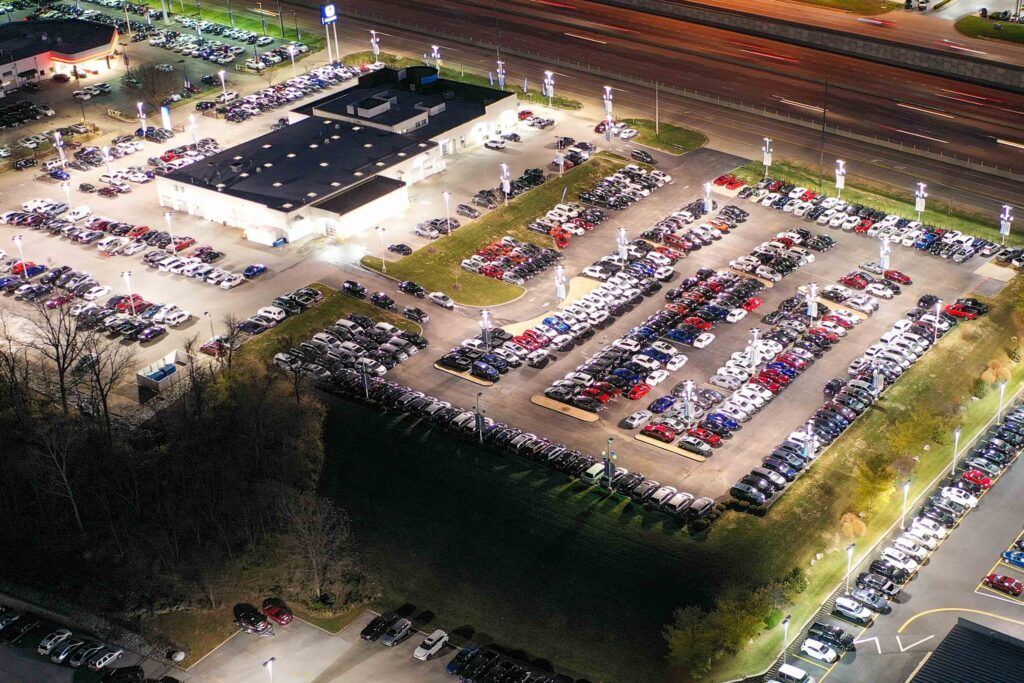
Here at Starbeam Lighting Solutions, we are dedicated to helping commercial property owners optimize their lighting solutions. Through lighting audits and tailored recommendations, Starbeam can assist you in achieving the perfect lighting setup for your property. Invest in the right lighting solutions today and experience the positive impact they can have on your business. Contact us today!
The post Top Trends That Have Taken Over Commercial Lighting in 2024 appeared first on Starbeam Lighting.