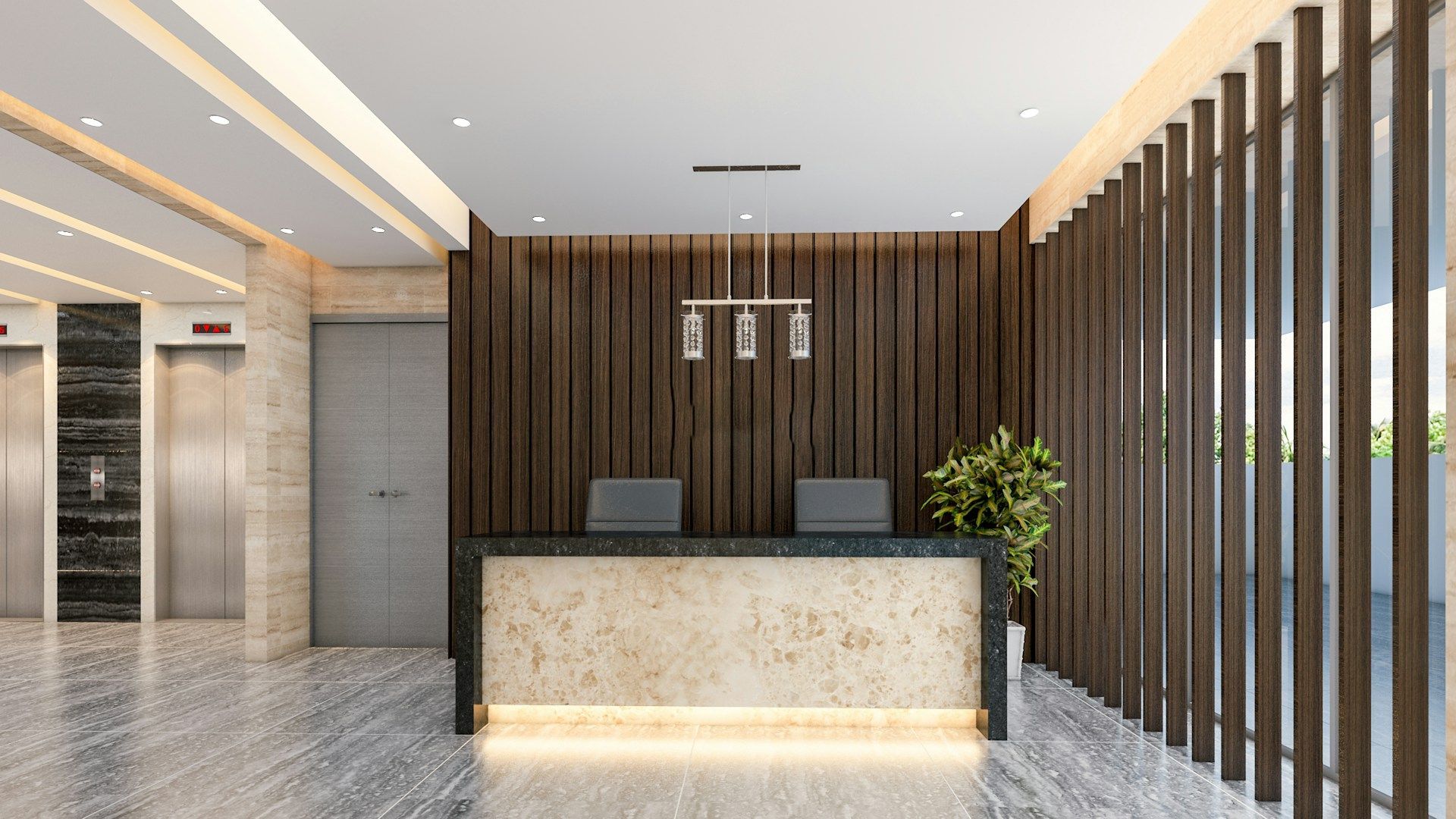
Lighting Tips for Retail Stores. Retail success in brick-and-mortar spaces includes many factors, but in this age of eCommerce shopping it’s easy to overlook strategic lighting in its role of boosting sales and bringing more foot traffic in the door.
Along with merchandising, lighting helps provide the backdrop for the first impression for visitors. In fact, studies have shown that the right lighting upfits can increase sales of up to 12% with a strategic approach.

Start outside with exterior LED lighting
Who doesn’t love to see their name in the spotlight? The same should be true about your store signage and logo. LED lights can be used to draw attention to your location and keep important branding (like logos) top-of-mind for customers, setting you apart from the competition.
If landscaping and hardscaping are a big part of your building’s design, lighting can be used in these spaces to show off your investments. Here’s a bonus: Great lighting design can also offer a more photogenic space, something that’s perfect for the current state of image-forward digital marketing trends and “Instagrammable” spaces.
Let LED create an atmosphere
Once you have your customers’ attention from the outside, continue that same branding as they walk through the doors. Use your merchandising plans as a blueprint for lighting upfits, showcasing items in ways that help customers find exactly what they’re looking for.
Just as with traditional lighting, you’ll find several types of fixtures, temperatures, and colors of LED lighting to set the tone for shoppers. Break up your lighting for different effects in different areas of the store; for example, think about how lighting in retail spaces like jewelry stores or supermarkets can make or break a sale.

Layer LED lighting for max effect
Dividing your retail lighting into “layers” can help you manage any layout challenges.
- The overall lighting in your store is ambient lighting, and this is where you want to focus your energy on creating true atmosphere. Usually the largest lighting source or fixture that puts out the most light is considered ambient .
- A “spotlight” effect is called accent lighting, and it can draw attention to high-ticket or popular items in your store. It can also be used to point out important signage about sales, return policies, new product offerings, and more.
- Even with ambient and accent lighting, you may still have shadows or dark areas lurking in corners, which may cause customers to miss seeing some of your products — and hurt your bottom line. This is where high-activity lighting comes into play.
Make the LED leap — for good
There was a time when “retail” was synonymous with “fluorescent,” but that’s quickly changing thanks to the evolution of LED lighting. New innovations mean that you have practially endless options for color and temperature, as well as LED-compatible fixtures that add to store decor.
If your store doesn’t have LED lighting yet or you have just a few bulbs installed, it may be time to make the switch and totally upgrade everything. While this can present business owners with some up-front costs, the energy and cost savings you’ll realize make it worth it.

Tap into art and design best practices with LED lighting
Along with the technicalities of using LED bulbs in your retail store, add a splash of creativity into the mix. Use multiple sources and fixtures throughout your store to create a dynamic that keeps customers interested in your products.
That said, don’t cram your space with as much lighting as possible thinking it helps shoppers. Larger areas can use backlights for ambiance and high-activity lighting to emphasize certain products or sections of the store.
Use LED for safety, too
Where do you keep your extra inventory? In a dimly-lit back room? What about a warehouse with a layout that’s constantly changing? Along with adding aesthetic appeal to your store’s showroom, LED lighting can also provide wayfinding and safety for employees who check on stock.
Don’t neglect alternative entrances, loading docks, back doors, and emergency exits. LED lighting in these areas of your store is important to keep both employees and customers safe (and your business protected from code violations and liability) in the event of an emergency.
From the front of your store to the back employee entrance, depend on LED lighting to help play a large part in your retail success. Before making any upgrades, you should start with an energy audit from our team of lighting experts to understand the best plan of action. Let’s get started!
The post Top LED Lighting Tips for Retail Stores appeared first on Starbeam Lighting.