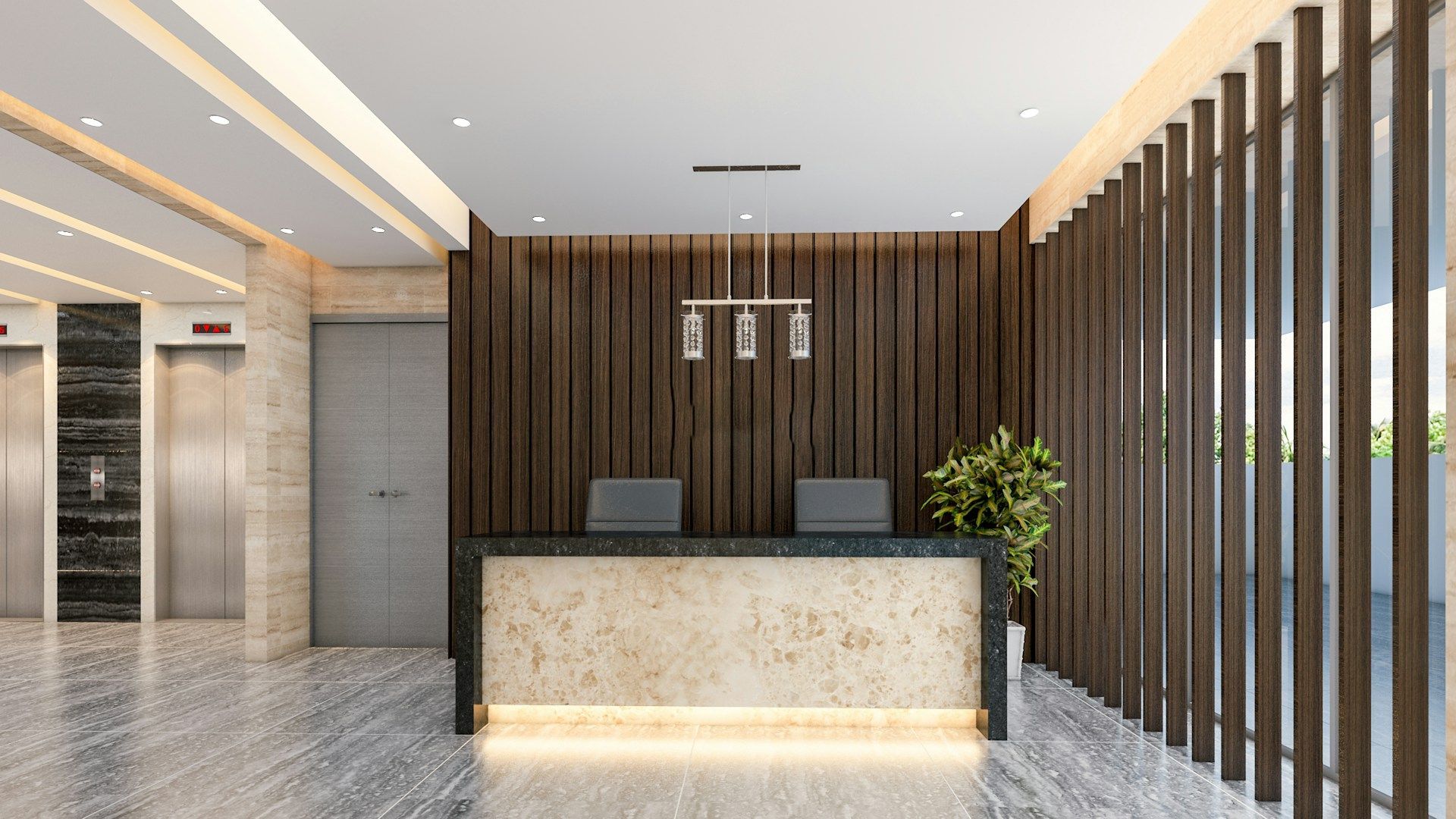
Increase ROI With LED. We live in an age of tremendous technological innovation that impacts virtually every aspect of our daily existence. Specific to commercial lighting advancements for businesses and retailers, there is arguably no bigger game-changer than LED lighting. Starbeam Lighting looks at how this powerful, efficient lighting solution can increase your company’s ROI.
LED’s Advantages
There are several reasons why LED lighting is mentioned in the same breath as other generational innovations like the internet of things (IoT), artificial intelligence (AI), and self-driving cars. One of the biggest is profitability, which in turn is the result of LED’s exceptional efficiency. Combine the two and you have a lighting solution that pays for itself many times over. Moreover, LED cost is consistently decreasing, especially over the last couple of years. This decrease is even more pronounced when factoring in the rebates that many local utilities offer to companies electing to convert their facilities to LED lighting.
From a functional and aesthetic point of view, LED lighting is tremendously versatile. There is a near-endless selection of different LED varieties to choose from, offering different lifespans, performance capabilities, and price points. Such versatility explains why LED lighting is likely to integrate in the near future with smartphone beacon technology used by retailers to attract customers to their stores and entice them with timely push notifications and offers.
One Example (Of Many) Confirming LED’s ROI Potential
In 2018, a 32-store convenience chain completed a major LED lighting project. The project involved each store’s key lighting installations – interior, exterior, and gas pump canopy lighting. Outdated, inefficient lighting was removed, and LED lights were integrated. Within months, the convenience chain was already reaping the benefits brought about by the retrofit. Between energy savings and a drastic decrease in maintenance needs, every store reported good ROI. In fact, several locations were able to pay off the investment in less than six months after the company-wide mandate.
When you consider that one LED tube lasts twice as long as a traditional fluorescent tube while using half the energy, it’s easy to see how a convenience store could achieve such a rapid payback. And for those stores that were using incandescent bulbs, the payback happened even faster since LEDs are around 80% more efficient . Even better, LED’s potential is far from being reached. Every business that switches to LED lighting in the future will reap bigger and bigger benefits. Consider the fact that two years ago, achieving 1,800 lumens in an LED tube required 18 watts. Today, that same lumen-count is achievable with just 10 watts.
We mentioned LED and smartphone beacons, and that’s just one of the many ways that LED lighting will be integrated with the latest technology. Before long, the 32-store convenience chain and many companies like it will use LED solutions to analyze in-store foot traffic, confirm which aisles are the most popular, and highlight specific products on the shelf.
We’re Excited About Your Business’s Future
These are exciting times in the lighting industry, especially with the advancements being made in commercial LED lighting not just here at Starbeam Lighting in St. Louis, but worldwide. Contact our lighting experts today and let’s talk about how your business can capitalize on LED lighting’s gigantic upside.
The post You Could Increase ROI With LED appeared first on Starbeam Lighting.