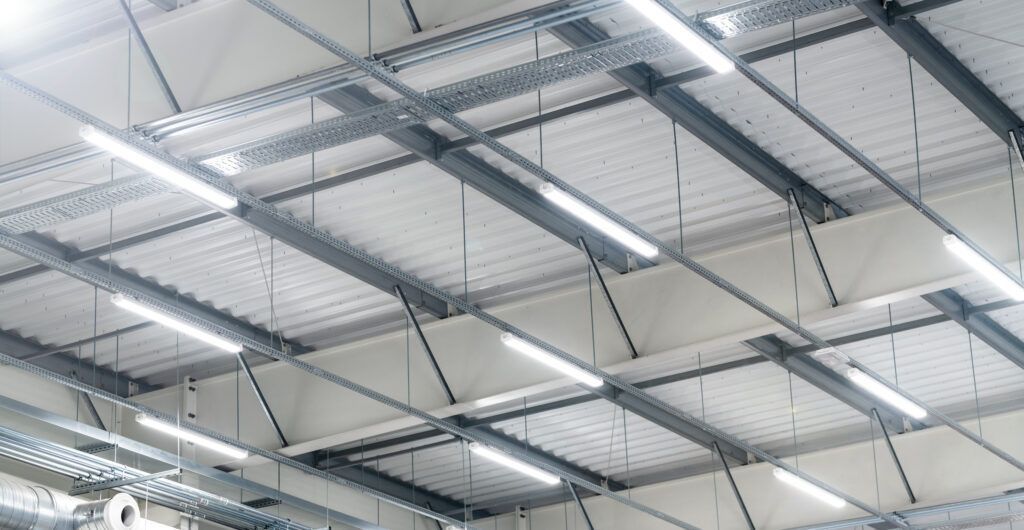
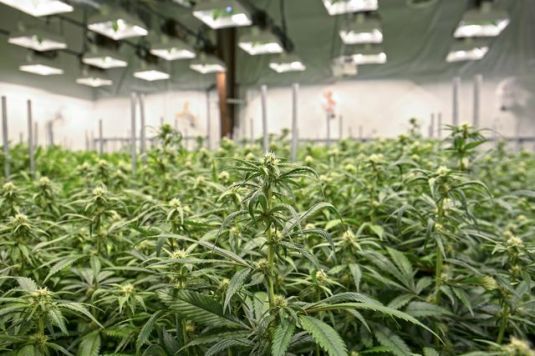
LEDs for Cannabis Growth. Horticulture lighting has come a long way, and the introduction of LED lighting tech has helped to innovate cannabis growth strategies. More growers than ever are turning to LED for indoor growth operations due to the many benefits of making this switch: They’re more energy-efficient, offer a longer life span, and come in a range of options for every level of growth.
If you’re planning to make a switch to LED lighting for your cannabis growth, here are some tips and best practices. Start with understanding the most common LED lighting options for horticultural use.
Standard or purple: This is considered the standard for LED light fixtures and were the first available type for growing. They’re still widely available today and contain up to hundreds of small to medium watt LEDs in a single fixture. Often they’re comprised of a combination of red and blue LEDs that combine to produce a purple light. A top benefit is an economic price, but the downside is a lower light output which could mean a lower growth yield.
COB LED: COB stands for “chip on board,” and these lights are made of hundreds of tiny LEDs on a single chip (instead of several colored LEDs across entire fixtures). COB LEDs are highly efficient and produce an intense white light that’s comparable to the natural light of the sun. They offer good penetration into plant canopies and promote healthy growth while remaining energy-efficient — but they can be pricey, so keep that in mind.
Spread-style LED: This option is comprised of a high quantity of small LEDs spread out over a large panel or board. Spread-style LEDs are commonly used in spider and rack lighting, both of which are widely used in commercial greenhouses. They are the most energy-efficient LEDs and offer huge ROI but can be an expensive up-front investment.
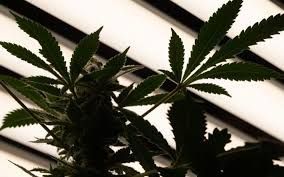
Advantages of switching to LED lighting
The biggest consideration for greenhouses that produce high volume cannabis growth is the overall advantage of switching to LED lighting, which can offer huge benefits.
- Energy efficiency — Just like with any application of LED lighting, you’ll see huge energy savings compared to traditional lighting. They use less electricity and cost less to operate and maintain over their (lengthy) lifetime.
- Cooler to run — Because cannabis greenhouse temperature and climate need to be carefully monitored and controlled, it’s a big plus that LEDs produce less heat than incandescent bulbs. This means there may be no need for additional cooling equipment.
- Reduces watering — Less heat produced by your LED lighting means the soil will stay moist longer, which reduces the water needed to grow. This can also improve the sustainability of your grow process and reduce overall utility costs.
- Fewer nutrients — Watering less also means reduced need for nutrients, and that means a more streamlined nutrient delivery process and less likelihood that you’ll face nutrient overload or imbalance.
Think about your growth cycle
Cannabis plants at different stages of growth require different spectrums of LED lighting and different schedules of exposure to light. For example, seedlings are much more sensitive to light and may require a dimmer LED setting. When your plants are ready to flower, however, they need maximum intensity from light exposure. Because of these variations, it’s important to choose LED lighting that you can adjust or dim based on your plants’ life cycles.
Avoiding common mistakes
While LED lighting does offer a long list of benefits when it comes to cannabis growing, there’s a bit of a learning curve if you’re making the switch from traditional or non-LED lights. If you don’t have the appropriate quantity of LED lights for your greenhouse, you could be overlighting and impacting quality or underlighting and seeing less yield. Lamp distance from plants can also lead to improper lighting. Also, not all LED lighting is created equal in quality. Using inferior products could not only cost you in maintenance, but it could also directly affect the overall quality of your cannabis.
Above all, it’s important to work closely with lighting partner that has experience with horticultural lighting and LED lighting for cannabis growth. Your team can assess your lighting needs based on the size and volume of your operation and suggest different layouts and fixtures that offer you the best overall results.
Ready to learn more about how to get the most from your cannabis lighting investment? Get in touch to speak with one of our in-house horticultural lighting specialists. We can help you get the most yield from the perfect balance of high-quality fixtures, low maintenance, and efficient energy consumption.
The post Using LEDs for Cannabis Growth appeared first on Starbeam Lighting.