When customers walk into your business, they instantly form an impression.
Every detail influences how professional your space appears, from the layout and décor to the cleanliness and color scheme. Yet one often overlooked factor can make or break that first impression: lighting.
The quality, color, and placement of your lighting can completely transform how people experience your business.
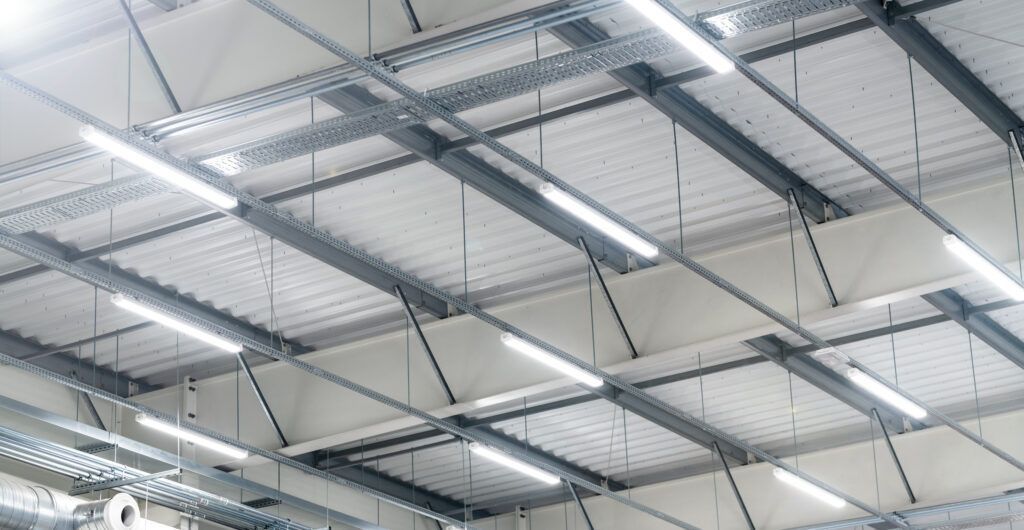
Whether you manage an office, retail store, restaurant, or warehouse, lighting is more than just a way to see. It shapes mood, enhances safety, highlights design features, and communicates professionalism.
Here’s how good lighting can help your business look and feel more polished, trustworthy, and modern.
Create a Strong First Impression
Lighting is one of the first things people notice when entering a space. Bright, evenly distributed light feels clean, welcoming, and organized. Dim, flickering, or outdated fixtures can instantly make a space seem neglected or dated.
Good lighting sets the tone for professionalism from the start. It tells clients and customers that you care about the details and take pride in your environment.
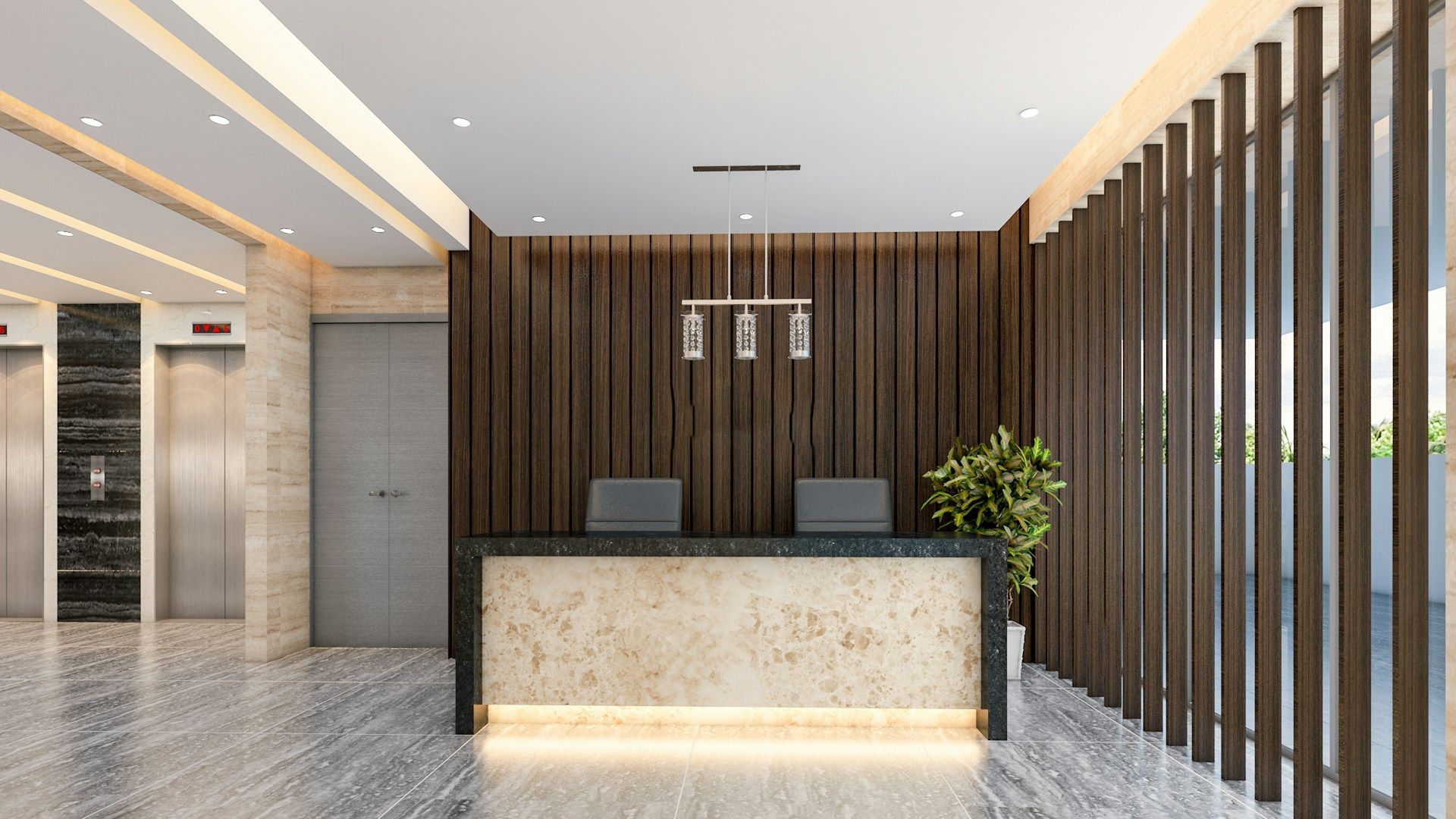
For example, a well-lit lobby or reception area immediately feels more inviting, while a poorly lit one can leave visitors feeling uncertain or uncomfortable.
If your goal is to make customers trust your services or feel confident in your products, lighting plays a significant role in creating that sense of credibility.
Highlight the Best Parts of Your Space
Strategic lighting draws attention to what matters most. In a retail setting, accent lighting can highlight displays, products, or branding elements. In an office, layered lighting can emphasize architectural details or artwork that reinforce your company’s image.
By using different types of lighting, ambient, task, and accent, you create depth and visual interest. This balance makes your business appear more dynamic and well-designed.
Proper lighting also helps direct attention to key areas, such as check-out counters, product shelves, or meeting rooms, without overwhelming the overall space.
When lighting complements the layout and design, it subtly guides how people move through and experience your business. The result is a space that feels more intentional and high-quality.
Enhances Employee Productivity and Morale
Professionalism isn’t just about appearances. It’s also about how efficiently and comfortably your team can work. Proper lighting supports both.
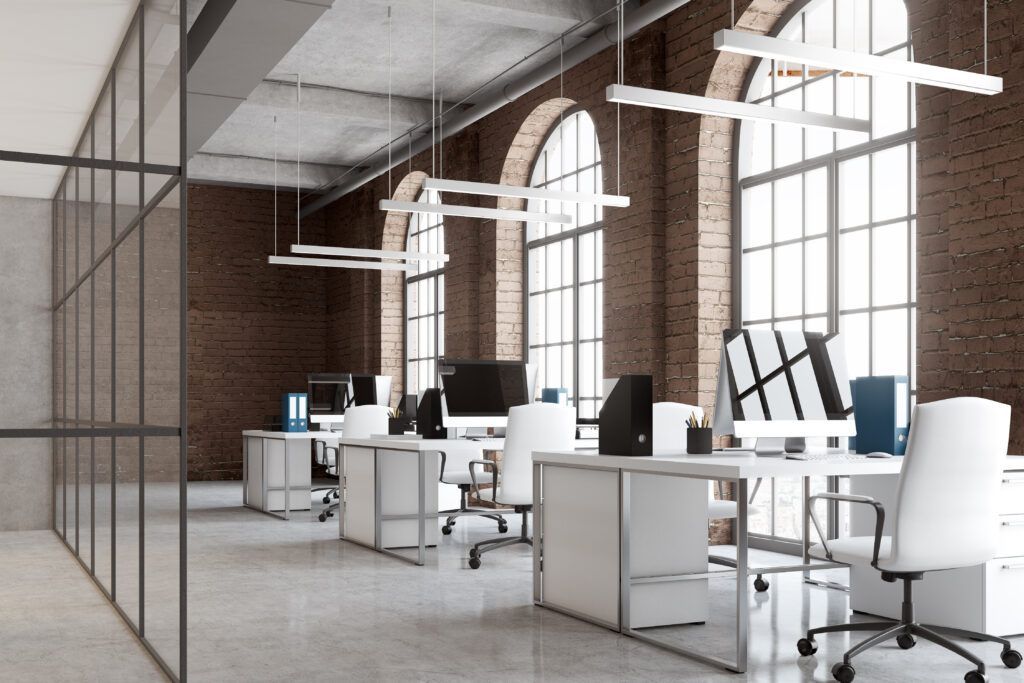
Poor lighting can cause eye strain, headaches, and fatigue, which lower morale and productivity. On the other hand, bright, balanced lighting improves focus and energy levels.
Natural light or lighting that mimics daylight can help employees stay alert and engaged throughout the day.
Employees who feel good in their workspace tend to perform better and treat customers more enthusiastically. That positive energy contributes to the professional atmosphere that your clients notice when they walk through the door.
Improves Safety and Comfort
No one feels confident doing business in a dimly lit environment. Adequate lighting increases visibility, prevents accidents, and helps customers and employees move safely throughout your building.
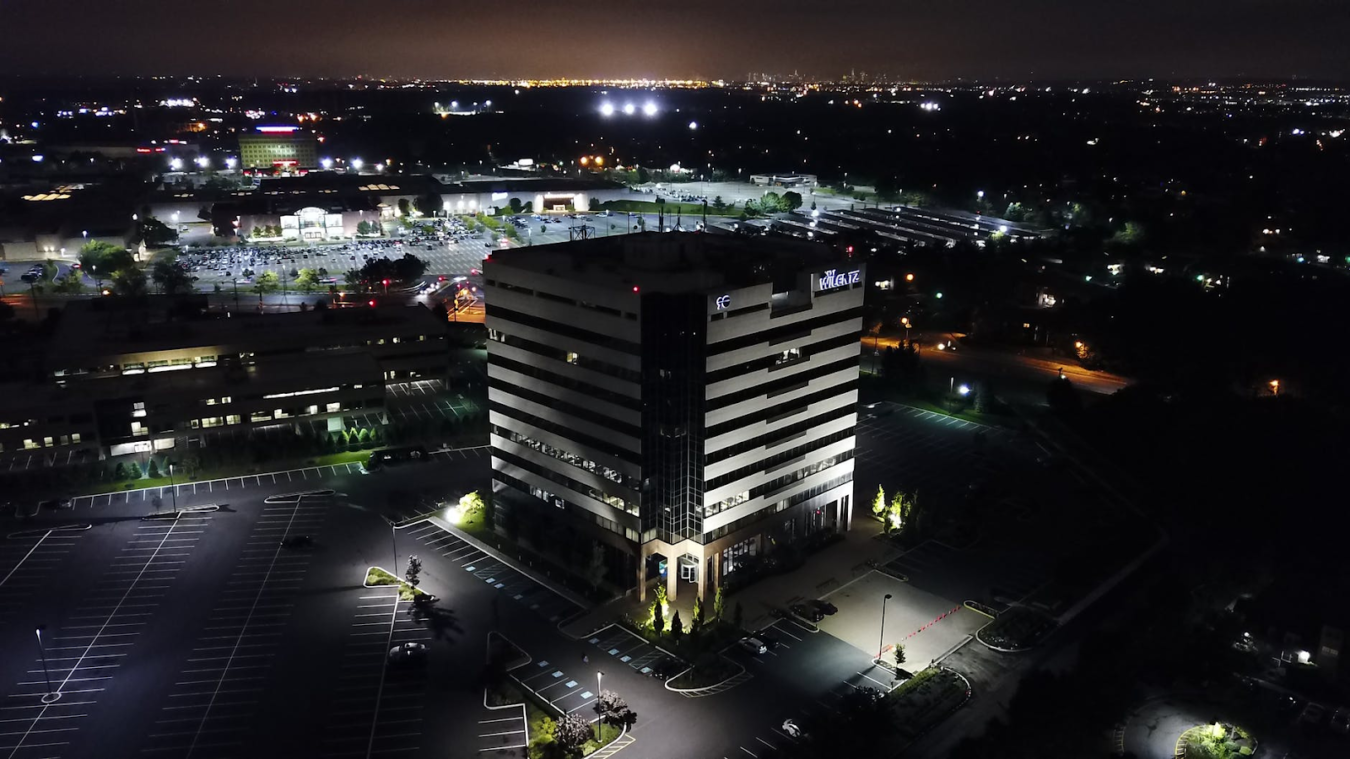
This extra layer is especially important for exterior lighting. Well-lit parking lots, entryways, and walkways make your business appear safer and more secure, especially after dark. Customers are more likely to visit, and employees feel more comfortable leaving late at night.
Clear lighting in stairways, hallways, and work areas prevents trips and falls. It also reduces shadows that can make spaces look smaller or less inviting. Safety and comfort are key to a professional atmosphere, and lighting supports both.
Reinforces Your Brand Image
Every brand has a personality, and lighting helps express it.
A high-end boutique might use warm, soft lighting to create a luxurious feel. A tech startup might choose cooler, brighter lighting to reflect innovation and energy. A restaurant might blend both to create distinct moods between the dining area and the bar.
Choosing the right lighting color temperature, brightness, and fixture style can make your brand identity clear before you say a word. It’s a subtle way to show who you are and what your business stands for.
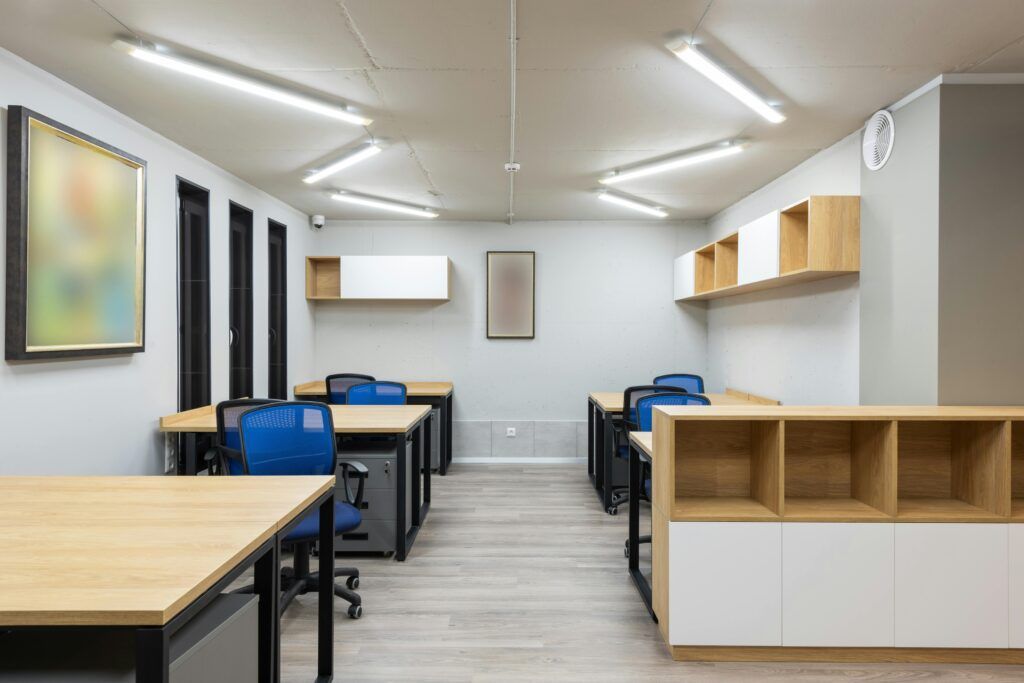
Increases Perceived Value
Lighting not only makes your business look better, but it can also make your products and services seem more valuable. Bright, flattering light enhances colors and textures, making everything from merchandise to materials appear higher quality.
In contrast, poor lighting can make even premium products look dull or less appealing. If you invest in quality lighting, customers subconsciously associate that attention to detail with professionalism and reliability.
When people believe your space is well cared for, they’re more likely to think your business is too.
A Worthwhile Investment
Upgrading your lighting might seem like a small change, but it can have a significant impact on your business.
Energy-efficient LED lighting improves the look and feel of your space and reduces your electricity costs and maintenance needs.
It’s a simple, long-term investment that pays off in both appearance and savings.
See the Difference with Starbeam Lighting Solutions
Lighting is more than a design choice. It’s a communication tool that tells your customers who you are. It reflects your attention to detail, commitment to safety, and care for both clients and employees.
By investing in good lighting, you’re investing in your business’s reputation, comfort, and long-term success.
Ready to elevate your business with better lighting? Contact the experts at Starbeam Lighting Solutions to explore energy-efficient, professional lighting solutions that make your space shine.
The post Why Good Lighting Makes Your Business Look More Professional appeared first on Starbeam Lighting.