As temperatures rise during the summer months, energy usage tends to follow. Cooling systems work harder, buildings stay active for longer, and utility bills often reflect the increased demand.
While HVAC systems usually get the most attention when it comes to summer energy costs, lighting plays a larger role than many businesses realize.
With the right approach, smarter lighting can help reduce energy consumption, improve comfort, and enhance performance throughout your space.
Why Energy Costs Increase During Summer
Summer brings a combination of factors that contribute to higher overall energy usage. Air conditioning systems run more frequently to offset rising outdoor temperatures, especially in buildings with large windows or high occupancy levels.
Lighting adds to this demand in two ways. First, it contributes directly to energy consumption. Second, certain lighting systems generate heat, which can increase the load on cooling systems.
In buildings with older or inefficient lighting, this added heat can compound the challenges of maintaining a comfortable indoor environment.
Understanding how these systems interact is the first step in identifying opportunities for improvement.
How Lighting Impacts Energy Usage
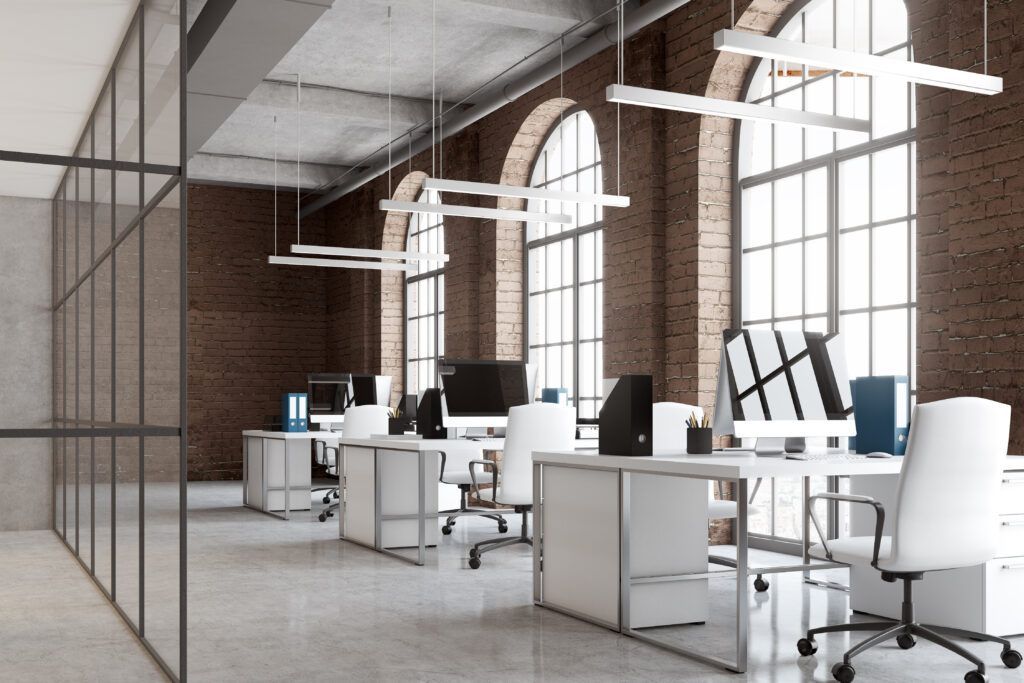
Not all lighting systems operate at the same level of efficiency. Traditional lighting options often consume more energy and produce more heat than modern alternatives. When these systems are used throughout the day, especially in large commercial spaces, the impact on utility costs can be significant.
In some cases, lighting is left on in areas not in use, resulting in unnecessary energy waste. In others, buildings may be over-lit due to outdated layouts or a lack of strategic planning.
These inefficiencies are not always obvious at first, but over time, they can contribute to steadily rising operational costs.
The Benefits of Upgrading to Energy-Efficient Lighting
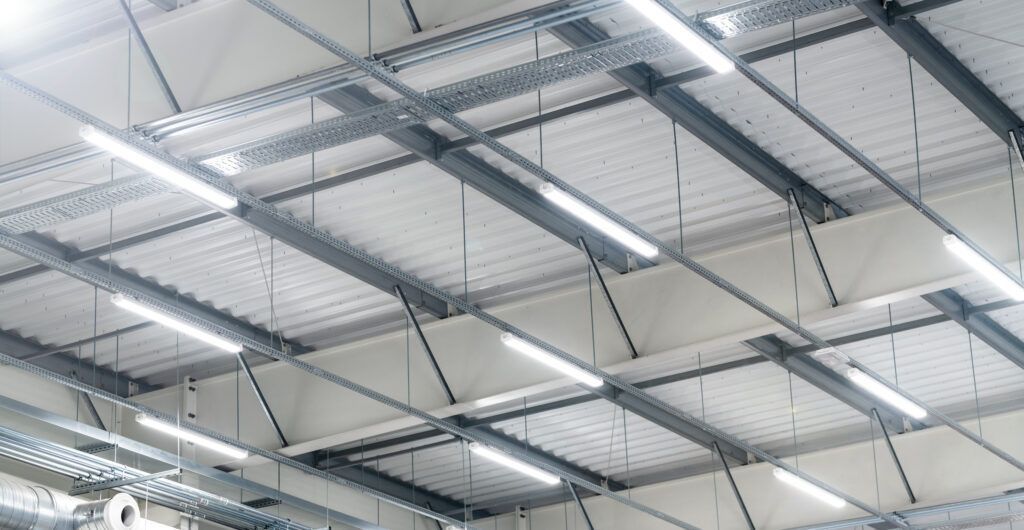
Upgrading to energy-efficient lighting is one of the most effective ways to reduce energy usage without sacrificing performance. LED lighting, for example, uses less energy than traditional systems while producing consistent, high-quality light.
Another key benefit is reduced heat output. Lower heat generation means less strain on cooling systems, which can translate into additional energy savings during peak summer conditions.
Energy-efficient lighting also tends to have a longer lifespan. This reduces the need for frequent replacements and ongoing maintenance, helping businesses manage both time and cost more effectively.
Beyond savings, these upgrades can improve visibility and create a more consistent lighting environment, supporting both productivity and overall experience within the space.
Using Lighting Controls to Reduce Waste
Lighting does not need to operate at full output at all times. With the right control systems in place, businesses can adjust lighting levels based on actual usage and conditions throughout the day.
Options such as occupancy sensors, scheduling systems, and daylight-responsive controls allow lighting to adjust automatically when spaces are unoccupied or when natural light is available.
This level of control helps reduce unnecessary energy use without requiring constant manual adjustments. It also creates a more responsive environment in which lighting supports how the space is actually used.
For many businesses, implementing lighting controls is one of the fastest ways to achieve measurable efficiency improvements.
Making the Most of Natural Light
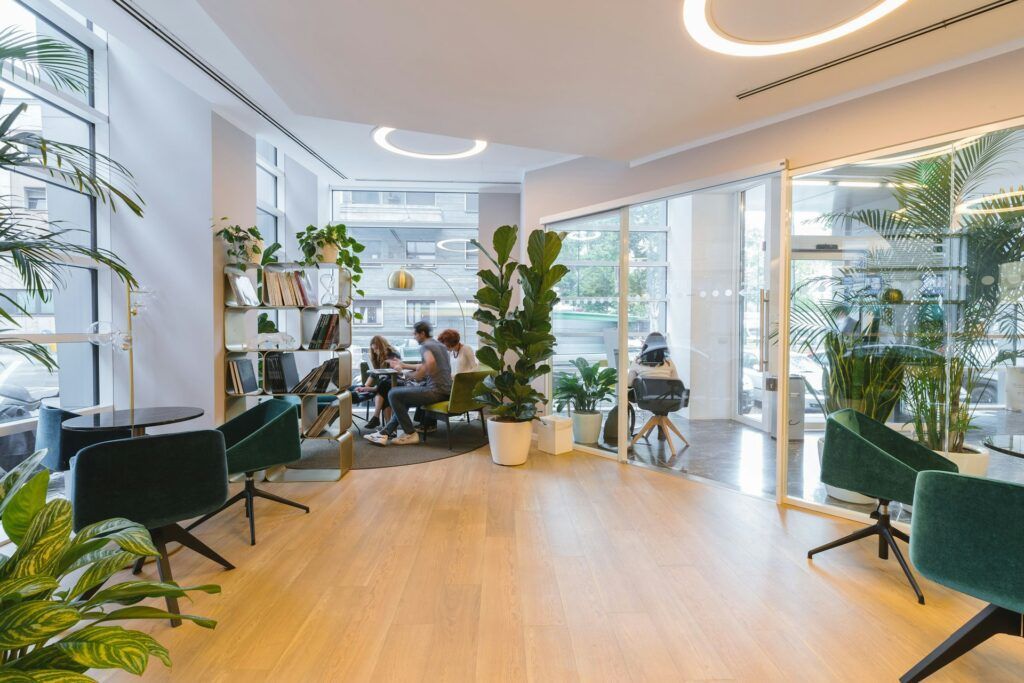
Summer provides longer daylight hours, which can be an advantage when managed effectively. Natural light can reduce the need for artificial lighting and contribute to a more comfortable, inviting environment.
However, excessive direct sunlight can pose challenges, including glare and higher indoor temperatures. Without a plan, these conditions can offset potential energy savings by increasing the demand on cooling systems.
A thoughtful lighting strategy considers both artificial and natural light. By balancing these elements, businesses can maintain consistent lighting levels while reducing overall energy consumption.
Planning a Lighting Upgrade for Summer Efficiency
Improving lighting efficiency starts with understanding your current setup. A lighting audit can provide insight into how energy is being used and where adjustments can have the greatest impact.
From there, decisions can be made based on the building's layout, how different areas are used, and when lighting is needed throughout the day. This approach helps ensure that upgrades are aligned with both operational needs and long-term goals.
In some cases, rebates or incentives may be available to help offset the cost of upgrading to more efficient systems. Taking advantage of these opportunities can make it easier to move forward with improvements while managing upfront costs.
Connect With Starbeam Lighting Solutions
Energy costs often rise during the summer, but they are not beyond your control. Lighting plays a key role in overall energy use, and with the right strategies in place, it can be an opportunity rather than a source of excess costs.
Starbeam Lighting Solutions helps businesses evaluate their current systems and identify opportunities to improve efficiency with smarter lighting. From audits to upgrades and control systems, our team works with you to reduce energy costs and create lighting solutions that perform year-round.