Warehouses are designed to keep products moving efficiently, support inventory management, and maintain safe working conditions. While many factors contribute to a warehouse’s overall performance, lighting is often one of the most overlooked.
A lighting system that struggles to meet the demands of the space can affect productivity, employee comfort, safety, and operating costs.
Unlike office buildings or retail environments, warehouses present unique lighting challenges. High ceilings, tall storage racks, large floor areas, and changing operational needs all require thoughtful planning.
Understanding these common challenges can help facility managers make informed decisions that improve both day-to-day operations and long-term efficiency.
Why Warehouse Lighting Requires a Different Approach
Warehouse environments place very different demands on lighting systems than other commercial spaces. Employees must safely navigate aisles, locate inventory, operate equipment, read labels, and complete detailed tasks throughout the day.
In some facilities, operations continue around the clock, making reliable visibility even more important.
Because warehouses combine large open areas with specialized work zones, a single lighting solution may not effectively serve the entire building. Successful warehouse lighting strategies account for how the facility operates rather than simply focusing on overall brightness.
Challenge: High Ceilings and Uneven Light Distribution
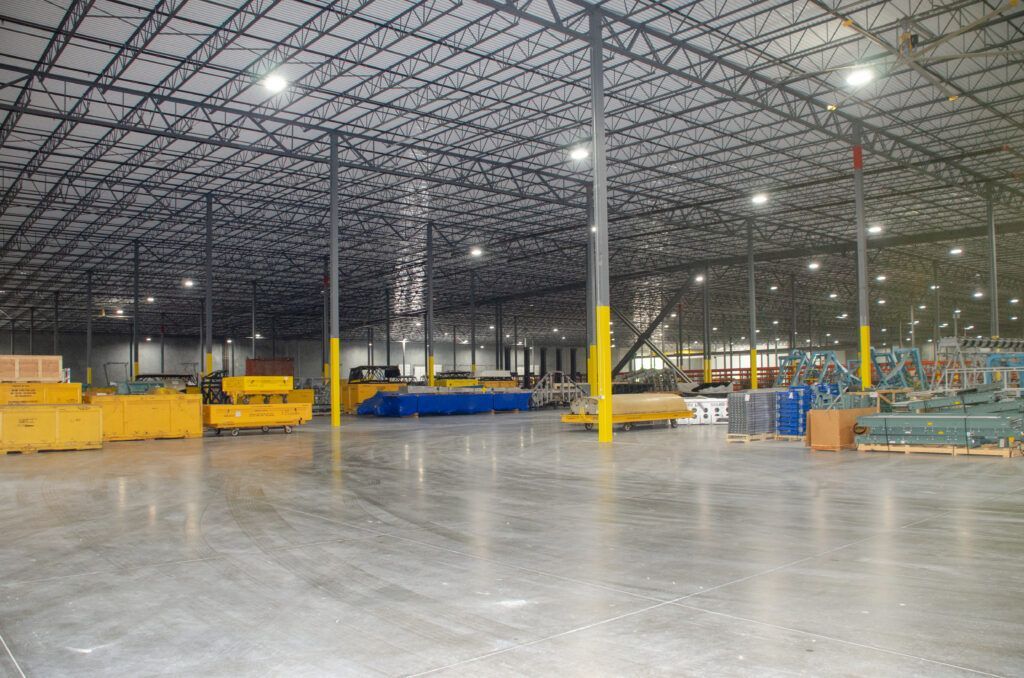
Many warehouses feature ceilings that can reach 20, 30, or even 40 feet high. While these expansive spaces provide valuable storage capacity, they can create challenges for lighting performance.
Poor fixture placement or outdated lighting systems may result in uneven light distribution throughout the facility. Some areas may appear overly bright while others remain dim. These inconsistencies can make it more difficult for workers to complete tasks efficiently and may create visibility concerns in busy operational areas.
Addressing this challenge often begins with evaluating the lighting layout. Fixtures should be selected and positioned to provide consistent coverage throughout the warehouse rather than concentrating light only in certain locations. A well-designed system helps eliminate dark spots and supports more reliable visibility across the entire floor.
Challenge: Shadowing Between Racks and Shelving
Storage racks are essential for maximizing warehouse space, but they can also create significant shadowing issues. Tall shelving systems may block light from reaching lower levels or narrow aisles, making it more difficult for employees to locate and manage inventory.
Poor visibility within storage areas can slow workflows, increase the likelihood of picking errors, and create frustration for employees. As inventory layouts evolve over time, lighting systems that once performed well may no longer provide adequate coverage.
To address this issue, lighting should be designed with the warehouse layout in mind. Aisles, shelving heights, and storage configurations all influence how light reaches work areas. Regular lighting evaluations can help ensure that changing warehouse operations do not create new visibility challenges.
Challenge: Balancing Safety and Energy Efficiency
Most warehouse operators are looking for ways to control energy costs, but reducing energy consumption should never come at the expense of safety.
Warehouses often contain forklifts, pallet jacks, conveyor systems, and pedestrian traffic operating within the same environment. Employees need adequate visibility to navigate these spaces safely and perform their work accurately.
The goal is not simply to use less light. Instead, the focus should be on providing the appropriate amount of light where it is needed most. Modern lighting technologies and control systems can help facilities improve efficiency while maintaining safe working conditions throughout the building.
By taking a strategic approach, warehouse managers can support both operational goals and employee safety.
Challenge: Lighting Maintenance in Active Facilities
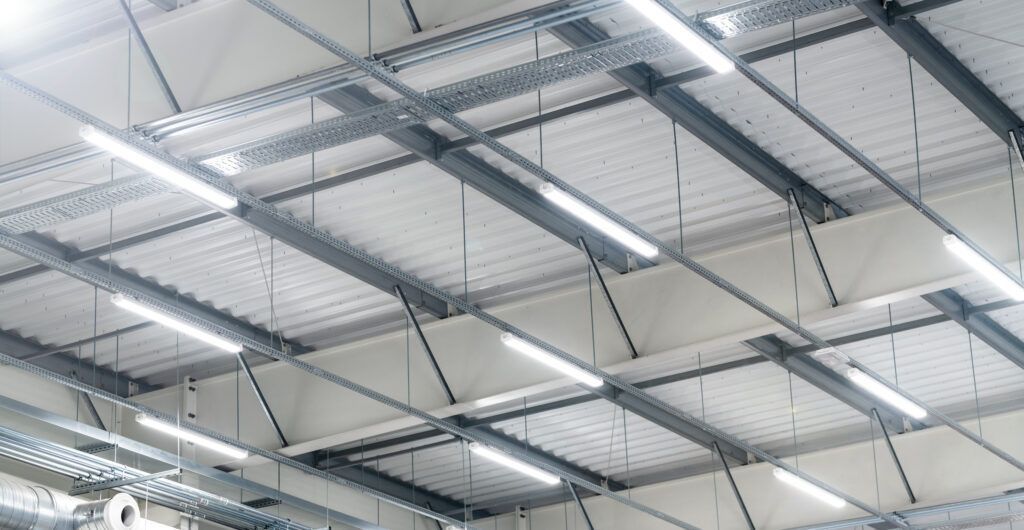
Maintaining lighting systems in a warehouse can be more complicated than it is in many other commercial buildings. Replacing fixtures mounted high above the floor often requires specialized equipment, careful scheduling, and coordination to avoid disrupting operations.
When facilities rely on aging lighting systems, maintenance demands can increase significantly. Frequent lamp replacements, unexpected failures, and service interruptions may create unnecessary costs and downtime.
A proactive maintenance approach can help reduce these disruptions. Regular inspections and performance evaluations allow facility teams to identify issues before they affect daily operations.
Investing in longer-lasting lighting solutions may also reduce the frequency of maintenance activities and improve overall reliability.
Challenge: Supporting Worker Comfort and Productivity
Warehouse lighting affects more than visibility. It also influences how comfortable employees feel throughout the workday.
Workers often spend long shifts under artificial lighting. Poor lighting conditions can contribute to eye strain, fatigue, and reduced concentration, especially in areas where employees perform detailed tasks such as packing, sorting, or quality inspections.
Improving light quality can help create a more comfortable working environment. Facility managers should evaluate not only brightness levels but also how lighting supports the specific tasks being performed throughout the warehouse.
When employees can see clearly and work comfortably, productivity, accuracy, and overall job satisfaction often benefit as well.
Evaluating Your Warehouse Lighting System
Warehouse operations rarely remain static. Inventory levels change, storage configurations evolve, and workflows shift as businesses grow. Because of this, lighting systems should be evaluated periodically to ensure they continue supporting facility goals.
A simple evaluation might include questions such as:
- Are there dark spots between racks or shelving?
- Is lighting consistent throughout the facility?
- Have employees reported visibility concerns?
- Are maintenance costs increasing?
- Do certain areas appear significantly brighter or dimmer than others?
- Is the current system supporting both safety and energy-efficiency objectives?
Regular assessments can help identify opportunities for improvement before they become larger operational challenges.
Contact Starbeam Lighting Solutions
By taking a proactive approach to lighting design and maintenance, warehouse operators can create environments that better support employees, improve workflow efficiency, and position their facilities for long-term success.
If you're evaluating the performance of your warehouse lighting system, contact our lighting experts today to discuss lighting strategies designed to improve visibility and long-term facility performance.