Reduce Energy Costs In Commercial Buildings. Reducing energy costs in commercial buildings through smarter lighting decisions is a hot topic amongst the next generation of developers and engineers. Starbeam Lighting, a well-established lighting company serving the St. Louis metro area, looks at five ways that lighting can help achieve this sought-after energy reduction.
Switch To LED Lighting
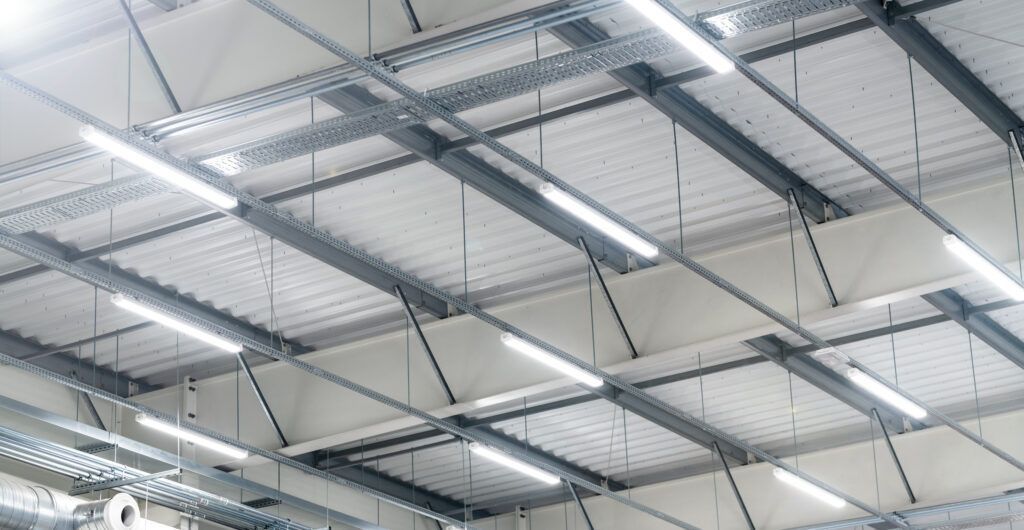
In commercial buildings still using outdated fluorescent lighting systems, an LED retrofit can have a significant and immediate impact on the bottom line: to the tune of around 60% savings on electrical costs related to energy consumption. LED lighting also generates far less heat than traditional lighting solutions, which helps reduce a building’s air conditioning expenditure. Also the fact that LEDs don’t generate much heat equates to a much longer lifespan, and by extension lower maintenance and replacement costs. And from an aesthetic perspective, LED lighting is crisper and cleaner, promoting a more energetic, productive employee workplace. This is just as true for LED warehouse lighting as it is for office-based LED lighting approaches.
Plant Shade Trees
If LED lighting is the high-tech approach to energy reduction, than planting shade trees is the all-natural option. By planting deciduous trees (trees that lose their leaves in fall and get them back in spring) on the south and east sides of a commercial building, you get the dual benefit of shade in the summer (which reduces the AC load) and sun in the winter (thus lowering your internal heating needs). And if you plant evergreen trees along the west and north sides of the building, you’ll gain additional shading in the summer and a wind-block during winter.
By effectively using trees to block solar radiation, a commercial building can feel 10 – 15 degrees cooler.
Install Motion-Sensitive Light Switches
Here’s another solution that fits into the retrofit lighting category, and one that’s just as appropriate for warehouse lighting and industrial lighting as it is for office lighting. At a quick turnaround and for a very affordable cost, swapping out a building’s traditional light switches with motion-sensitive dimmer switches ensures that the lights in a conference room or commercial space will only turn on when the space is occupied. These motion-sensitive solutions are also ideal for hallways and other areas where the lights don’t always need to be on.
Capitalize On Natural Sunlight
Returning to an au natural solution, timely usage of natural sunlight is a great way to reduce energy costs in a commercial building. Opening the blinds, Utilizing skylights, and introducing innovative window designs in optimum positions are all ways that a building can minimize it lighting needs during daytime hours. An easily installed daylight sensor promotes the concept of “daylight harvesting” – that is, the idea that when sufficient daylight is available, the sensor will dim or turn off lights as needed.
Choose Fluorescent Over Incandescent
For office lamps and other items that rely on a “one-bulb approach”, replace outdated, inefficient incandescent (filament) light bulbs with fluorescent bulbs. Fluorescent lasts five times longer and uses 75% less electricity than incandescent, making it a prime player in any effort to reduce commercial building energy costs.
We’re On The Lighting Industry’s Cutting Edge
A global change is underway in the lighting industry. Households are switching to more energy-efficient lighting solutions, and businesses are replacing inefficient industrial lighting fixtures with the latest eco-friendly, money-saving technology. Work with Starbeam Lighting and you’ll always be on the lighting industry’s cutting edge.
The post Five Ways To Reduce Energy Costs In Commercial Buildings appeared first on Starbeam Lighting.